
 US
US 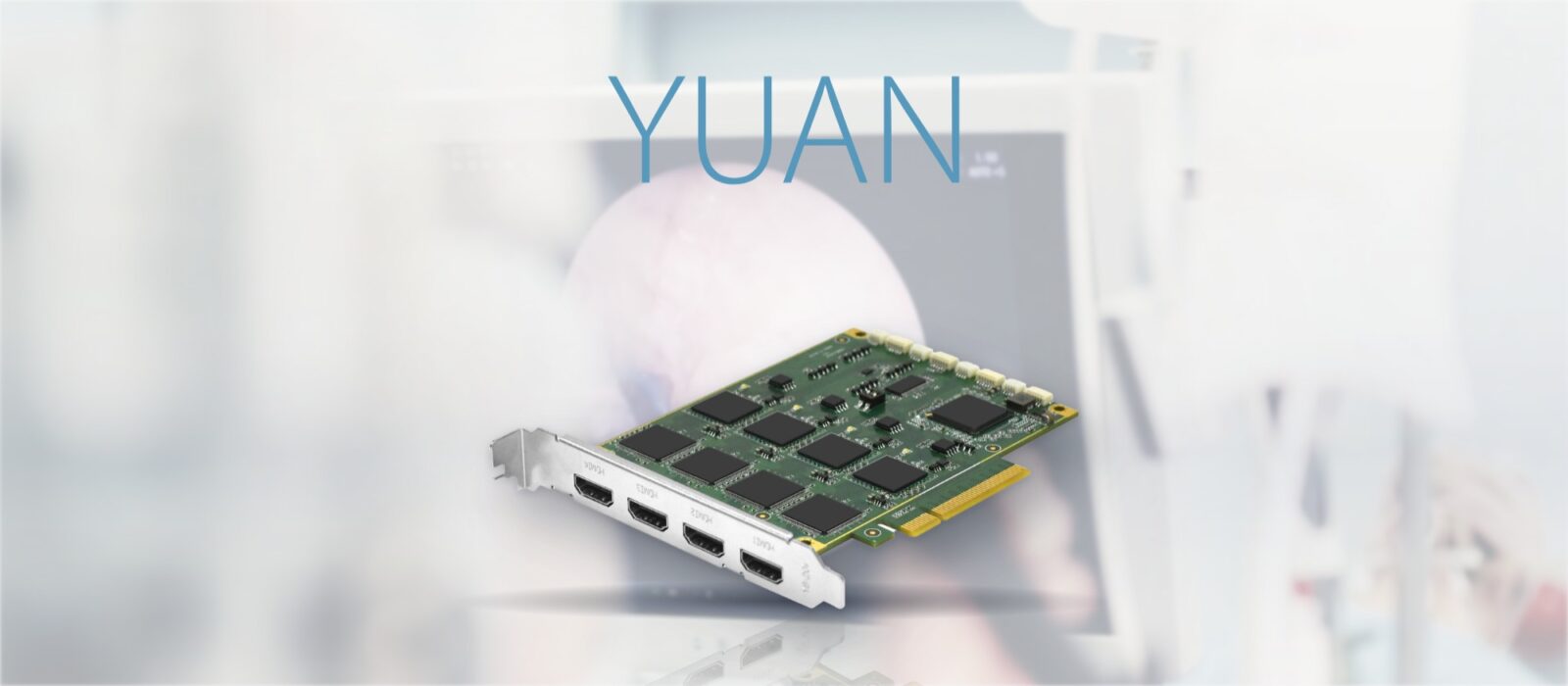
Equipping AI Medical Carts with Endoscopy Video Capture
A pioneering medical technology company, founded to improve diagnosis and prognosis for patients with colorectal and gastrointestinal diseases, asked us to support its work in endoscopy scoping and biopsy. Its software uses AI to analyze endoscopy video, and it needed hardware on the medical cart to capture that video, show it live and run the analysis.
Working with our technology partners in medical computing and video capture, we supplied an EN 60601-1 certified medical cart computer for use in patient treatment, with a capture card customized to the endoscopes the customer connects. It is the kind of system we supply for medical and pharmaceutical applications.
What the cart computer had to do
The computer sits on a cart beside the patient, so safety came first, followed by video.
-
01
EN 60601-1 certified
Certified to medical electrical safety standards, with a medical grade power supply.
-
02
Processing headroom
Support for 85 W Intel Core i9 processors to run many tasks at once.
-
03
HDMI and SDI inputs
Capture from the majority of endoscopy video outputs found in hospitals.
-
04
Expansion for capture
A PCIe x16 slot to integrate the chosen frame grabber.
-
05
Display output
HDMI out to the cart's medical monitor for live viewing.
-
06
Secure record keeping
Images stored and shared against patient records through the customer's web software.
From four HDMI inputs to a custom card
Medical staff need to connect the cart to whichever endoscopy system is in the room. To cover most of them, the first build combined two capture cards: four channels of HDMI input on a PCIe card, and a single SDI channel with hardware compression on an M.2 card.
SDI carries uncompressed video with low latency; our SDI capture guide explains why that matters when the video feeds an AI model.
Knowing our customer didn’t need all four HDMI channels the PCIe capture card offered, I recommended a custom solution: three HDMI and one SDI on a single PCIe card, without an additional riser. With component shortages and rising costs, it made sense economically and for delivery schedules.
What the custom capture card delivered
- 013× HDMI + 1× SDI
- All the inputs the customer needed on one PCIe card, freeing the M.2 slot and removing a riser.
- 021920×1080 at 30 fps
- Full HD capture from each endoscopy source for live viewing and analysis.
- 03Live on the cart monitor
- Images stream directly to the medical display while the procedure is under way.
- 04Stored against patient records
- The customer’s software stores endoscopic images securely and shares them via the web.
Medical AI capture today
Since this project, compact edge AI platforms have made it possible to put capture and AI inference in one small box. Yuan’s Pandora Health range pairs an NVIDIA Jetson Orin NX Super module, at up to 157 TOPS, with built-in HDMI, HDMI 2.0 or 3G-SDI capture and AV1 or H.265 encoding, suited to carts and procedure-room equipment where space and power are limited.
Yuan does not list medical certification for Pandora Health, so as with any cart, approval to IEC 60601-1 is assessed for the finished system, for example using a medical grade power supply and the right level of patient protection.
Yuan Pandora Health
Jetson Orin NX Super medical edge AI computers with HDMI, HDMI 2.0, SDI and four-channel SDI capture.
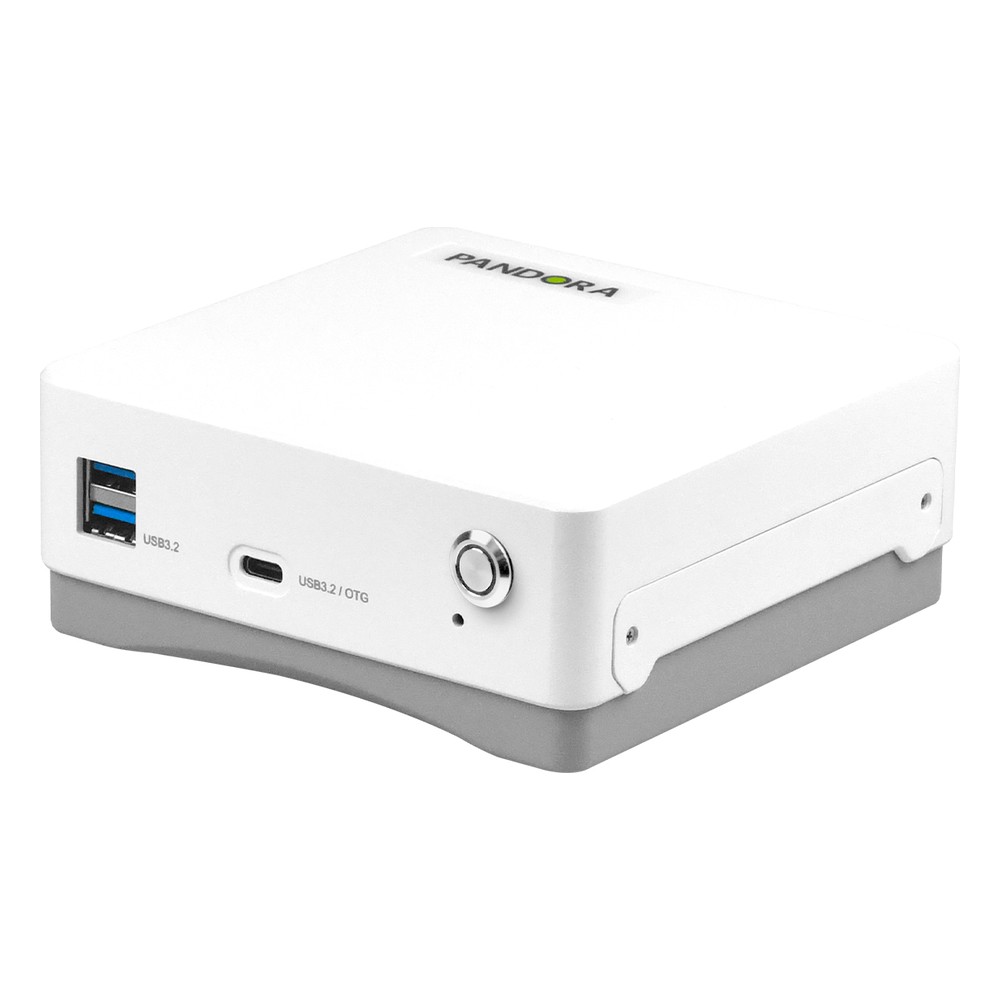
NVIDIA Jetson Orin NX Super Medical Edge AI Computer with HDMI and 3G-SDI Capture
- AI
- 70–100 TOPS
- SOM
- NVIDIA Jetson Orin NX 16 GB
- Ethernet
- 2× GbE
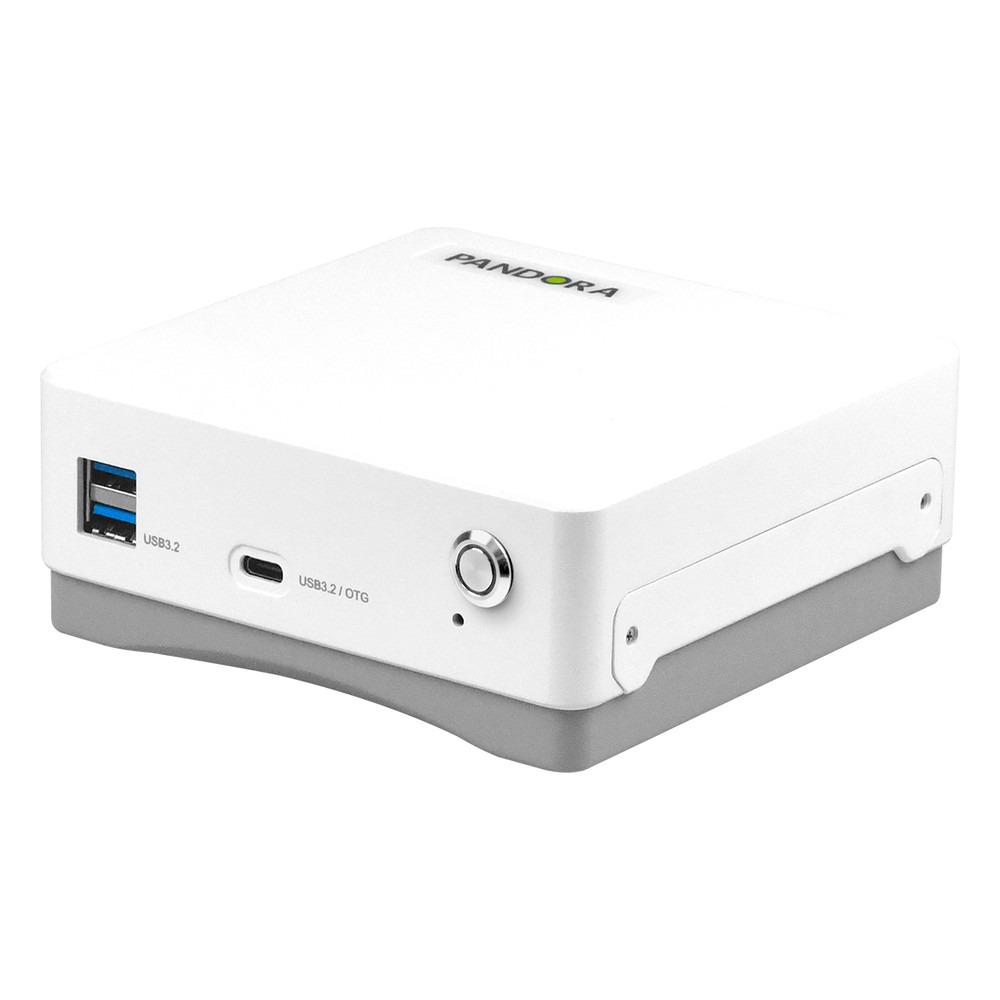
NVIDIA Jetson Orin NX Super Medical Edge AI Computer with HDMI 2.0 Capture and Loop-Out
- AI
- 70–100 TOPS
- SOM
- NVIDIA Jetson Orin NX 16 GB
- Ethernet
- 2× GbE
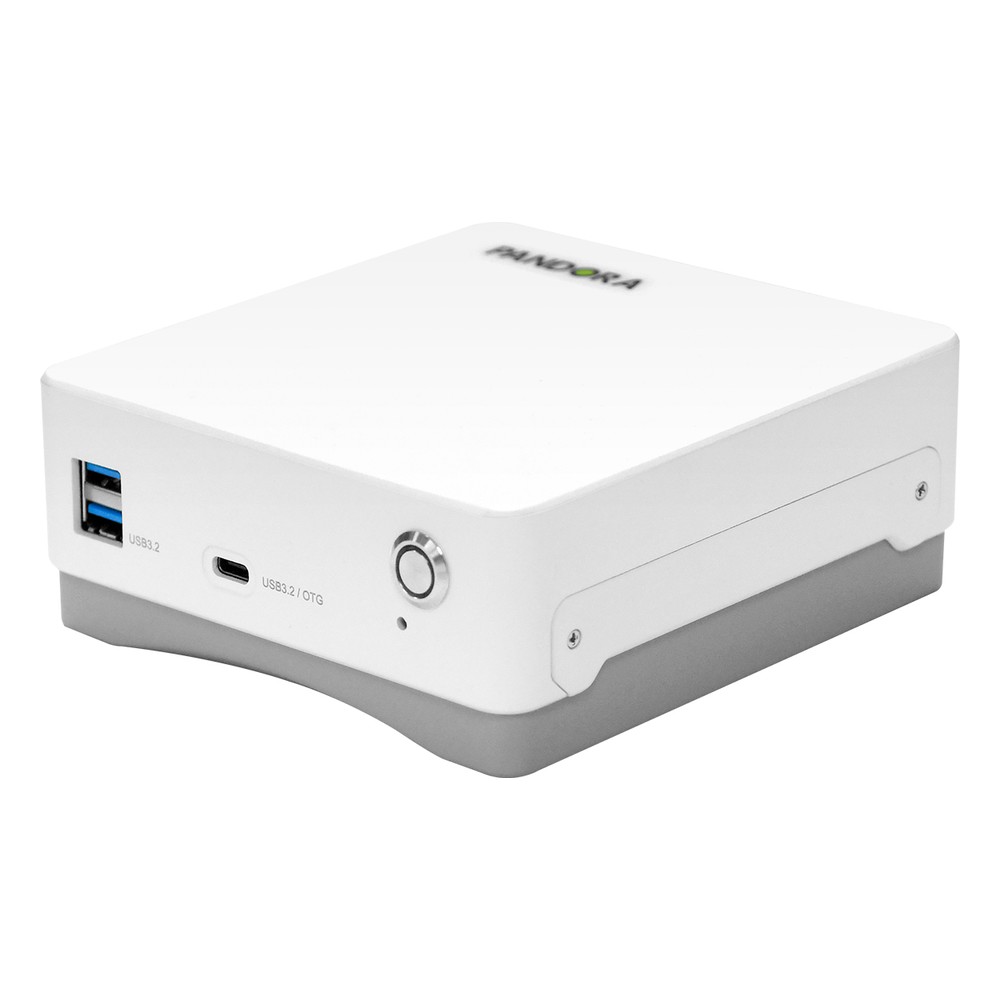
NVIDIA Jetson Orin NX Super Edge AI Box PC with SDI Capture and SDI Loop-Out
- AI
- 70–100 TOPS
- SOM
- NVIDIA Jetson Orin NX 16 GB
- Ethernet
- 2× GbE
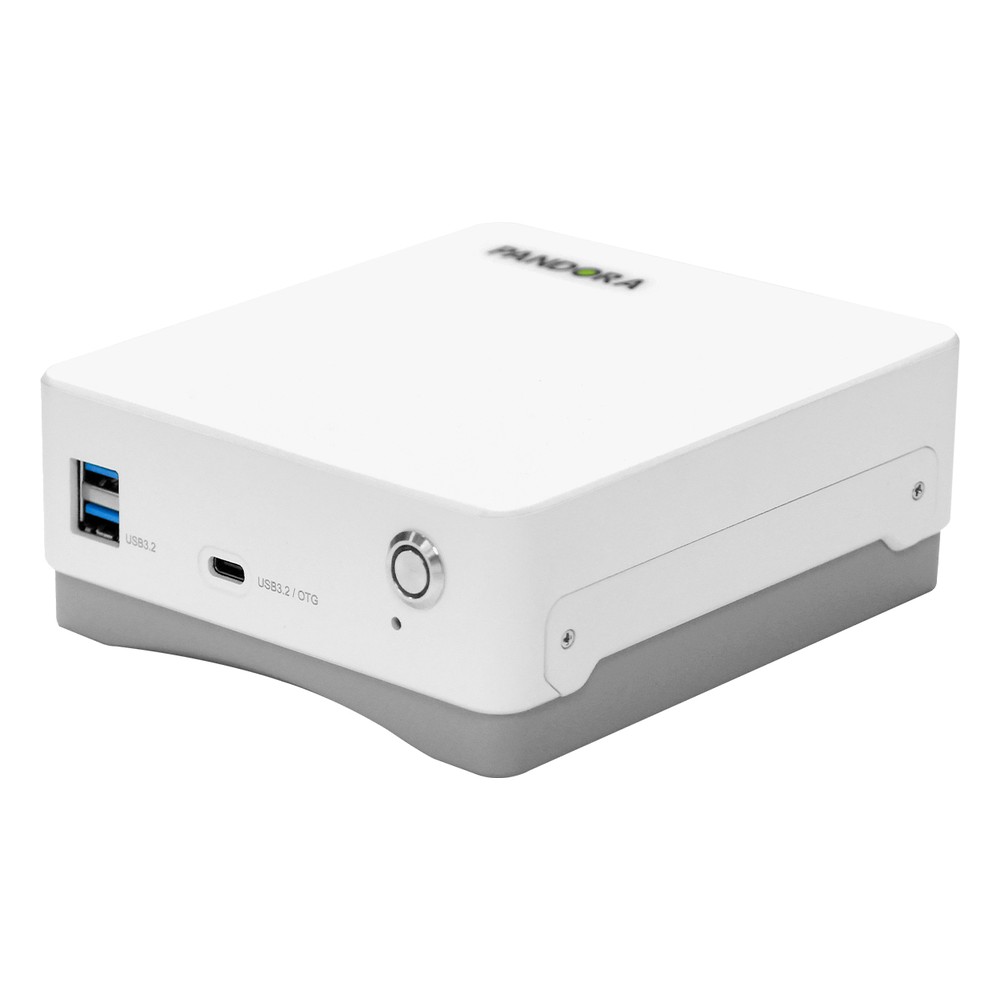
NVIDIA Jetson Orin NX Super Edge AI Computer with 4x SDI Video Capture Inputs
- AI
- 70–100 TOPS
- SOM
- NVIDIA Jetson Orin NX 16 GB
- Ethernet
- 2× GbE
What the project delivered
Certified hardware and a capture card built around the customer's actual inputs.
-
Outcome 01
Certified for patient treatment
EN 60601-1 hardware with a medical grade power supply on the cart.
-
Outcome 02
One card, every input
Three HDMI and one SDI on a single PCIe card, with no riser.
-
Outcome 03
Faster, lower-cost supply
The custom card suited delivery schedules and budgets during component shortages.
-
Outcome 04
Live and recorded video
Full HD endoscopy images shown live and stored securely against patient records.
Medical cart FAQs
-
What Is IEC 60601-1?
IEC 60601-1 is the international safety standard for medical electrical equipment. It sets requirements for basic safety and essential performance, covering protection against electric shock, leakage current, insulation, temperature, fire and mechanical hazards. EN 60601-1 is the European adoption of the same standard, and related parts such as IEC 60601-1-2 cover electromagnetic compatibility.
-
MOOP vs MOPP: What Is the Difference?
MOOP and MOPP are levels of electrical protection defined in IEC 60601-1. MOOP (means of operator protection) protects staff who use the equipment; MOPP (means of patient protection) protects patients and is stricter, with higher insulation test voltages and larger creepage distances. Equipment that may contact a patient typically needs 2 MOPP.
-
What Is a Medical Grade Power Supply?
A medical grade power supply is certified to IEC 60601-1 for use in medical electrical equipment. Compared with a standard IT power supply, it has much lower leakage current and stronger isolation between the mains and the output, typically rated at 2 MOPP, so it can be used safely in equipment that operates near or connects to patients.
-
What Is a Medical Cart?
A medical cart is a mobile workstation on castors that brings a computer, display and other equipment to the patient. Common types include computer workstations for records and medication, telemedicine carts with cameras for remote consultations, and endoscopy or imaging carts that capture, display and record video during procedures.
Building AI into a medical cart?
Tell us about your application and a member of our team will get right back to you.