
 UK
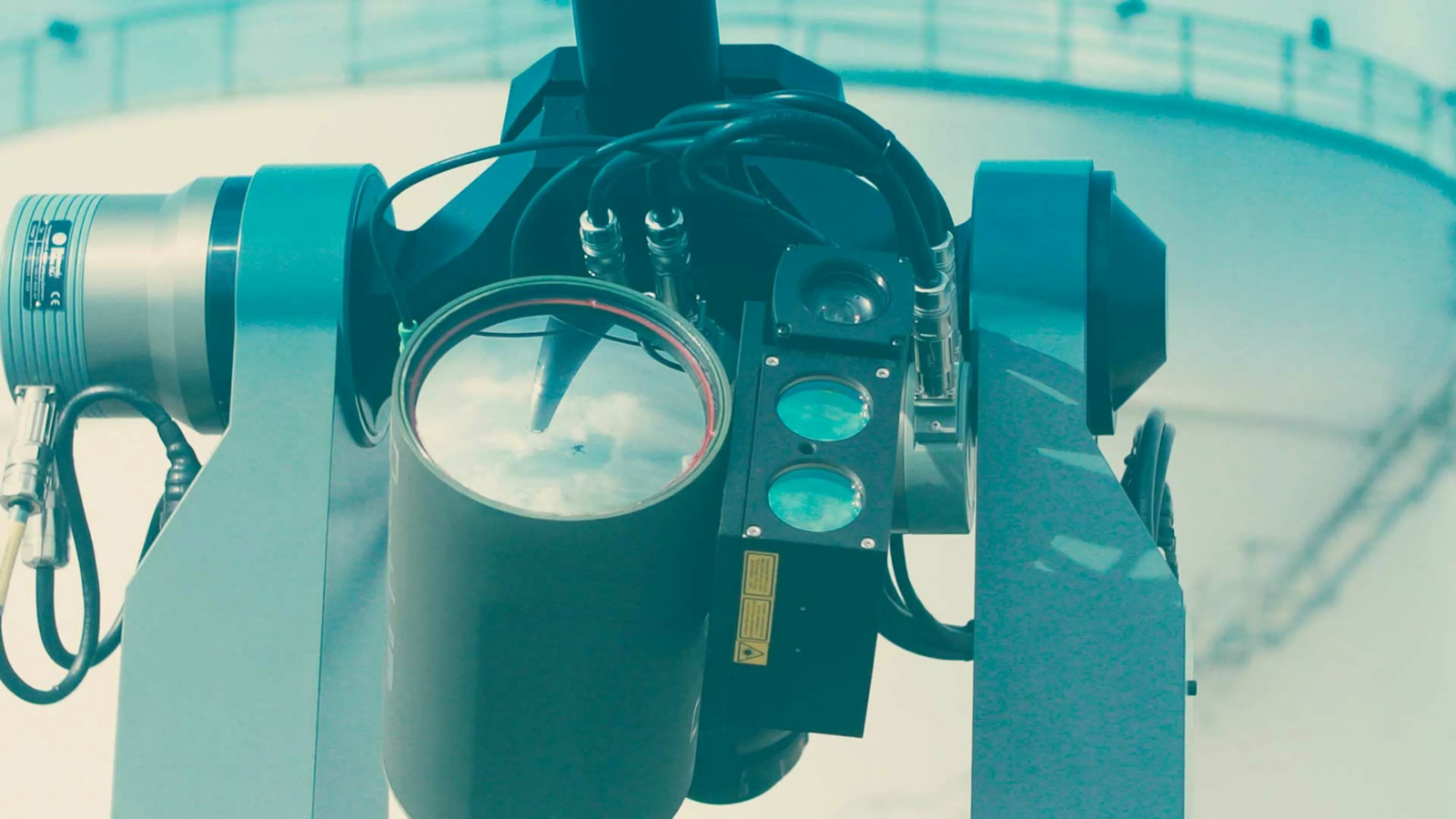
Compact AGX Xavier Board Capturing HDMI Inputs
A compact AGX Xavier carrier board with HDMI capture powers an all-in-one PTZ camera for counter-drone detection and tracking.
A technology company developing security and counter-terrorism solutions builds an all-in-one smart PTZ camera that autonomously detects and tracks drones. It protects people, VIPs, secure facilities and critical national infrastructure from the threat of commercially available drones, and the computer inside has to capture video, run AI detection and survive outdoor temperatures within the camera’s own enclosure.
Today that computer is a Jetson AGX Orin platform we configure and customise for them: Forecr’s DSBOARD‑AGX‑AB carrier with Yuan’s SC710N1 M2 HDMI2.0 capture card as standard, and, for wide-temperature projects, a custom carrier board we designed with components covering the full temperature range of the Jetson AGX Orin Industrial module. We also write the drivers for their software stack. It is the kind of system we build for surveillance and defence applications.
The platform today
The standard build: DSBOARD-AGX-AB with a Jetson AGX Orin 32 GB module and the SC710N1 M2 HDMI2.0 capture card.
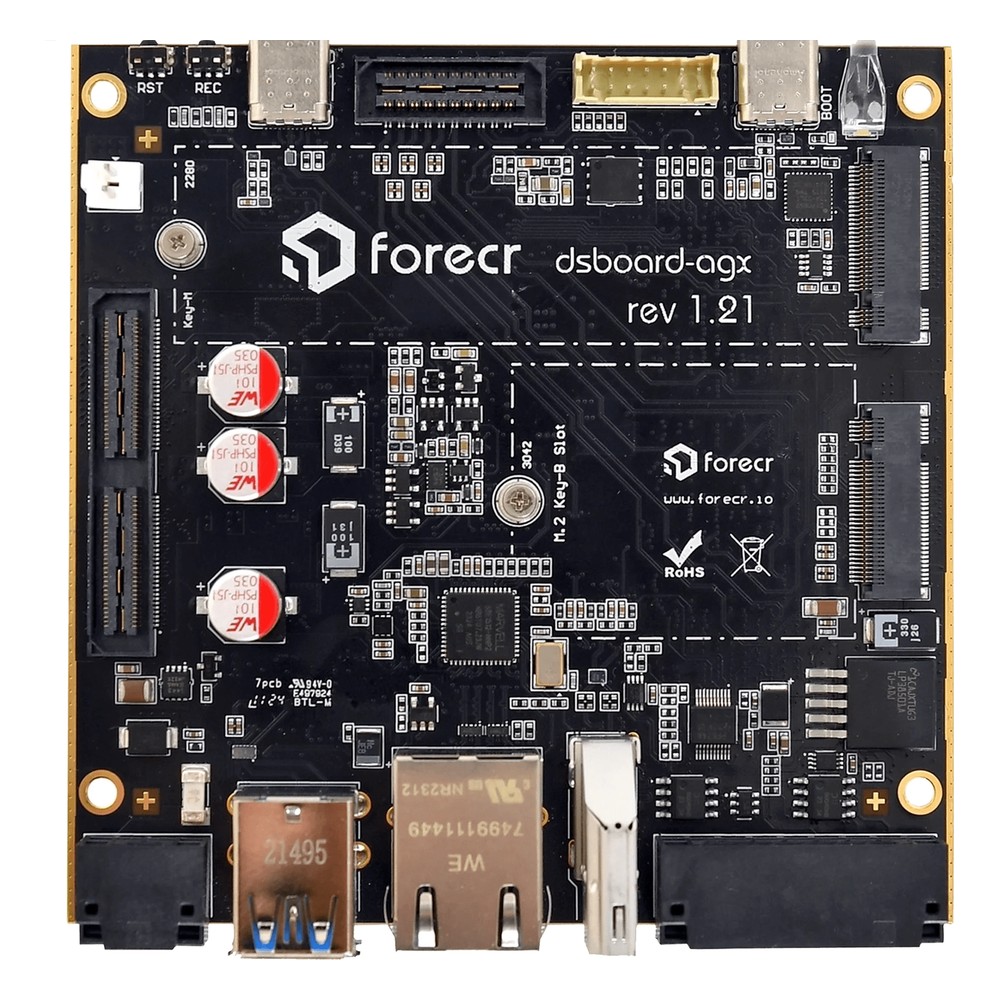
NVIDIA Jetson AGX Orin 32GB Industrial Carrier Board with Six-Camera MIPI CSI-2 and CAN Bus
- AI
- 200 TOPS
- SOM
- NVIDIA Jetson AGX Orin 32 GB
- Ethernet
- 1× GbE
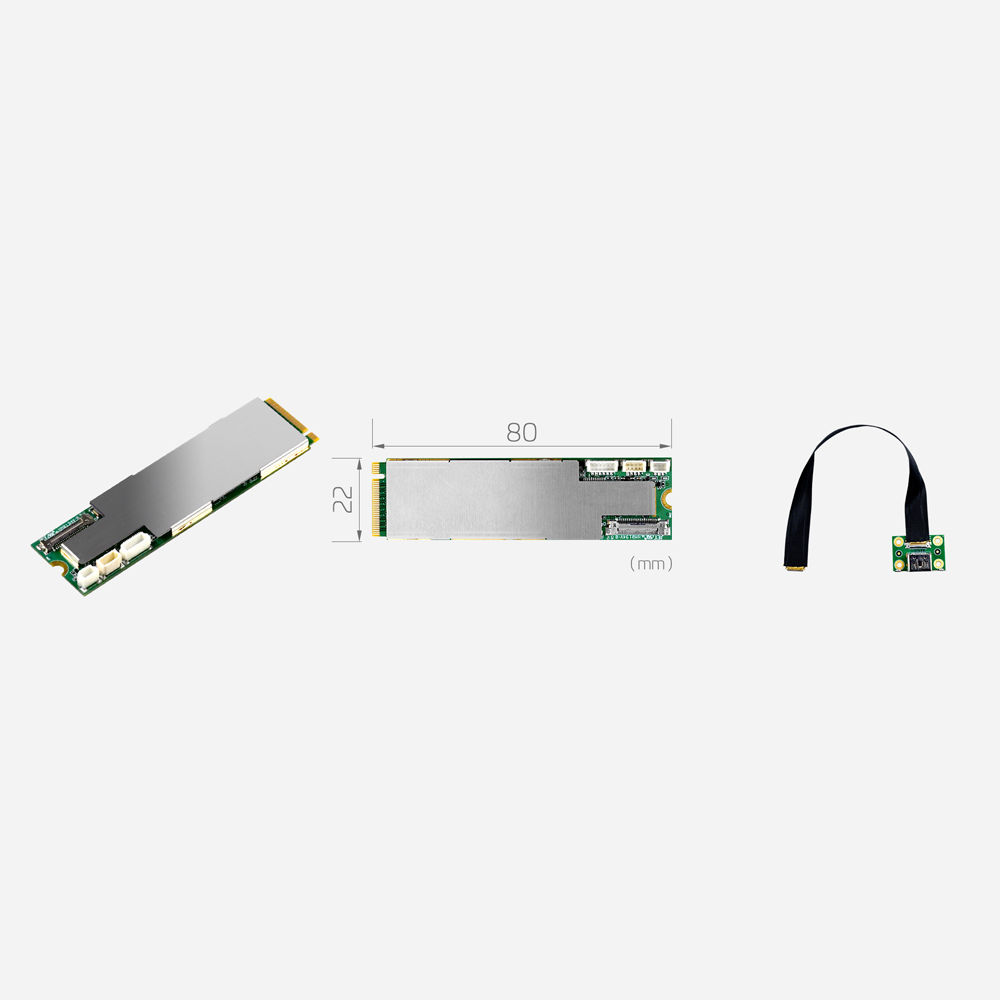
M.2 HDMI Capture Card with HDMI 2.0 Input at 4K60
- Inputs
- 1× HDMI2.0
- Max input
- 4K60 (4096×2160)
- Interface
- M.2 M-Key
Two builds, one design
| Specification | Standard build | Wide-temperature build |
|---|---|---|
| Carrier board | Forecr DSBOARD‑AGX‑AB | Custom carrier board with wide-temperature components covering the full temperature range of the AGX Orin Industrial |
| Module | Jetson AGX Orin 32 GB, 200 TOPS | Jetson AGX Orin Industrial 64 GB, 248 TOPS |
| Capture | Yuan SC710N1 M2 HDMI2.0: HDMI 2.0 up to 4K60, low latency | |
| Functionality | Standard carrier I/O | The same form, fit and function as the standard build, without adopting an alternative carrier board built for the AGX Orin Industrial |
| Software | Drivers for the current NVIDIA BSP, kept up to date with new JetPack releases | |
The carrier board sets the I/O, power input and footprint a Jetson module can offer, and our guide to choosing a Jetson carrier board explains how to match those to an enclosure.
How we customise the platform
The camera's design stays the same; we adapt the hardware and software inside it to each project.
-
Carrier
DSBOARD-AGX-ABFor standard deployments we configure Forecr’s DSBOARD-AGX-AB carrier with a Jetson AGX Orin 32 GB module, lifting AI performance to 200 TOPS.
-
Custom board
Wide temperatureFor wide-temperature projects we designed a custom carrier board with wide-temperature components covering the full temperature range of the Jetson AGX Orin Industrial 64 GB. It gave the customer the same form, fit and function as the standard build, without having to adopt an alternative carrier board built on the AGX Orin Industrial.
-
Capture
SC710N1 M2 HDMI2.0We integrate Yuan’s SC710N1 M2 HDMI2.0 in the carrier’s M.2 slot, taking the camera’s HDMI 2.0 output at up to 4K60 with lower latency.
-
Drivers
Current BSPWe create drivers for the current NVIDIA board support package in the customer’s software stack, so the carrier and capture card work with the release they build on.
-
Migrate
Latest NVIDIA releasesWe help the customer move to the latest JetPack and BSP versions as NVIDIA releases them, keeping the platform current.
What the latest platform delivers
Moving to AGX Orin and adding a custom carrier lifted what the camera can do without changing its design.
-
Outcome 01
More AI performance
From 32 TOPS on Jetson AGX Xavier to 200 TOPS on AGX Orin 32 GB, for faster detection and tracking.
-
Outcome 02
Lower capture latency
The SC710N1 M2 HDMI2.0 takes HDMI 2.0 at up to 4K60 with lower latency than the original card.
-
Outcome 03
Wide-temperature option
A custom carrier with wide-temperature components runs the AGX Orin Industrial 64 GB across its full temperature range, in the same form, fit and function.
-
Outcome 04
Current software
Drivers for the current BSP and support moving to new NVIDIA releases.
What the drone detection system protects
Autonomous optical detection and tracking gives security teams early warning of drones over sensitive sites.

People and VIPs
Detecting and tracking drones near public figures, events and protected individuals.

Secure facilities
Perimeter awareness against drones over secure sites and facilities.

Critical national infrastructure
Early warning of drones over critical national infrastructure.
All-weather operation
A sealed PTZ camera that keeps detecting through seasonal temperature swings.
Where it started
The first version of the camera ran on Forecr’s DSBOARD‑XV2 with a Jetson AGX Xavier module and Yuan’s SC400N2 dual HDMI capture card. Moving to AGX Orin raised AI performance from 32 TOPS to 200 TOPS and cut capture latency, without changing the camera’s design.
Drone detection FAQs
-
What Is a PTZ Camera?
A PTZ (pan-tilt-zoom) camera has motors that turn it left and right, tilt it up and down and zoom its lens, so one camera can cover a wide area and close in on detail. PTZ cameras are used in surveillance, security and broadcast, and can follow targets automatically when paired with AI.
-
What Is a Board Support Package (BSP)?
A board support package (BSP) is the low-level software that lets an operating system run on a particular board: the bootloader, kernel, device drivers and hardware description such as the device tree. For NVIDIA Jetson, the BSP is Jetson Linux, delivered as part of JetPack, and custom carrier boards need it adapted to their hardware.
-
HDMI 2.0 vs HDMI 1.4: What Is the Difference?
HDMI 2.0 raises the maximum bandwidth from 10.2 Gbps on HDMI 1.4 to 18 Gbps, which allows 4K video at 60 frames per second instead of 30. For video capture and AI on camera feeds, that means smoother 4K and more detail per second for the model to work with.
-
What Replaced the NVIDIA Jetson Xavier?
The NVIDIA Jetson Orin family replaced the Xavier generation. The Xavier NX maps to the Orin NX and the AGX Xavier to the AGX Orin, with a large jump in AI performance per watt and the same JetPack software stack. With Xavier now end-of-life and its last-time-buy closed, Orin is the migration path.
-
What Is an EO/IR Camera?
An EO/IR camera combines electro-optical (visible light) and infrared (thermal) imaging in one stabilised payload, so an operator can see by day and at night. EO/IR gimbals are standard on ISR drones, patrol aircraft, border security and maritime systems, and their video increasingly feeds onboard AI computers for detection and tracking.
-
What Does ISR Mean in the Military?
In the military, ISR stands for intelligence, surveillance and reconnaissance: the collection, processing and analysis of information about an area or target to support decisions. It is carried out by satellites, aircraft, drones, ships and ground sensors, and increasingly processed on board with AI so that commanders get an accurate picture faster.
-
What Is the Difference Between a Jetson Module and a Developer Kit?
An NVIDIA Jetson developer kit is a reference carrier board with a module fitted, meant for evaluation and prototyping. A production system uses the production module on a carrier board designed for your I/O, environment and lifecycle. The silicon and software are the same; the kit is not what you deploy.
Building AI into a camera or sensor head?
Tell us your camera inputs, latency, and ruggedisation needs and we will spec a Jetson carrier-board platform to match.