
 UK
// Industries
EN 50155 Computers for Rolling Stock and Wayside
Where Rail Computing Is Deployed
Rail operators and integrators use industrial computers in four main places: onboard control, passenger services, condition monitoring and the wayside. Each has its own environment, certification and connectivity needs, so the right form factor differs from one to the next.

Train Control and Communication Networks
The Train Communication Network links the train control and management system to brakes, doors, traction and diagnostics across every carriage. EN 50155 computers, rugged Ethernet switches and secure routers run these functions from a 24 to 110 V DC supply, with M12 connectors and fanless cooling so they keep operating through shock, vibration and temperature swings over a service life measured in decades.
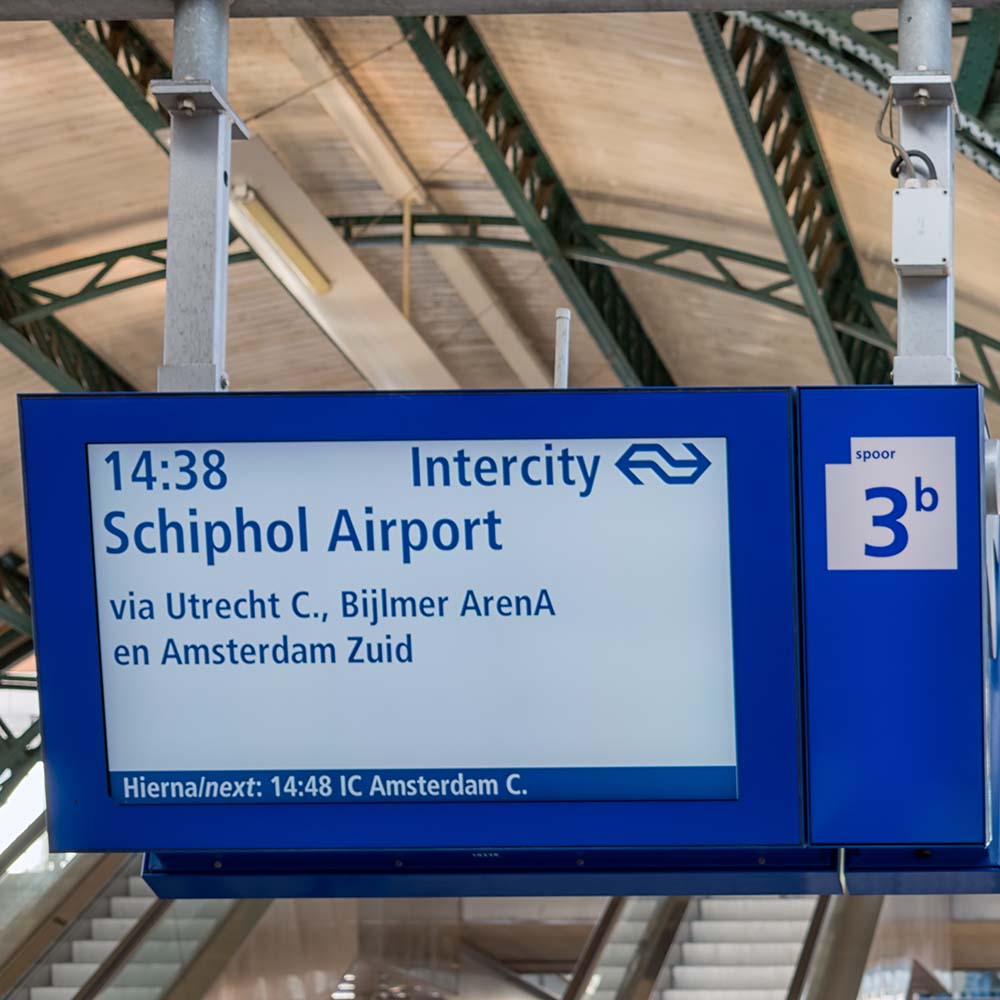
Passenger Information, Wi-Fi and Onboard Media
Passengers expect live journey information and a working connection. Onboard gateways with LTE and 5G modems, Wi-Fi access points and railway-grade displays deliver passenger information, entertainment and captive portals, while keeping passenger traffic segmented from operational networks. Sunlight-readable, vandal-resistant panel PCs suit saloon and platform installations.
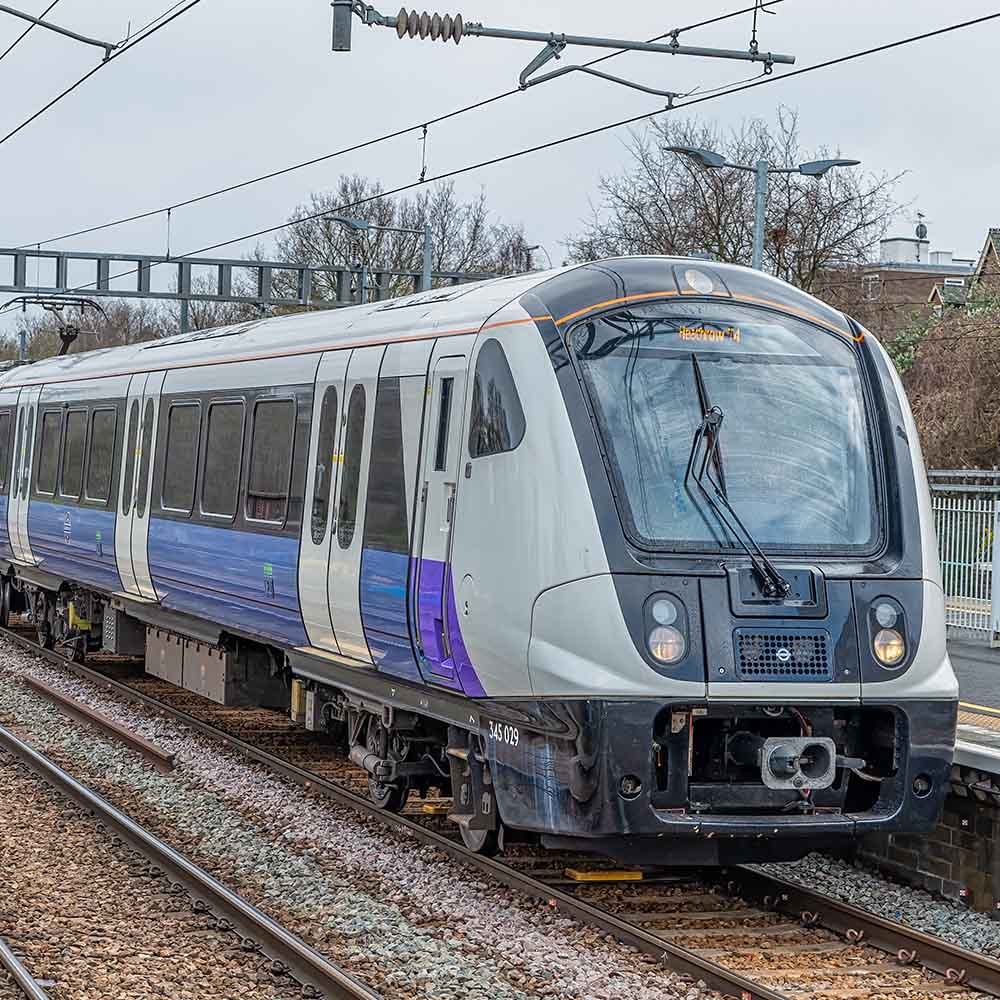
Condition Monitoring and Track Inspection
Sensors on bogies, pantographs and track inspection vehicles generate data that is best processed at the edge. GPU-accelerated rail computers running NVIDIA Jetson or discrete GPUs handle vision inference from cameras and LiDAR in real time, so faults are flagged as they are found rather than after the data is offloaded, which can reduce inspection time and unplanned downtime.

Signalling, Level Crossings and Trackside Monitoring
Wayside cabinets house computers for signalling interfaces, level-crossing monitoring, points heating control and CCTV. These sites are often unmanned and exposed, so DIN-rail and fanless box PCs with wide temperature ranges, EN 50121-4 EMC design and cellular backhaul are typical, with remote management to reduce site visits.
Built to the Standards Rail Demands
Rail hardware is specified against a small set of standards that cover the environment inside and around a train. We select products whose datasheets state compliance with each one, and say so where a product is designed to a standard rather than certified against it.
Rail-Ready Hardware
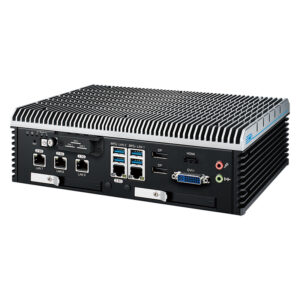
Rail Computers
EN 50155 box PCs, rackmount and edge AI systems for rolling stock and wayside.
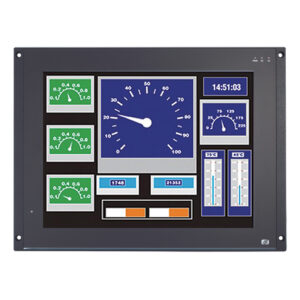
Rail Panel PCs
EN 50155 touchscreen panel PCs for driver desks and crew terminals.
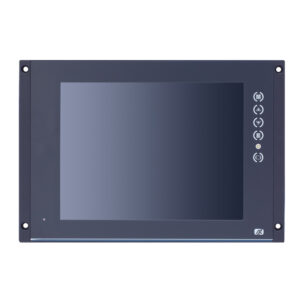
Railway Monitors
EN 50155 touchscreen and passenger information monitors.
Ranges in Rail Computers
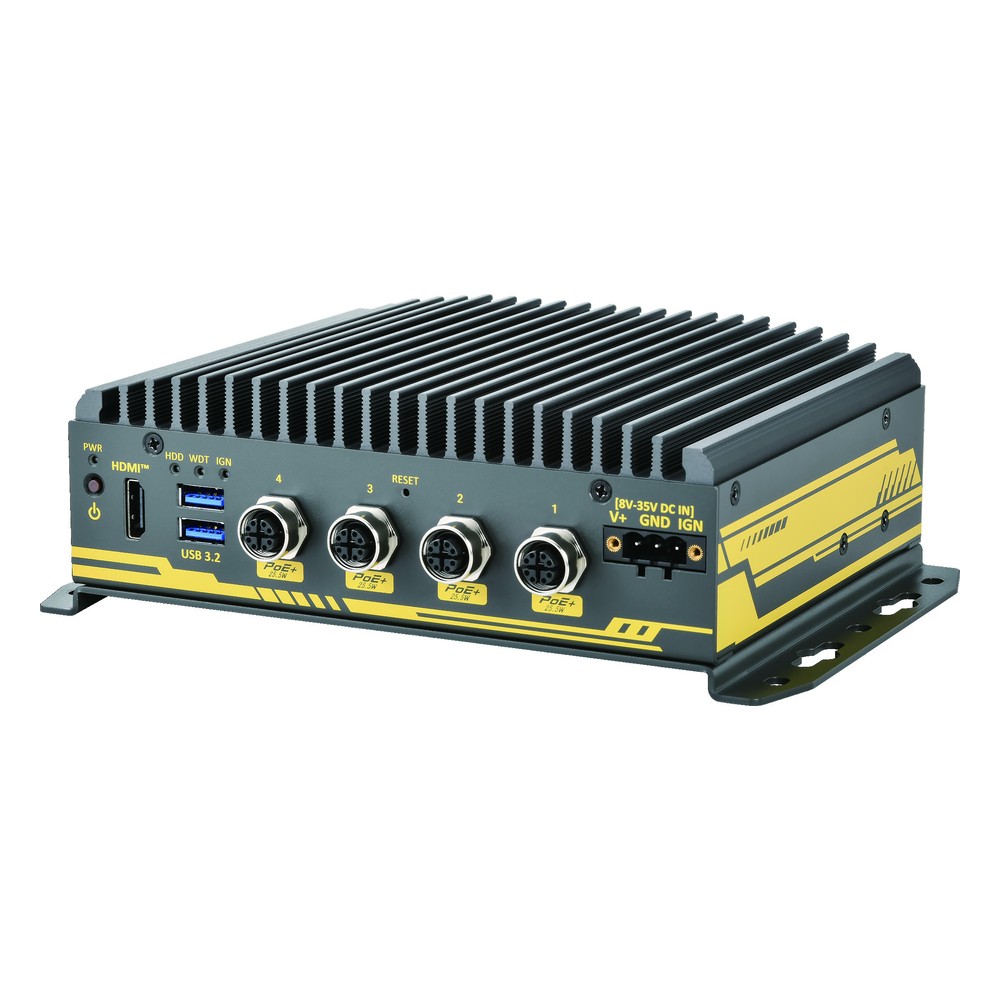
Nuvo VTC In-Vehicle and Rail Computers
Fanless Intel Core computers with ignition-aware wide-range DC input, M12 connectors and PoE+ camera ports, designed for onboard duty. On rolling stock they suit TCMS interfaces, passenger Wi-Fi gateways and CCTV recording, with EN 50155 and IEC 61373 designs and cassette expansion for capture or GPU cards.
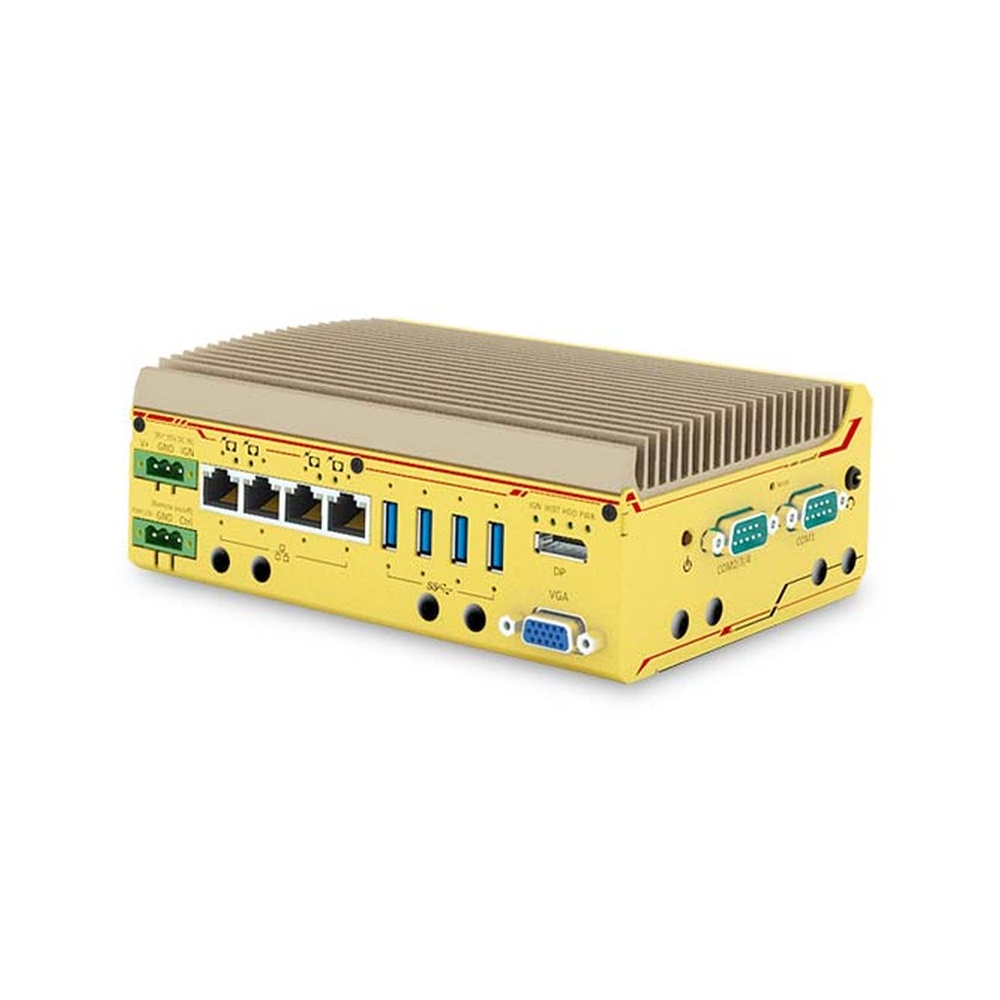
POC VTC Compact In-Vehicle Computers
Palm-sized fanless computers on Intel Core i3-N305 and Atom, with PoE+ ports and ignition control in a housing that fits behind a panel. A good fit for telemetry, driver-facing displays and camera capture where cabinet space is limited.
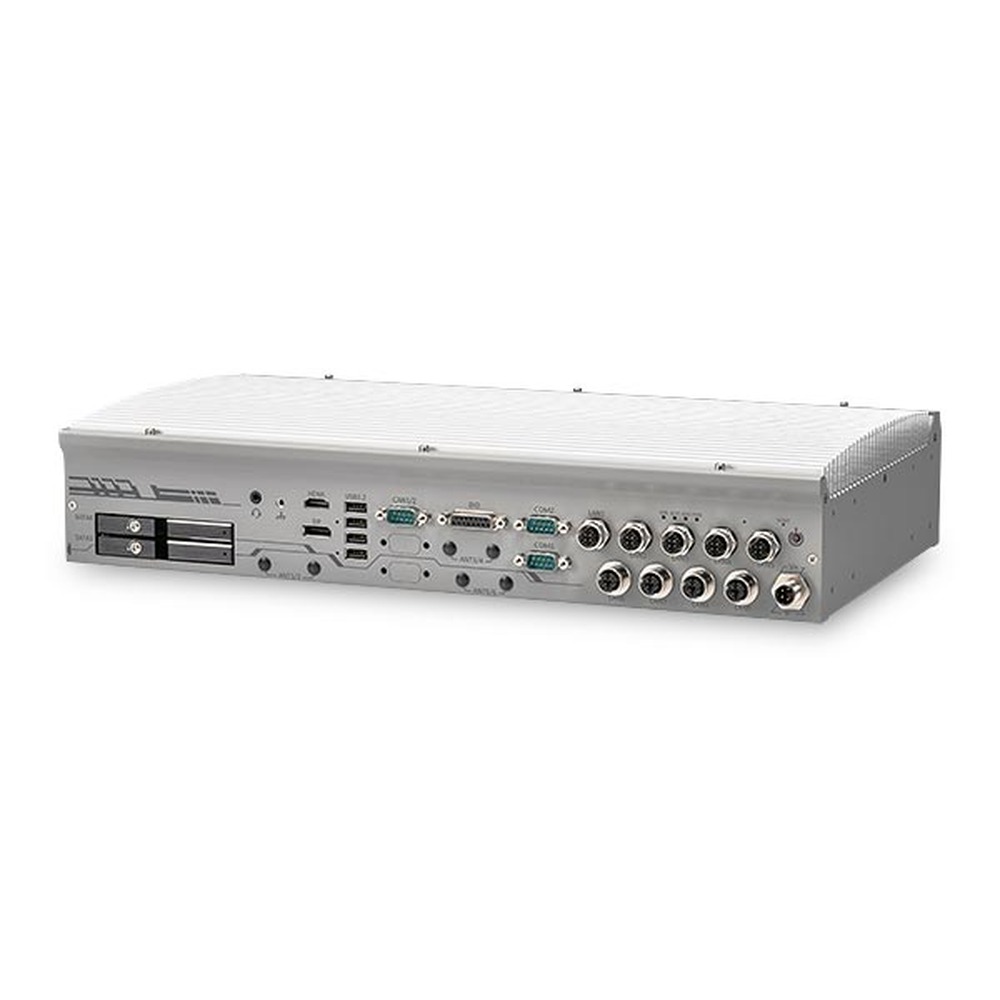
GT Rackmount GPU Computers
19-inch rackmount computers designed to EN 50155 requirements, with 12th to 14th Gen Core, an RTX 2000 Ada GPU option and 110 V DC input for equipment cabinets on rolling stock. Suits onboard video analytics and condition monitoring that needs GPU inference at the train rather than in the depot.
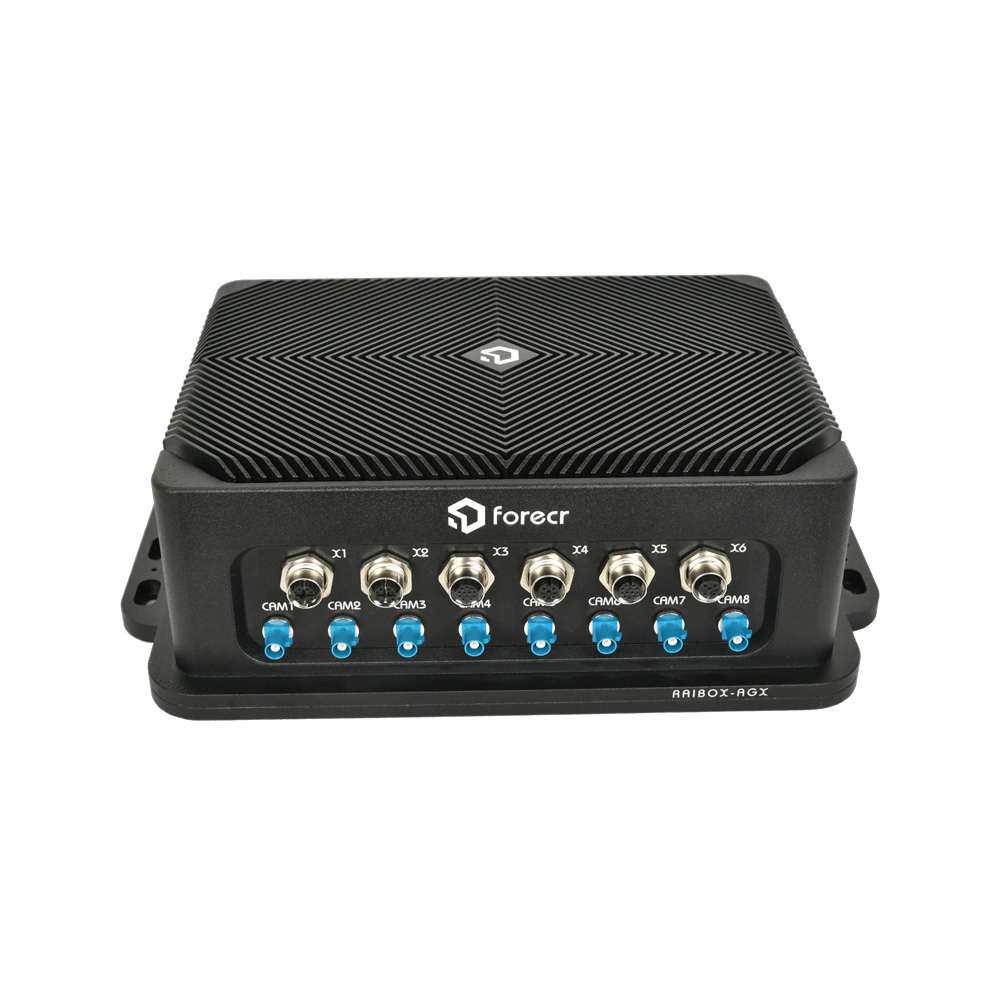
RAIBOX Railway Edge AI Computers
NVIDIA Jetson AGX Orin and Orin NX edge AI computers built for railway environments, with M12 connectors, wide-range DC input and fanless cooling. Suits onboard vision, track inspection and predictive maintenance where camera and LiDAR data are processed on the vehicle.
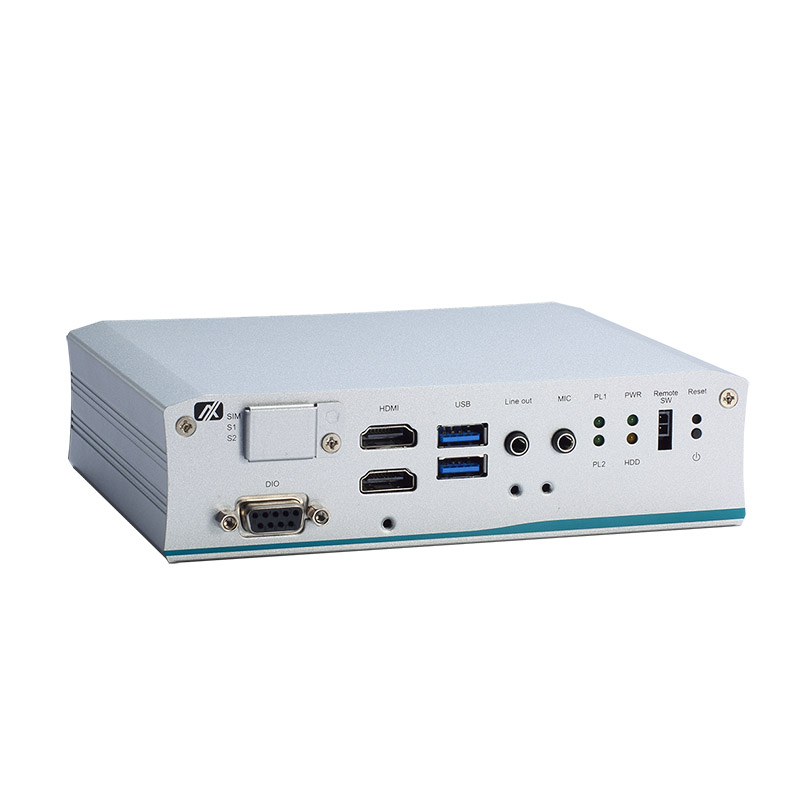
tBOX Railway Box PCs
Compact fanless transportation computers on Intel Atom and 12th Gen Core, designed to EN 50155 and EN 45545-2 requirements, with M12 LAN, PoE, serial and CAN added through VAM expansion modules. Suits onboard gateways, passenger information controllers and small edge recorders.
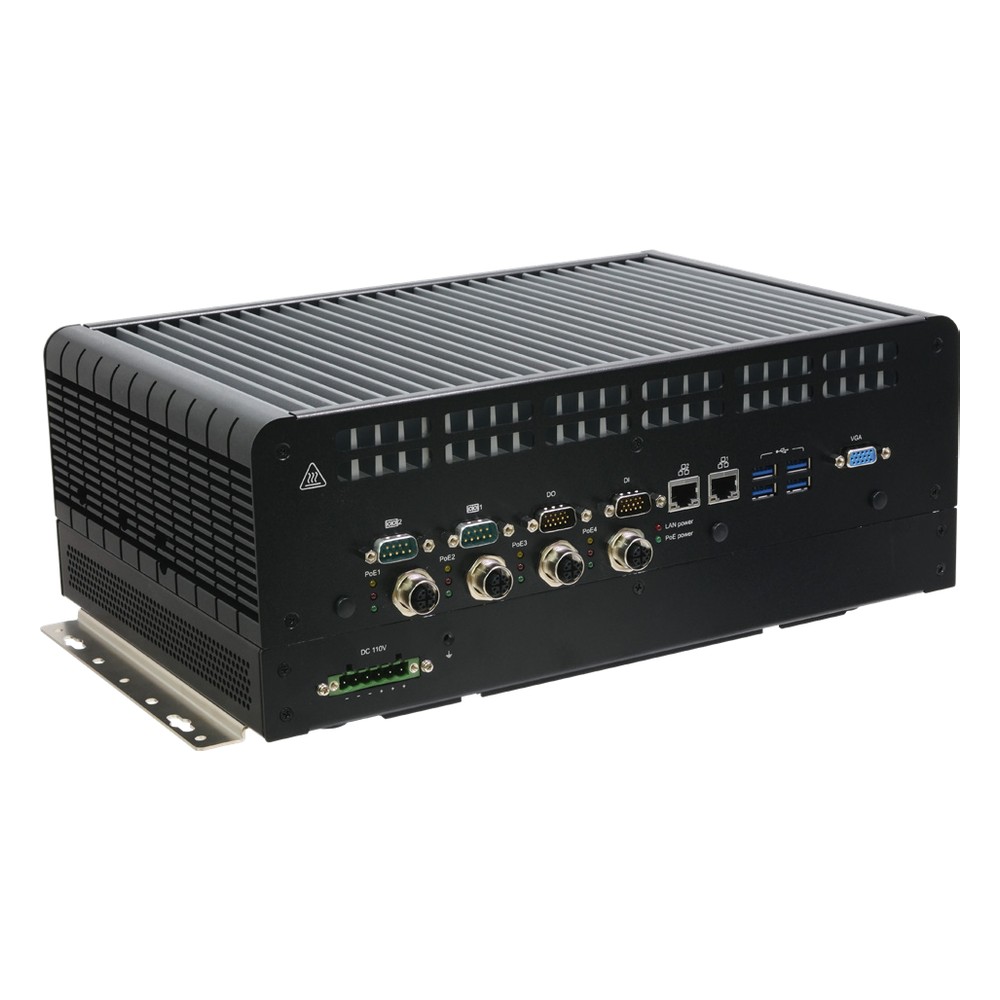
RC300 Railway Computers
Fanless Intel Core embedded system designed to EN 50155 requirements, with wide-range DC input for rail supplies, M12 I/O and PoE ports. A compact choice for TCMS gateways, event recording and wayside cabinets.
Browse the full category, or tell us the application and we will recommend the right model.
Ranges in Rail Panel PCs
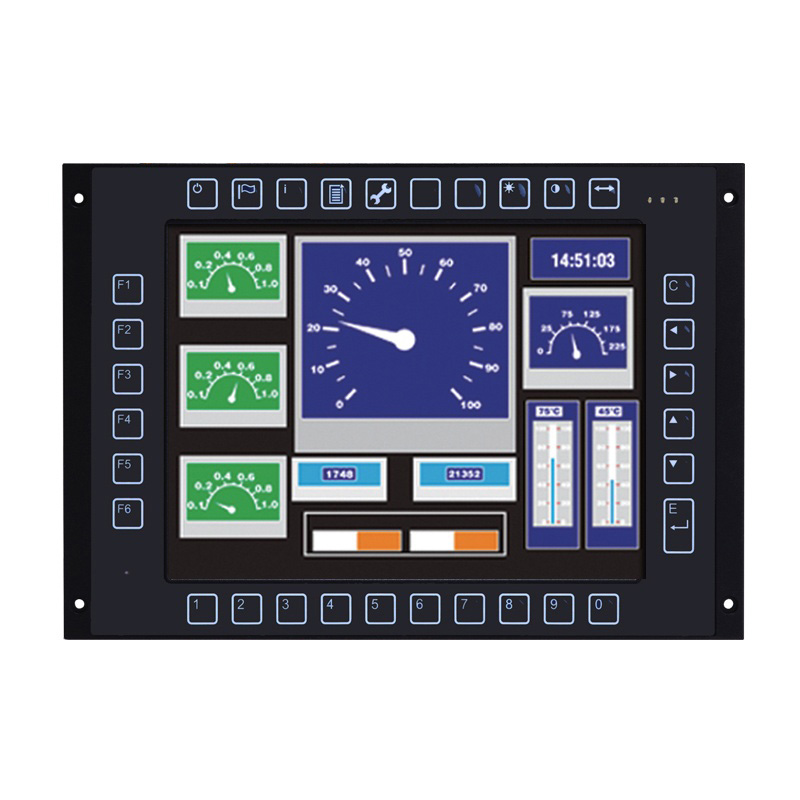
GOT Railway Panel PCs
10.4 to 15-inch fanless touchscreen panel PCs designed to EN 50155 requirements, with sunlight-readable options and wide temperature operation. Suits driver desks, crew terminals and saloon displays where the screen and computer share one sealed unit.
Browse the full category, or tell us the application and we will recommend the right model.
Ranges in Railway Monitors

P7 Railway Monitors
10.4 to 18.5-inch railway touchscreen and open-frame monitors with wide temperature operation and vibration-resistant construction. Suits passenger information displays, driver desks and integration behind a bezel where a separate computer drives the screen.
Browse the full category, or tell us the application and we will recommend the right model.
Rail Case Studies and Guides
Recent rail projects we have delivered and our guide to the standards behind them.
An Extension of Your Engineering Team
Our engineers work as part of your team, not as a reseller. We check the I/O, power and thermal fit against your vehicle or cabinet before you commit to a build.
Built, Imaged and Ready to Deploy
Modules, memory, storage and cards are fitted and the OS image loaded before shipping, so each unit is tested as a complete build and ready to work on the day it arrives.
Supported for the Life of the Project
Repeatable builds, revision control and last-time-buy planning keep later units matching the first across a fleet programme that can run for a decade or more.



Speak to a Rail Computing Specialist.
Tell us where the system will be installed, the standards it must meet and the interfaces you need to connect. We will recommend the right form factor, then configure, image and test it before it ships.