
 UK
Workstation GPUs
Workstation GPUs for AI, Design and Visualisation
A workstation GPU brings ECC memory, certified drivers and long availability to engineering, visualisation and AI work, in a professional graphics card that cools itself with a blower or flow-through fan. The range covers current Blackwell cards alongside the Ada and Ampere generations that many qualified systems still use.
Options include low-profile cards for compact PCs, single and dual-slot full-height cards, up to four DisplayPort outputs and memory from 4 GB to 96 GB, suited to CAD, simulation, medical imaging, machine vision and local AI models.
Speak to a workstation GPU specialist to match memory, power and slot space to your system.


Browse Our Workstation Graphics Cards
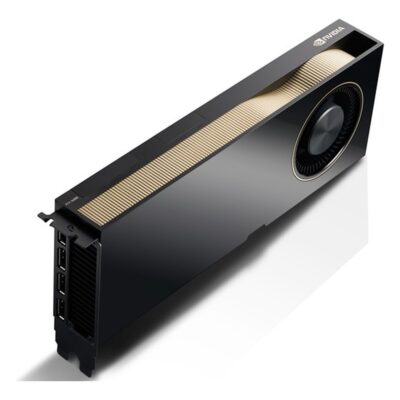
- GPU / AI Accelerator: Discrete GPU (PCIe)
- GPU: NVIDIA RTX A6000
- AI Performance: 310 TOPS
- Display Outputs: 4x Display Ports
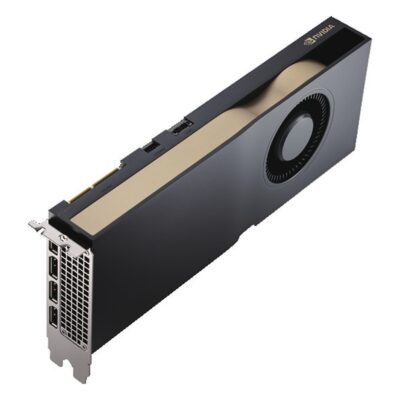
- GPU / AI Accelerator: Discrete GPU (PCIe)
- GPU: NVIDIA RTX A5000
- AI Performance: 222 TOPS
- Display Outputs: 4x Display Ports
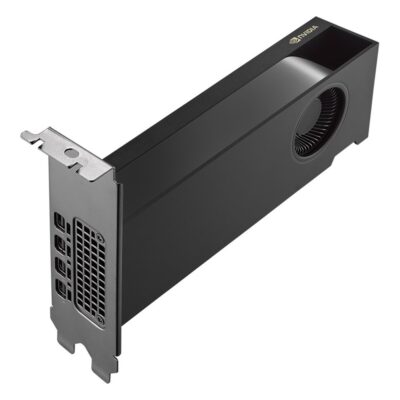
- GPU / AI Accelerator: Discrete GPU (PCIe)
- GPU: NVIDIA RTX A2000 12GB
- AI Performance: 64 TOPS
- Display Outputs: 4x Mini Display Port
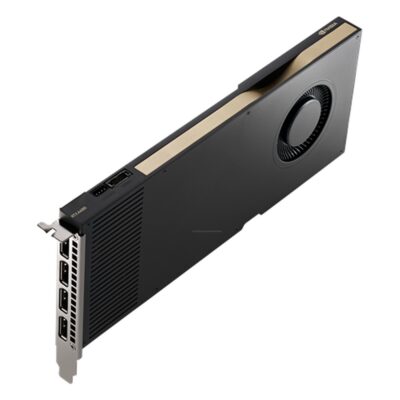
- GPU / AI Accelerator: Discrete GPU (PCIe)
- GPU: NVIDIA RTX A4000
- AI Performance: 153 TOPS
- Display Outputs: 4x Display Ports
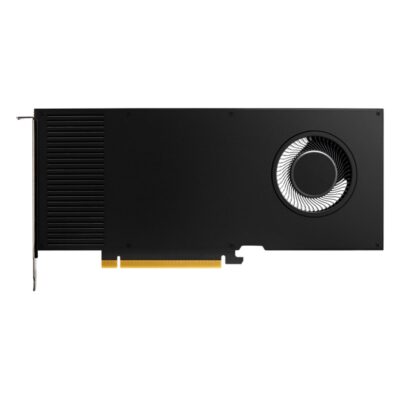
- GPU / AI Accelerator: Discrete GPU (PCIe)
- GPU: NVIDIA RTX A4000
- AI Performance: 153 TOPS
- Display Outputs: 4x Display Ports
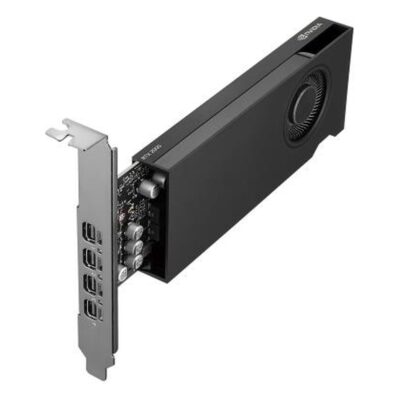
- GPU / AI Accelerator: Discrete GPU (PCIe)
- GPU: NVIDIA RTX 2000E Ada
- AI Performance: 142 TOPS
- Display Outputs: 4x Mini Display Port
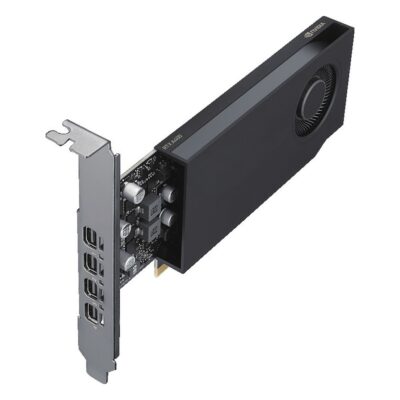
- GPU / AI Accelerator: Discrete GPU (PCIe)
- GPU: NVIDIA RTX A400
- AI Performance: 43 TOPS
- Display Outputs: 4x Mini Display Port
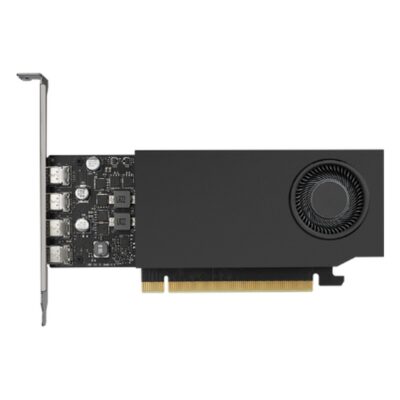
- GPU / AI Accelerator: Discrete GPU (PCIe)
- GPU: NVIDIA RTX A1000
- AI Performance: 54 TOPS
- Display Outputs: 4x Mini Display Port
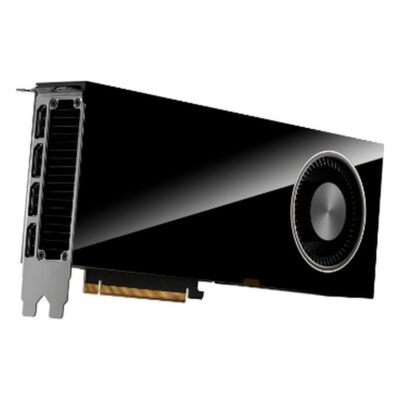
- GPU / AI Accelerator: Discrete GPU (PCIe)
- GPU: NVIDIA RTX 6000 Ada
- AI Performance: 1,457 TOPS
- Display Outputs: 4x Display Ports
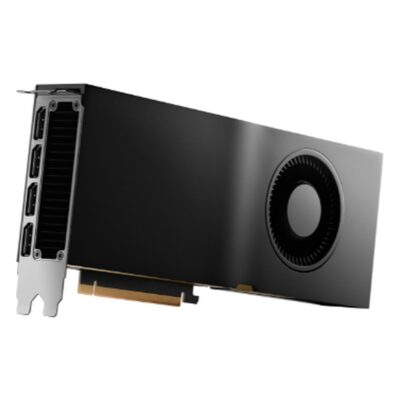
- GPU / AI Accelerator: Discrete GPU (PCIe)
- GPU: NVIDIA RTX 5000 Ada
- AI Performance: 1044 TOPS
- Display Outputs: 4x Display Ports
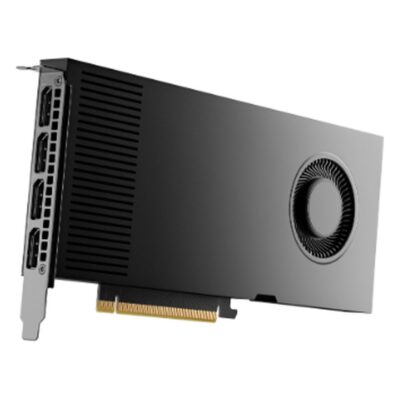
- GPU / AI Accelerator: Discrete GPU (PCIe)
- GPU: NVIDIA RTX 4000 Ada
- AI Performance: 428 TOPS
- Display Outputs: 4x Display Ports
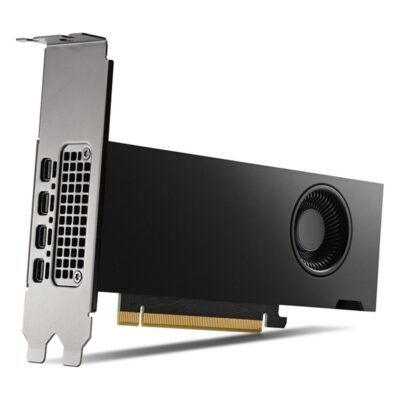
- GPU / AI Accelerator: Discrete GPU (PCIe)
- GPU: NVIDIA RTX 4000 SFF Ada
- AI Performance: 307 TOPS
- Display Outputs: 4x Mini Display Port
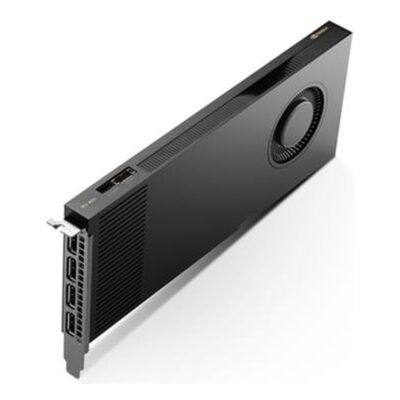
- GPU / AI Accelerator: Discrete GPU (PCIe)
- GPU: NVIDIA RTX 4000 Ada
- AI Performance: 428 TOPS
- Display Outputs: 4x Display Ports
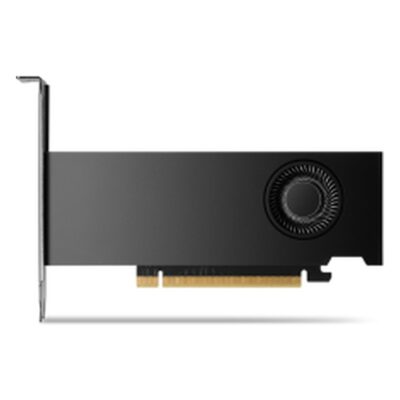
- GPU / AI Accelerator: Discrete GPU (PCIe)
- GPU: NVIDIA RTX 2000 Ada
- AI Performance: 192 TOPS
- Display Outputs: 4x Mini Display Port
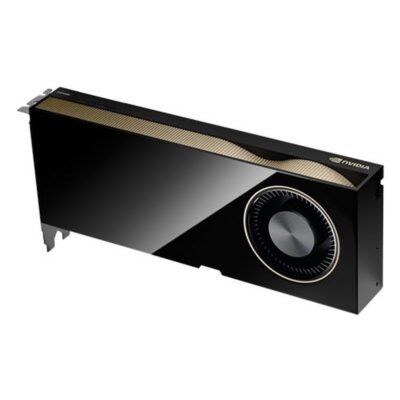
- GPU / AI Accelerator: Discrete GPU (PCIe)
- GPU: NVIDIA RTX 6000 Ada
- AI Performance: 1,457 TOPS
- Display Outputs: 4x Display Ports
Beyond Workstation GPUs: GPU Cards
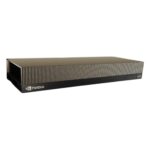
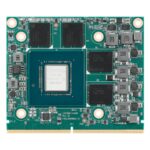
Workstation GPU Ranges Configured by Things Embedded
We work with the leading manufacturers of professional graphics cards, so the ranges below are the ones we specify for workstations, industrial PCs and edge AI systems. Compare them by generation, memory and power, then browse the cards above or ask a workstation GPU specialist.
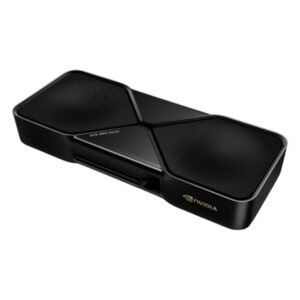
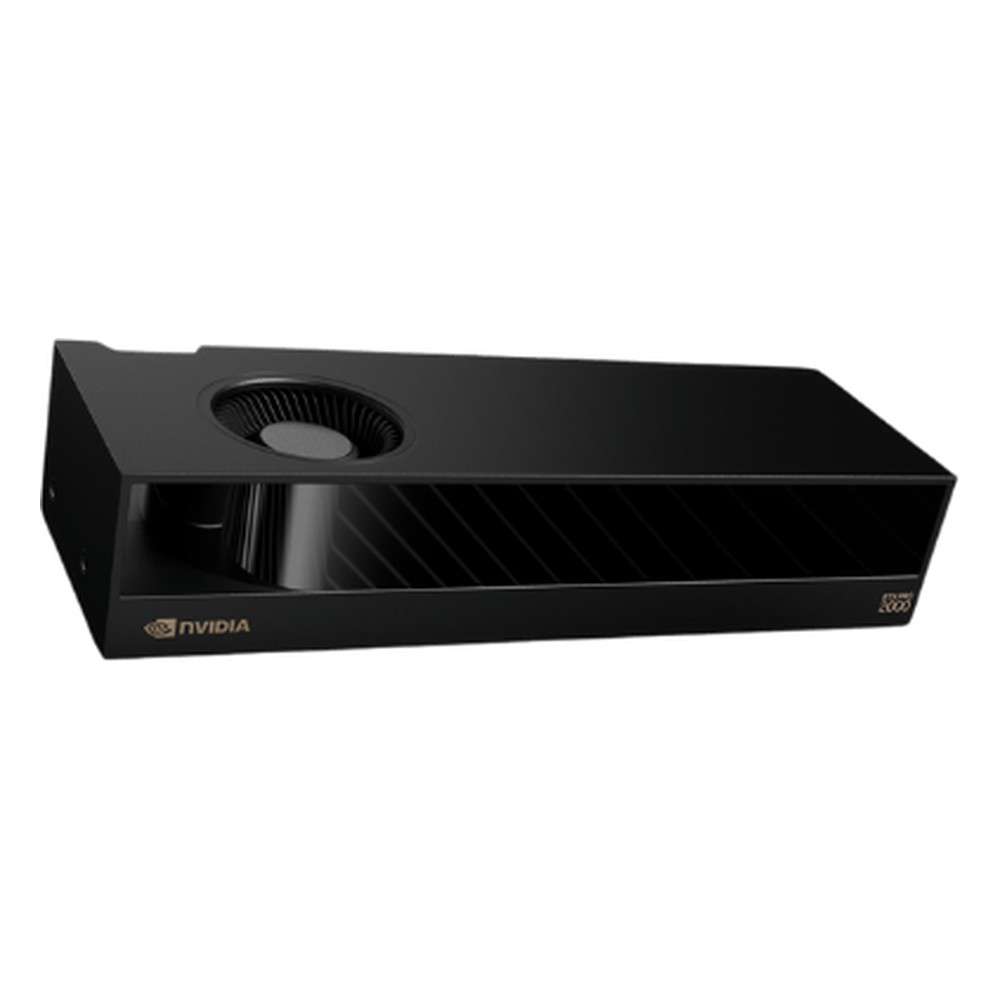
RTX PRO Blackwell Graphics Cards
GDDR7 cards from the 70 W low-profile RTX PRO 2000 to the 96 GB RTX PRO 6000, with DisplayPort 2.1 and PCIe 5.0.
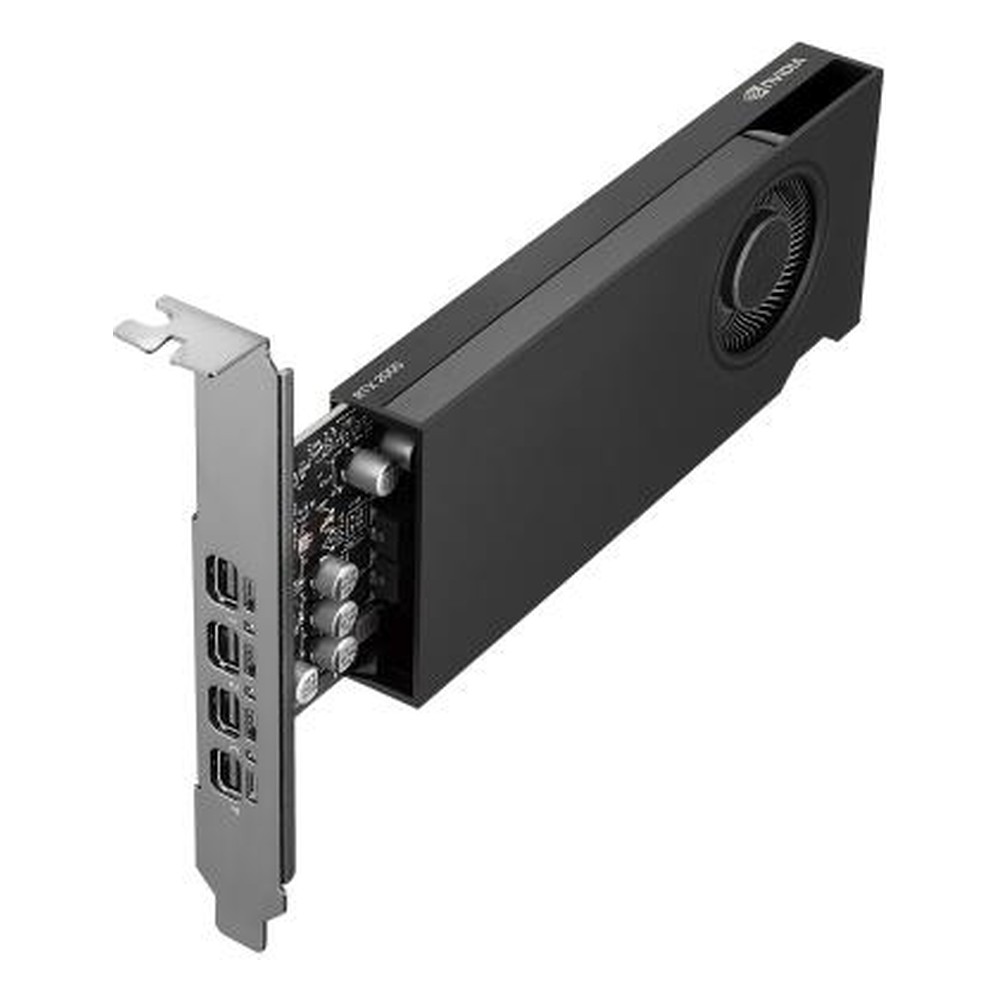
RTX Ada Generation GPUs
GDDR6 ECC cards from the 50 W RTX 2000E Ada to the 48 GB RTX 6000 Ada, with four DisplayPort 1.4a outputs.
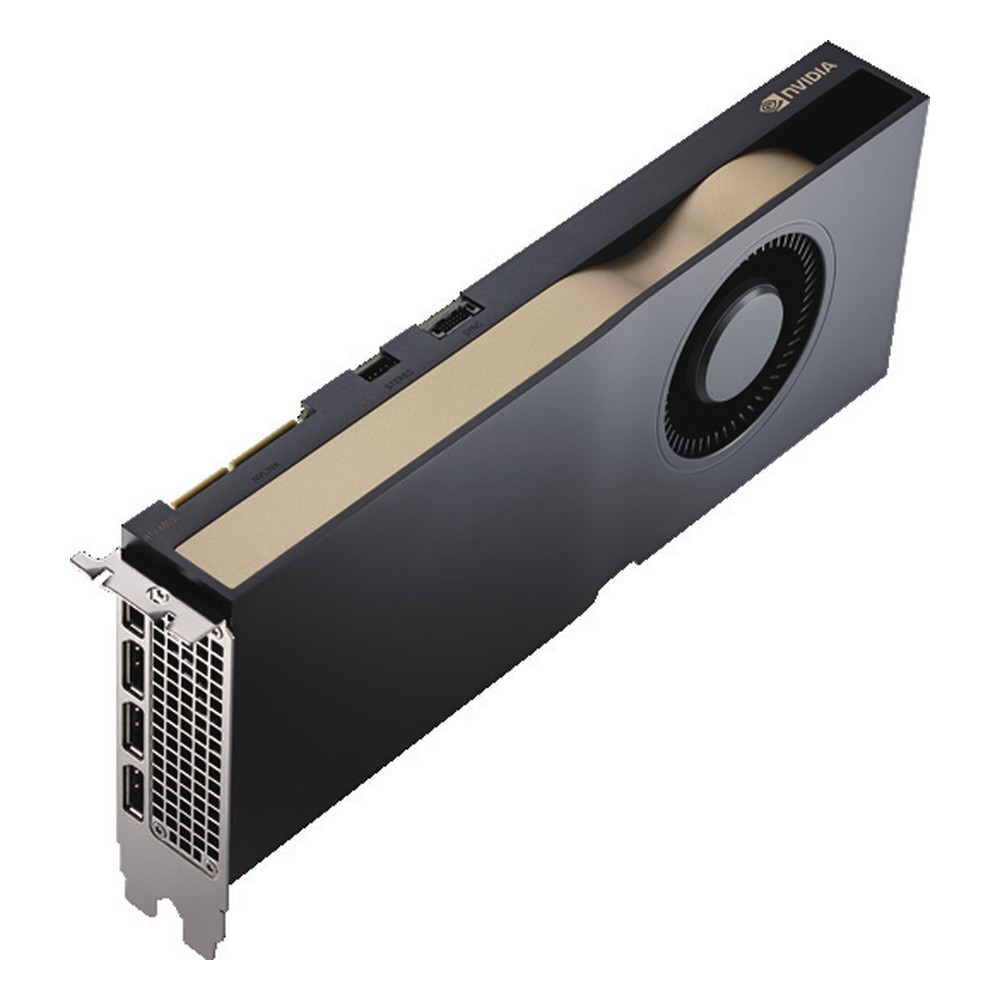
RTX Ampere Workstation Cards
Low-profile and full-height Ampere cards, from the slot-powered RTX A400 to the 48 GB RTX A6000, for qualified designs.
Not sure which range fits? Tell us the application and we will recommend the right model.
What to Specify in a Professional GPU
Our GPU specialists specify every card against the host chassis, its power supply and the applications it will run. These are the choices we work through with you before recommending a card.

Memory Size
Large assemblies, high-resolution datasets and local AI models need 32 GB or more; display work runs in far less.
Slot Width and Height
Low-profile and single-slot cards fit compact PCs; dual-slot cards need two slots of clearance in a full-height chassis.
Power Connector
Cards at 70 W or below run from the slot; larger cards need a 16-pin connector, with an adapter cable supplied.

Displays
Four DisplayPort or Mini DisplayPort outputs drive multi-screen control rooms and 8K displays.
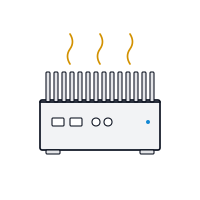
Cooling
Blower cards exhaust heat out of the bracket, which suits enclosed industrial chassis and multi-GPU builds.
Generation and Lifecycle
Blackwell brings the newest Tensor cores; Ada and Ampere cards keep qualified designs running unchanged.
Workstation GPU Innovation & Visualisation Insights
Speak to a Workstation GPU Specialist.
Tell us the applications, the host system and the displays you need to drive. We will recommend the right card, then fit, configure and burn-in test it in the system before it ships.