
 UK
UK Edge AI Hardware Built for Inference Beside the Sensor
Edge AI hardware that runs vision and sensor models on machines, vehicles, production lines and camera networks, right beside the sensors that feed them. We match the NVIDIA Jetson, GPU or NPU computer to the model and the installation, then build, image and support it for the life of the project.
TOPS stands for tera operations per second: the number of trillion simple operations an AI processor can perform each second. It is the headline figure used to compare AI accelerators such as NVIDIA Jetson modules and NPUs. It is usually quoted for 8-bit integer (INT8) maths, and sometimes with sparsity, which doubles the figure. It is a starting point for sizing, not a guarantee: memory, the camera pipeline and the model itself decide the frame rate you get. What Does TOPS Mean in AI?
What edge AI hardware needs beside the sensor
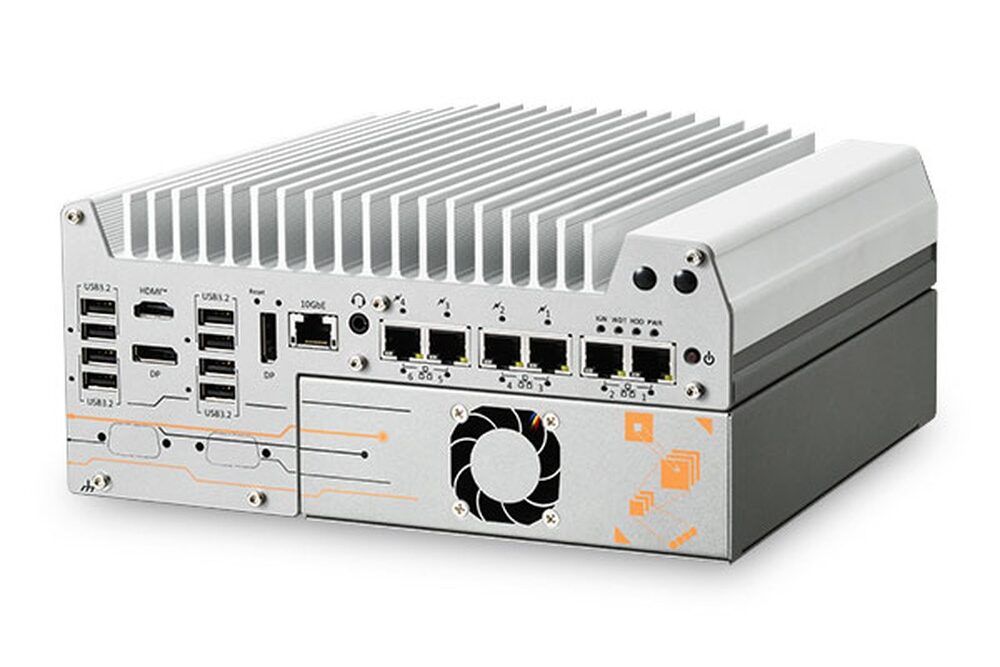
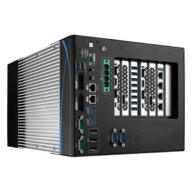
An edge AI computer is defined by the model it runs, the cameras it takes in and the power it lives on. We size the AI processor for the model first, then match cameras, networking, power and mounting to the installation. Here is how that looks on a GPU computer built for edge inference.
NVIDIA RTX GPU up to 150 W
A PCIe x16 Gen4 slot in the expansion Cassette takes a dual-slot NVIDIA RTX GPU up to 150 W, including Blackwell cards, with its own cooling fan.
Five 2.5GbE ports with PoE+
Five Intel 2.5GbE ports and one GbE port use screw-lock connectors, with optional PoE+ on four of them within a 100 W budget, so cameras take power and data over one cable.
Optional 10GbE
An optional 10GBASE-T port carries high-bandwidth camera streams or a link to a local server.
Eight USB 3.2 ports
Eight USB 3.2 Gen2 ports suit multi-camera USB3 vision setups, beside HDMI and two DisplayPort outputs.
Intel Core Ultra with an NPU
Intel Core Ultra 200S processors at 35 W or 65 W, cooled through the finned lid, add an integrated NPU for light inference alongside the GPU.
8–48 V DC, −25 °C to 60 °C
Power is 8 V to 48 V DC on a 20 A terminal block for battery-powered robots. The system runs from −25 °C to 60 °C with a 35 W CPU and a 150 W GPU, and is tested to MIL-STD-810H with the optional damping bracket.
Where AI edge computing is deployed
Edge AI runs where the data is created: on the camera network, the production line, the machine or the shop floor. Each one sets its own model size, camera count, power and mounting, so the right hardware differs from one to the next.
01Surveillance and smart cities

Edge AI for video analytics and smart surveillance
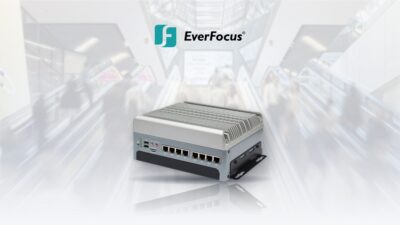
Running detection on an NVR or an edge computer beside the cameras keeps video on site and cuts the bandwidth sent upstream. PoE+ ports power the cameras directly, and the number of streams and the size of the model set the TOPS a system needs. We size the hardware against your camera count and recording needs.
See our surveillance solutions02Machine vision
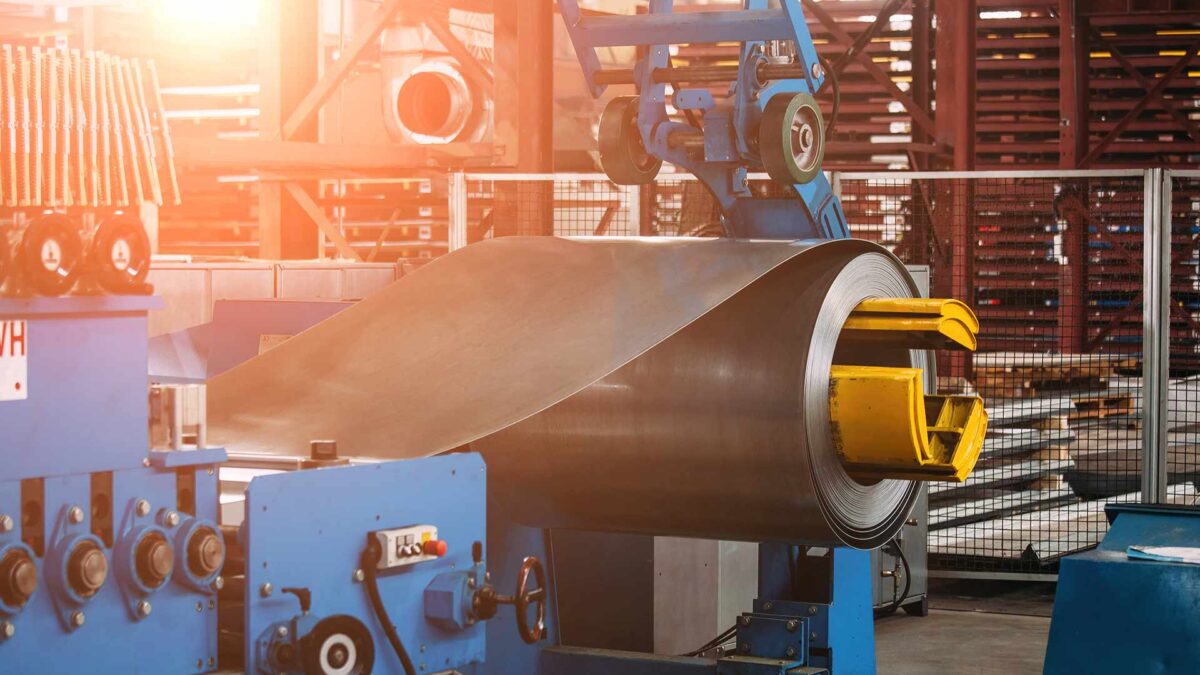
Machine vision and quality inspection on the line
Inspection systems pair industrial cameras with a GPU or NPU computer on the line, so a part is judged before it reaches the next station. GigE Vision and USB cameras, time-sensitive networking and isolated digital I/O tie the result back to the PLC. Heavier models and several cameras usually need a discrete GPU; lighter checks run on an NPU or integrated GPU.
See our manufacturing solutions03Robots, AMRs and drones
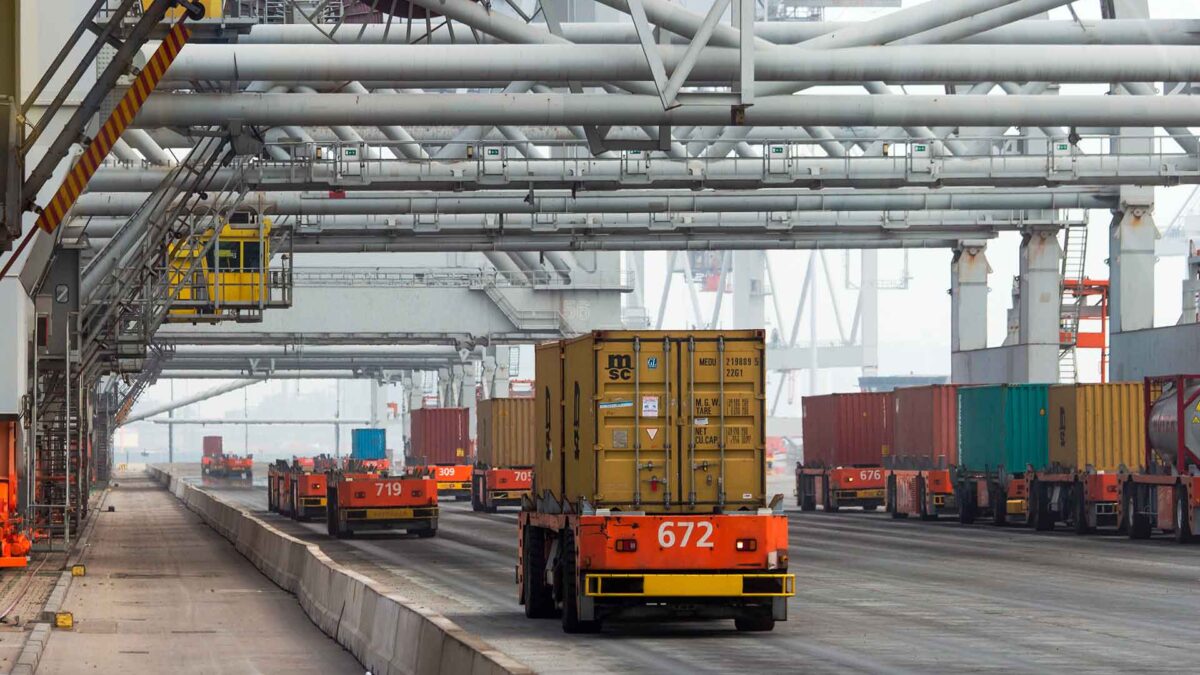
Perception computers for robots, AMRs and drones
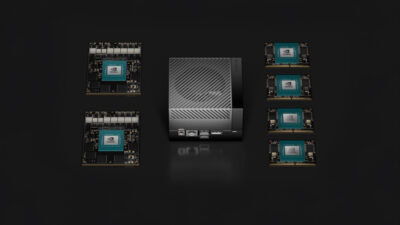
Autonomous machines fuse cameras, LiDAR and positioning in real time on a low-power computer that has to cope with vibration. NVIDIA Jetson modules with GMSL2 camera inputs and CAN bus are the usual starting point, from Orin Nano on a small AMR to AGX Orin on a large machine.
See our autonomous systems solutions04Retail and self-service
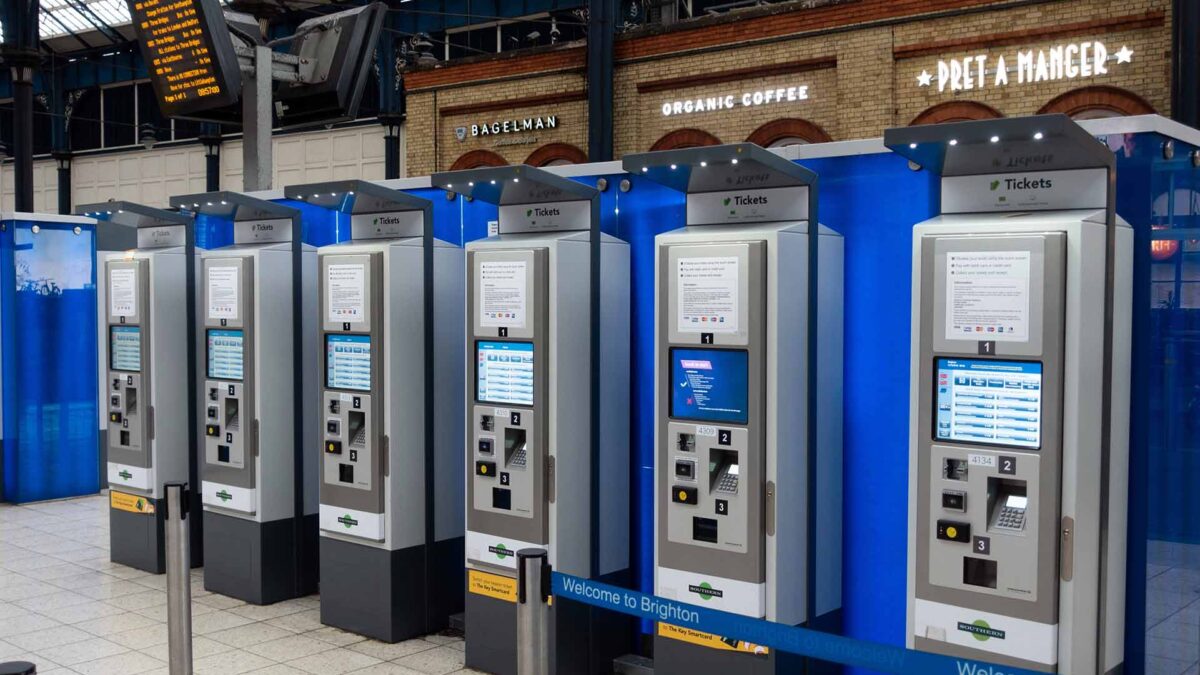
Edge AI for retail analytics and self-service
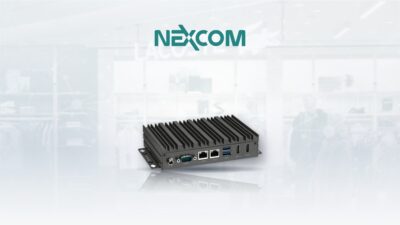
Shelf monitoring, footfall analytics and self-service checkouts run lighter models on compact computers with an NPU or integrated GPU, close to the cameras and kiosks they serve. Keeping inference on site reduces the video sent to the cloud and keeps the response quick at the counter.
See our retail and kiosk solutions05Agriculture
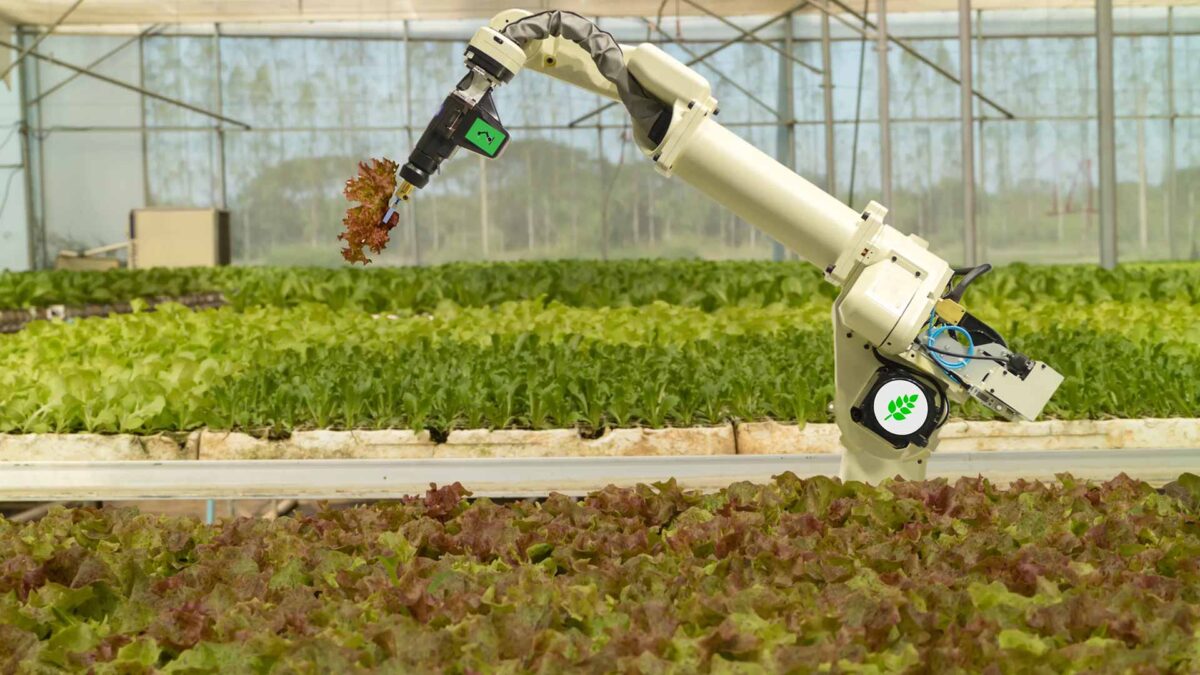
AI on farm machinery and in the field
Autonomous tractors, harvesters and livestock monitoring run vision and sensor fusion outdoors, often on a sealed computer with GMSL2 cameras and RTK positioning. Wide-range DC power and fanless cooling keep the system running on the machine through dust, rain and vibration.
See our agriculture solutionsHow we build edge AI hardware
Every system ships as a complete build: module, memory, storage and cards fitted, JetPack or your own image loaded, and the hardware tested together. Where a standard product does not fit, our in-house design centre adapts it or builds a custom edge AI computer around your requirement.
-
Scope
Size the model and the sensors
We start with the model, the number of cameras, their resolution and the frame rate the application has to hold. That sets the TOPS, memory and networking before the form factor is chosen, and decides between a Jetson module, an NPU and a discrete GPU.
-
Design
Match cameras, power and mounting
We match the camera interfaces (GMSL2, PoE+, GigE Vision or USB), CAN and serial, wide-range DC power and mounting to the installation, and fit 4G, 5G or Wi-Fi where the system reports back.
-
Build
Build, image and test in the UK
Systems are assembled in our UK antistatic engineering facility with the module, storage and cards fitted and JetPack or your own image loaded. Each build is functionally tested and documented with photographs.
-
Lifecycle
Support for the life of the project
Warranties of up to five years, free lifetime technical support from our UK team, and EOL and PCN management, with migration planning when a module generation changes, as it did from Jetson Xavier to Orin.
An extension of your engineering team
Our engineers work alongside yours, sizing the hardware against your model, cameras and power before you commit to a build.
Custom branding and white label
Custom I/O labelling, chassis colours and OEM packaging, with white-label direct delivery, while keeping the manufacturer’s serial number and nameplate.
Stock and call-off
We can hold stock on your behalf, with call-off or pre-agreed inventory under a project SLA, so systems arrive when the rollout or production line needs them.
BOM and asset tracking
We scan and track every BOM component, recording the contents, warranty status and delivery address of each system we ship.
Edge AI hardware we build on
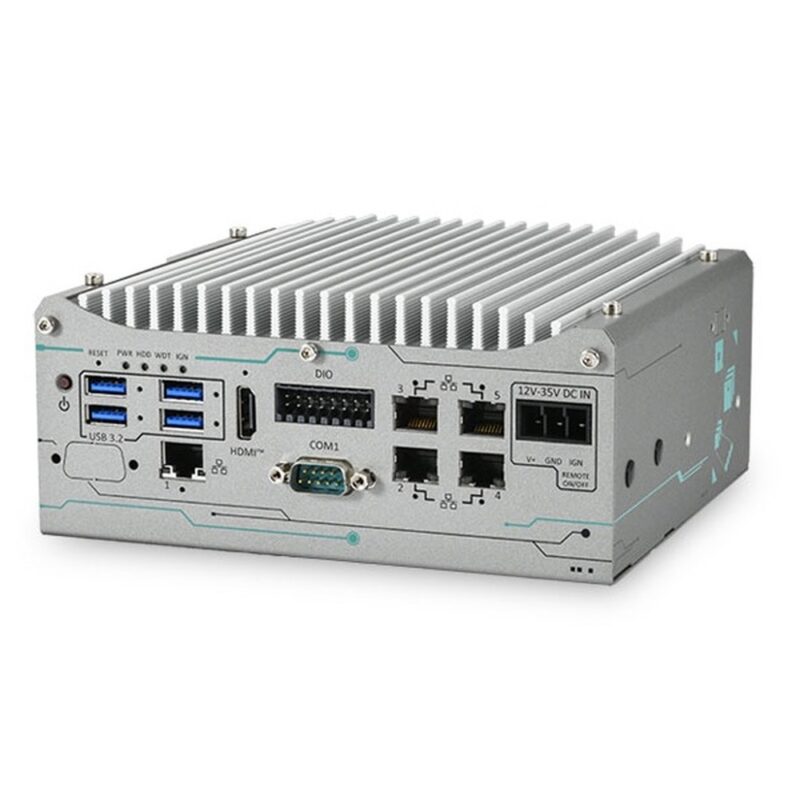
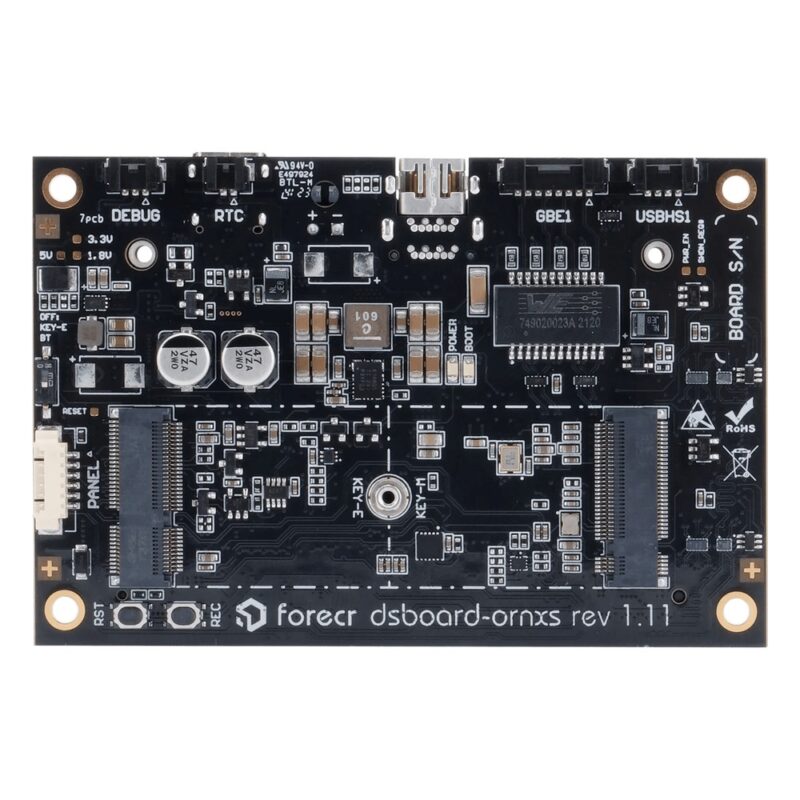
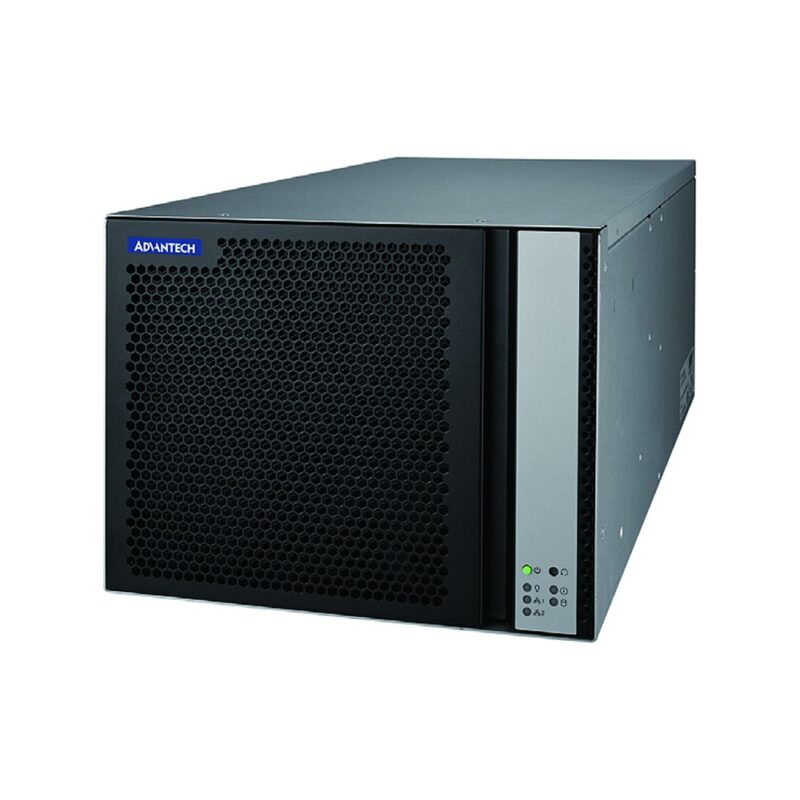
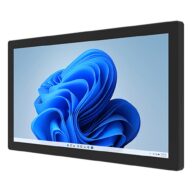
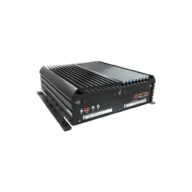
Seven product families cover most edge AI projects, from NVIDIA Jetson modules and Hailo accelerators to GPU computers, AI panel PCs and edge AI servers.
-

-
-
-
-
-
-
Edge AI case studies, guides and FAQs
Edge AI systems we have built for factories, surveillance, robots and retail, and our guides to choosing the AI processor.
-

-
-
-
-
-
What does TOPS mean in AI?
TOPS stands for tera operations per second: the number of trillion simple operations an AI processor can perform each second. It is the headline figure used to compare AI accelerators such as NVIDIA Jetson modules and NPUs. It is usually quoted for 8-bit integer (INT8) maths, and sometimes with sparsity, which doubles the figure.
TOPS explainedWhat is the difference between AI inference and training?
Training is how an AI model learns: it is fed large sets of labelled data and adjusted until it predicts accurately, which needs powerful GPUs. Inference is using the trained model on new data to make a decision, which is lighter per image and usually runs in real time on an edge computer beside the camera or machine.
Inference vs trainingWhat is the difference between an iGPU and a dGPU?
An iGPU (integrated GPU) is built into the processor and shares the system memory, so it adds no extra power, heat or cost. A dGPU (discrete GPU) is a separate graphics processor with its own memory, offering far more performance but needing more power, cooling and space. For edge AI, iGPUs suit lighter inference; dGPUs suit heavy workloads.
iGPU vs dGPUWhat is GMSL2?
GMSL2 (Gigabit Multimedia Serial Link 2) is a high-speed serial link that carries camera video, power and control data over a single coaxial cable of up to around 15 metres. Developed for automotive cameras, it is now widely used on robots, autonomous machines and drones with NVIDIA Jetson computers.
GMSL2 explainedSpeak to an edge AI specialist.
Tell us the model you plan to run, the cameras and sensors it needs, how the system is powered and where it will be installed. We will recommend the right edge AI hardware to start from, then configure, image and test it before it ships.