UK
UK 
Going fanless: heatsink or heat spreader
With fanless embedded PCs being in the market for a long time now you may be familiar with different heatsink designs to keep the system cool enough under load. Higher performance computers require larger heatsinks with fins to maximise the surface area and spread the heat accordingly, this is known as passive convection cooling.
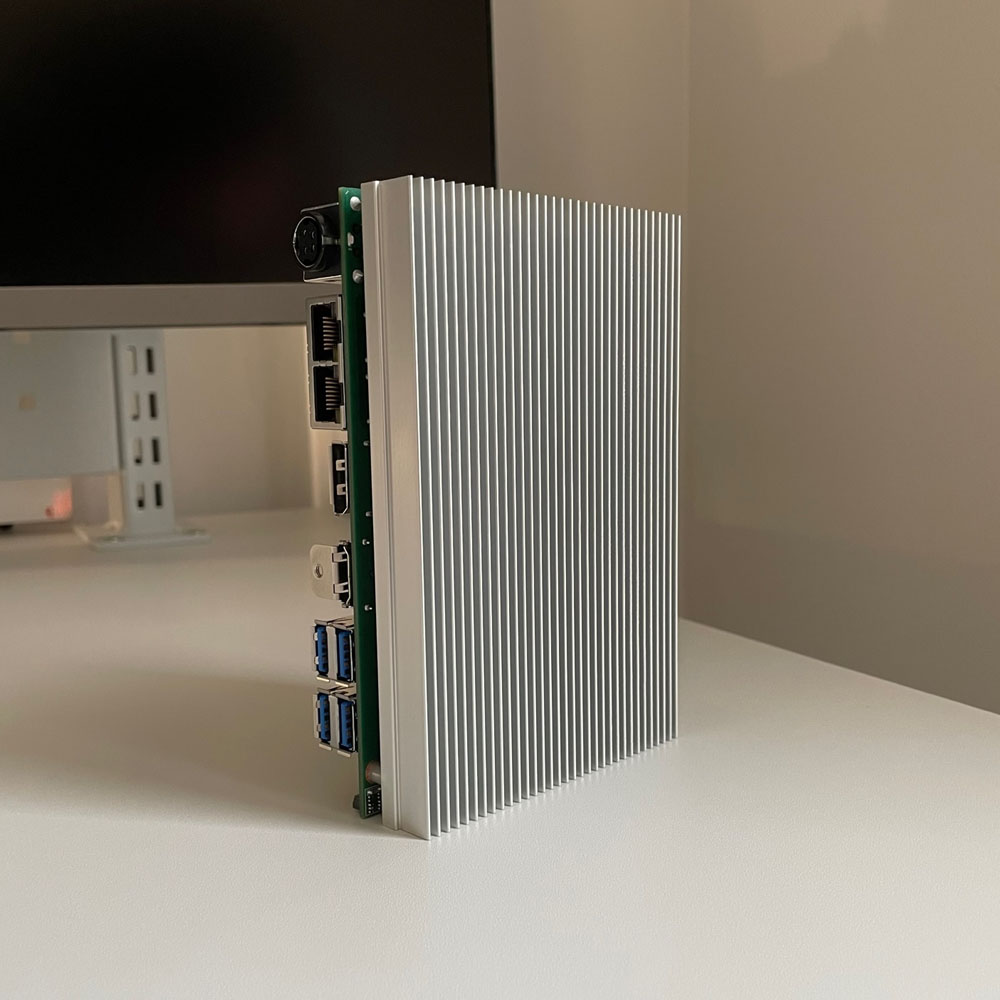
Embedded SBC with Heatsink
Heatsinks are also adopted by single board computers and industrial motherboards to spread the heat generated by the CPU and keep them cool enough to operate accordingly without having to throttle. Other components onboard might also require some assistance in passive cooling if generating large amounts of heat, such as video capture cards and even some new high-speed NVMe SSDs.
Heatsinks still require enough surrounding air or a degree of airflow to move generated heat from building up too much. If for example you placed a single board computer with heatsink inside a compact enclosure, all components inside the enclosure that are generating heat will cause the ambient temperature inside the enclosure to rise, in turn replicating the same problem you were trying to avoid in the first place. This heat needs to be spread as best as possible to the outside of the chassis or enclosure, similar to how fanless box PCs operate.
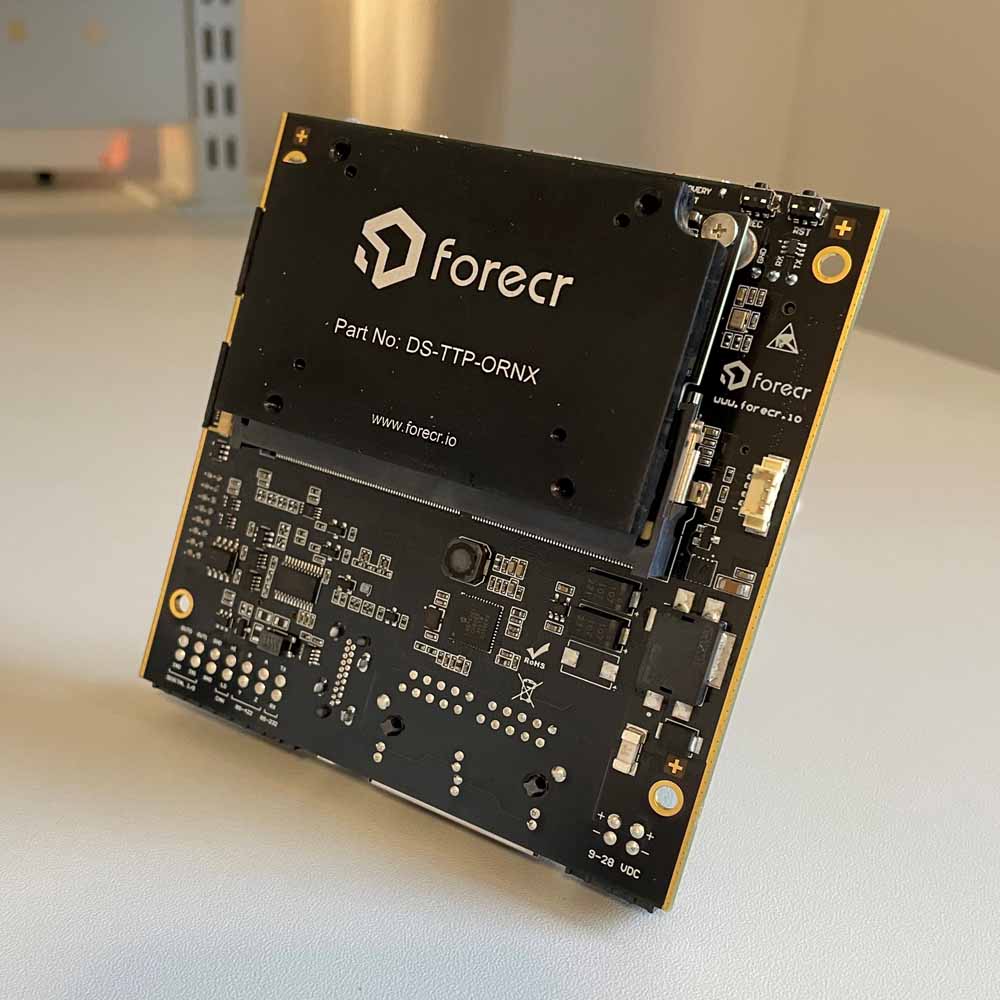
Embedded Board with Heatspreader
Heat spreaders are mated to the exterior surfaces. Through conduction, the aluminium heat spreader dissipates heat evenly to the surface of which it is bonded to. Embedded Computers rely on heat spreaders to dissipate heat from the CPU to the heatsink as part of the systems chassis. Heat spreaders are typically available with most Embedded Single Board Computers and can be easily designed and manufactured for bespoke use cases.