
 UK
UK 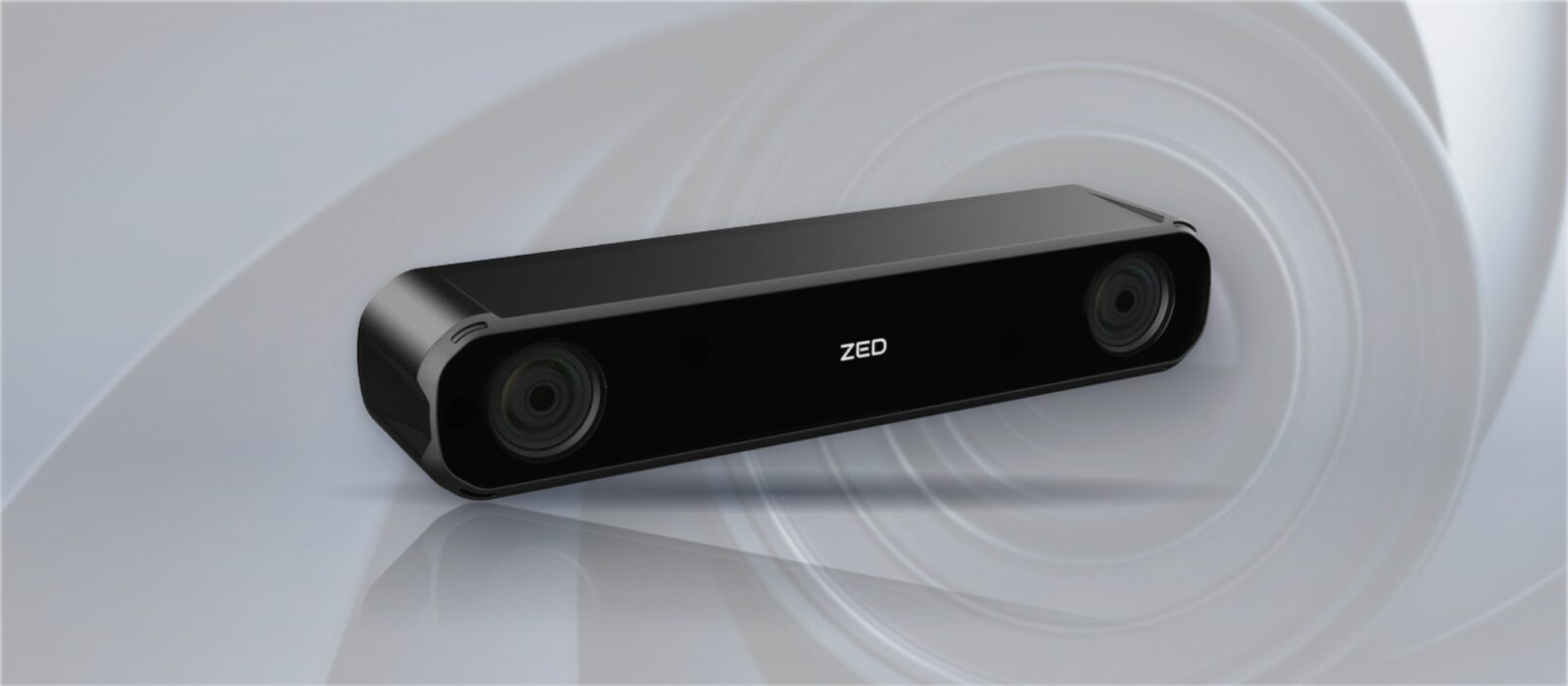
Global Shutter vs Rolling Shutter: Choosing a Camera for Robotics and Machine Vision
A global shutter captures the whole frame at once; a rolling shutter reads it line by line. Here is what that difference does to moving images, depth and detection, and how to choose between them for a robot or vision system.
What Global Shutter and Rolling Shutter Mean
A global shutter sensor starts and stops the exposure of every pixel at the same instant, so each frame is a single snapshot in time. A rolling shutter sensor exposes and reads the frame one row at a time from top to bottom, so the bottom of the image is captured slightly later than the top.
For a still scene the two look the same. When the camera or the subject moves, the difference shows up as bent verticals, wobble and smeared edges on a rolling shutter, and that matters for robots, vehicles and inspection lines, where software has to measure what it sees rather than just display it.
Key Takeaways
- 01Global shutter freezes motion
- Every pixel is exposed together, so fast movement is captured without skew, wobble or partial exposure.
- 02Rolling shutter reads row by row
- The delay between the first and last row distorts fast-moving scenes but costs nothing on a static one.
- 03Rolling shutter brings resolution
- Rolling shutter sensors usually reach higher pixel counts and dynamic range for the price and size.
- 04Stereo depth prefers global
- Matching two images taken while a robot moves is more reliable when every pixel was captured at the same moment.
- 05Match the shutter to the motion
- Decide by how fast things move relative to the camera, then by lighting, resolution and budget.
How Each Shutter Reads the Sensor
Every image sensor collects light in its pixels and then reads the charge out row by row. A rolling shutter staggers the exposure to follow that readout, so each row starts and ends its exposure a little after the row above. The time it takes to read the whole frame, often a few milliseconds up to tens of milliseconds, is the window in which motion can distort the image.
A global shutter sensor adds storage in each pixel, so the whole array can stop exposing at once and hold its charge while the rows are read out. That extra circuitry is why global shutter pixels have tended to be larger and the sensors more expensive for the same resolution, although the gap has narrowed as sensor technology has improved.
Exposure time matters as well as shutter type. A short exposure reduces motion blur on either sensor, but on a rolling shutter it does not remove skew, because the rows are still read at different times. Bright, even lighting lets a global shutter camera use short exposures freely, which is one reason vision systems pair them with strobes or high-power LED lighting.
What Rolling Shutter Distortion Looks Like
Rolling shutter distortion appears whenever something moves noticeably during the frame readout. The common effects are worth recognising before they appear in your data.
- Skew. Vertical lines lean when the camera pans or a vehicle drives past, because each row sees the scene a moment later.
- Wobble. Vibration on a vehicle or drone makes the whole image ripple, often called the jello effect.
- Partial exposure. A short flash or strobe lights only some rows, leaving bright and dark bands across the frame.
- Flicker banding. Pulsed LED lighting can print horizontal stripes across the image.
To a person watching a video these are cosmetic. To a perception model or a measurement algorithm they are errors, because an edge that bends or moves between rows gives the wrong position or size.
Global Shutter vs Rolling Shutter Compared
| Global shutter | Rolling shutter | |
|---|---|---|
| Exposure | All pixels at the same instant | Row by row, top to bottom |
| Fast motion | Captured without skew or wobble | Skew and wobble during readout |
| Strobes and flashes | Lights the whole frame evenly | Can light only part of the frame |
| Resolution for the cost | Typically lower | Typically higher |
| Low light and dynamic range | Good, depending on the sensor | Often better at the same price, with HDR options |
| Typical uses | Robots, vehicles, stereo depth, conveyor inspection | Detail, reading text, surveillance, slower scenes |
Neither shutter is better in general. The right one depends on how much the scene moves relative to the camera during a frame, and on whether the system measures the image or only looks at it.
Where Each Shutter Fits
Choose a global shutter when the camera moves or the subject moves fast. Mobile robots and autonomous vehicles see the world sweep past while they drive and turn; drones vibrate; parts on a conveyor pass the camera at speed; robot arms swing the camera with the gripper. Stereo depth is a particular case, because the camera computes distance by matching the same point in two images, and that matching is most reliable when both images and every row in them were captured at the same instant. This is why global shutter sensors are common in depth cameras for robotics.
Choose a rolling shutter when detail, dynamic range and low light matter more than motion. Reading labels and text, inspecting fine features on a part that stops under the camera, monitoring a scene from a fixed mount, or recording in mixed lighting all suit the higher resolution and HDR that rolling shutter sensors often bring.
Multi-camera systems add one more reason to prefer a global shutter. When several cameras around a vehicle or robot are hardware-synchronised, each frame from each camera represents the same instant, so software can stitch surround views or fuse depth from several viewpoints without correcting for row timing. With rolling shutter cameras the rows of each image still differ in time, which makes precise fusion harder as the machine speeds up. If a system mixes the two, keep measurement and fusion on the global shutter cameras and use the rolling shutter camera for detail and recording.
Shutter Choices in the Stereolabs ZED Range
The Stereolabs range covers both, which makes it a useful worked example. The ZED X, ZED X Mini and ZED X Nano stereo cameras use dual 2.3MP global shutter sensors with 3 µm pixels, as do the ZED X One GS and ZED X One S monocular cameras and the board-level ZED X One Core, all built for moving robots and vehicles. The USB ZED 2i and ZED Mini use 4MP rolling shutter sensors, and the ZED X One 4K uses an 8.4MP rolling shutter sensor with HDR for detail and difficult lighting.
A common pattern is to use global shutter GMSL2 cameras for navigation and depth on a moving machine, and add a high-resolution rolling shutter camera where the job is to read or record detail rather than measure motion.
How to Choose a Shutter for Your System
Work through four questions in order.
- Motion. How far does the scene move relative to the camera during one frame readout? If it is more than a pixel or two, start with a global shutter.
- Measurement. Does software measure positions, depth or sizes from the image? Measurement is less forgiving of distortion than viewing.
- Lighting. Will strobes, flashes or pulsed LEDs light the scene, or does the camera face bright sun and deep shade? Strobes favour global shutter; high contrast may favour an HDR sensor.
- Resolution and budget. If the scene is slow and detail matters, a rolling shutter gives more pixels for the cost.
We specify cameras together with the computer and interface that run them, and supply the system set up and tested as standard. Our guide to setting up a ZED X robotics stack on Jetson covers the software that turns those images into depth and odometry.
Related Questions
-
What Is a Stereo Camera?
A stereo camera is a camera with two image sensors set a fixed distance apart, like a pair of eyes. By finding the same point in both images and measuring how far it shifts between them, it calculates the distance to every pixel, so one sensor gives a robot or vehicle a 3D depth map as well as a colour image.
Choosing cameras for a moving machine?
Tell us how fast your machine moves, the light it works in and what the cameras have to see, and we will recommend the sensor, lens and Jetson host, then supply the system set up and tested.