
 UK
UK Ports and speed
How many ports, at 1G or 10G, copper or SFP — matched to the cameras, sensors and compute on the platform.
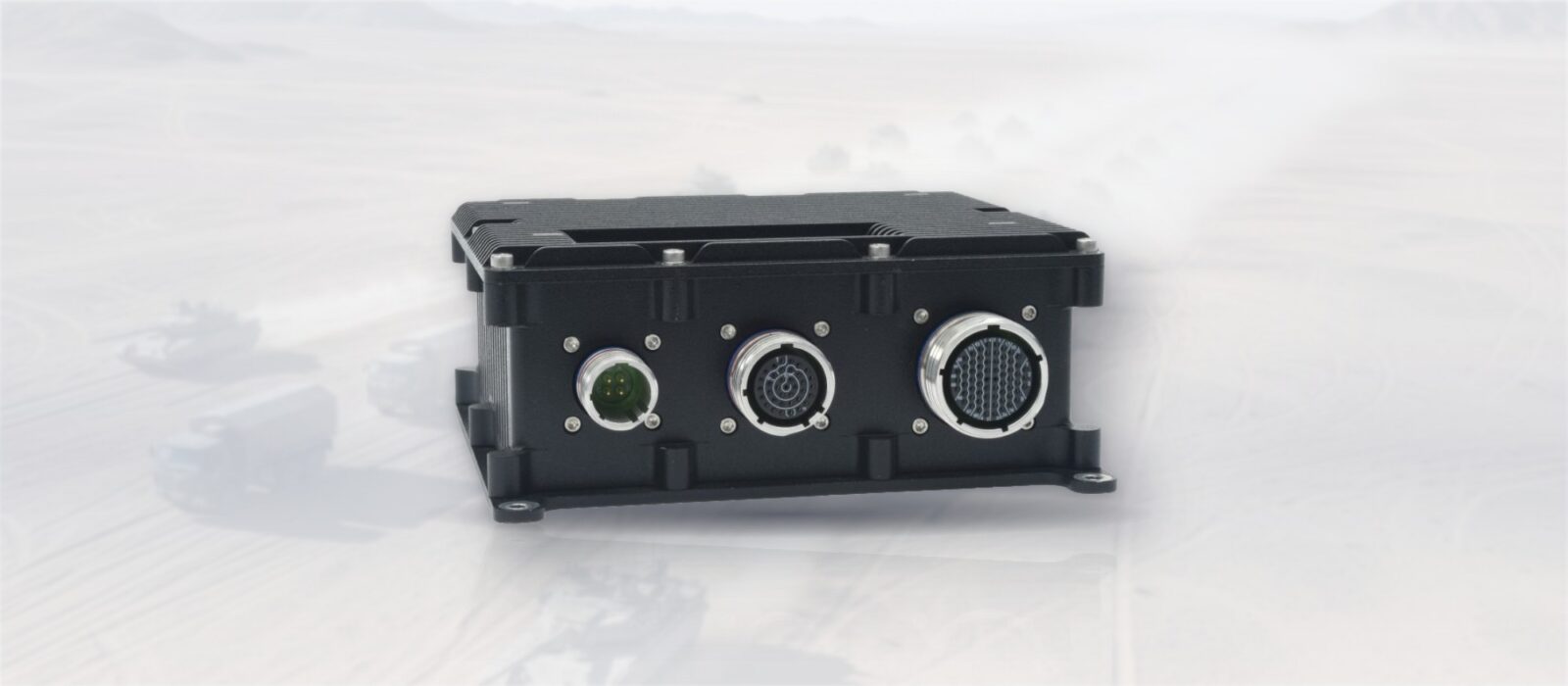
A military Ethernet switch is rarely an off-the-shelf box. They are built by integrating proven board-level switching into a rugged, MIL-rated system, sized, powered and connected for the platform. Diamond Systems builds them; Things Embedded supplies them and helps you specify the right one.
A military Ethernet switch is rarely something you buy off a shelf. The network has to survive the platform — shock, vibration, temperature extremes, dirty power and electromagnetic noise — and meet the standards the programme is written against, while the port count, speeds and connectors have to match the system it goes into. These switches are built by integrating proven board-level switching into a rugged, MIL-rated system, rather than adapting a fixed product. Diamond Systems builds them around their own board-level switch modules; Things Embedded supplies them and helps you specify the right configuration for the platform.
The network core is a board-level managed switch — from the Diamond Systems range, up to the EPS-9600 with its Time-Sensitive Networking capability and IEEE-1588 PTP. Building on a proven module rather than custom silicon takes the risk out of the design: you get managed Layer 2+ switching and Layer 3 routing, 1G and 10G ports (copper or SFP, broken out with transceivers), and determinism features, on a board already sized for integration. See our guide to board-level switch modules for how that core is chosen.
Platform power is hostile: spikes, surges, ripple and electromagnetic noise that a commercial switch is not built to tolerate. The build pairs the switch with a board-level military power supply that adds galvanic isolation and input filtering to the requirements of MIL-STD-461 (EMI/EMC) and MIL-STD-704 / MIL-STD-1275 (aircraft and ground-vehicle power). The switch then runs cleanly from the platform’s 28 V DC supply, without polluting the network or the vehicle’s electrical system.
The electronics go into a rugged build: a solid-body aluminium enclosure, MIL-DTL-38999 circular connectors in place of RJ-45, conformal coating against moisture and contaminants, and fanless conduction cooling for −40 °C to +85 °C operation. The assembly is built and tested to the requirements of MIL-STD-810 for shock and vibration and sealed to an IP rating suited to where it is deployed. Our overviews of the US military standards that defence equipment is tested against and the connector and management options across rugged Ethernet switch types give more background.
The switch is configured for the network it will run — VLANs, QoS, redundancy and, where the application is time-critical, TSN scheduling and PTP timing (see our TSN guide). It is integrated with the rest of the system, including the mission computer it connects to, and delivered tested and ready to deploy — not as a box to be wired up and configured on site.
How many ports, at 1G or 10G, copper or SFP — matched to the cameras, sensors and compute on the platform.
Layer 2+ or Layer 3, and whether the network needs TSN for determinism.
The input voltage and the power standards (MIL-STD-704 / 1275) the supply must meet.
MIL-DTL-38999, M12 or another circular standard to suit the harness.
Temperature range, ingress protection and the MIL-STD-810 profile for shock and vibration.
Board-level for integration into an existing chassis, or a fully-built boxed switch.
An integrated build gives an exact fit — the right ports, connectors and power for the platform, rather than the closest catalogue match — with a single point of accountability for the switch, its power and its enclosure, a build qualified against the standards the programme needs, and a supported lifecycle for the years a defence platform stays in service. It is the difference between a switch that happens to fit and one built to belong on the vehicle.
This is the model behind our rugged and military Ethernet switches: Diamond Systems board-level switching, including the EPS-9600 available both as a module and inside a fully-built rugged system, paired with board-level MIL power. Diamond Systems builds them; Things Embedded supplies and specifies them for your platform. Tell us the network, the platform and the standards it is written to, and we will help you specify and supply the right switch.
Tell us the network, the platform and the standards it must meet, and we will help you specify and supply a rugged or military Ethernet switch built to suit — board-level switching, MIL power and rugged enclosure.