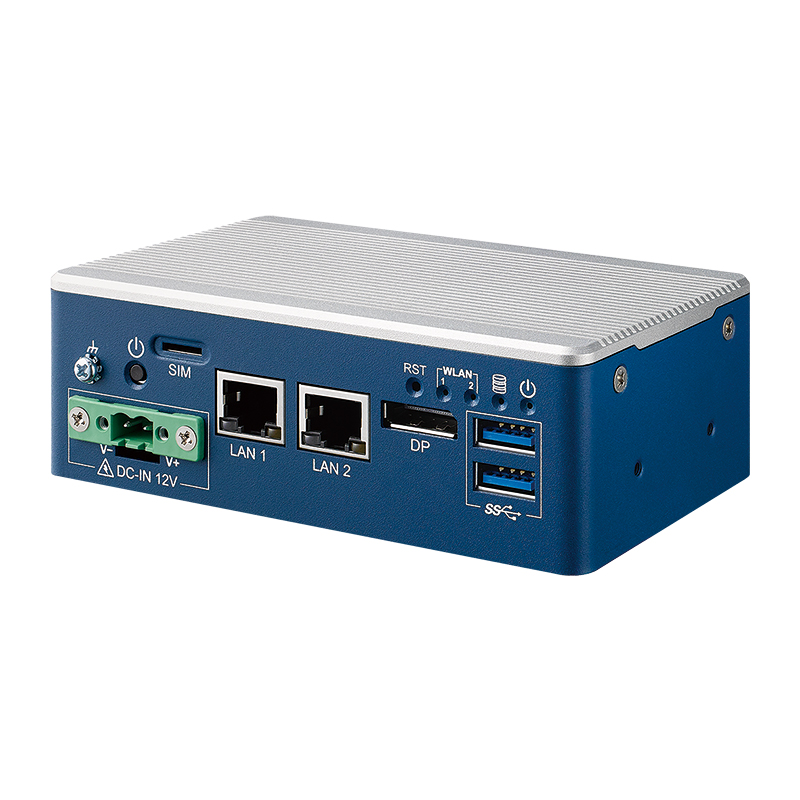
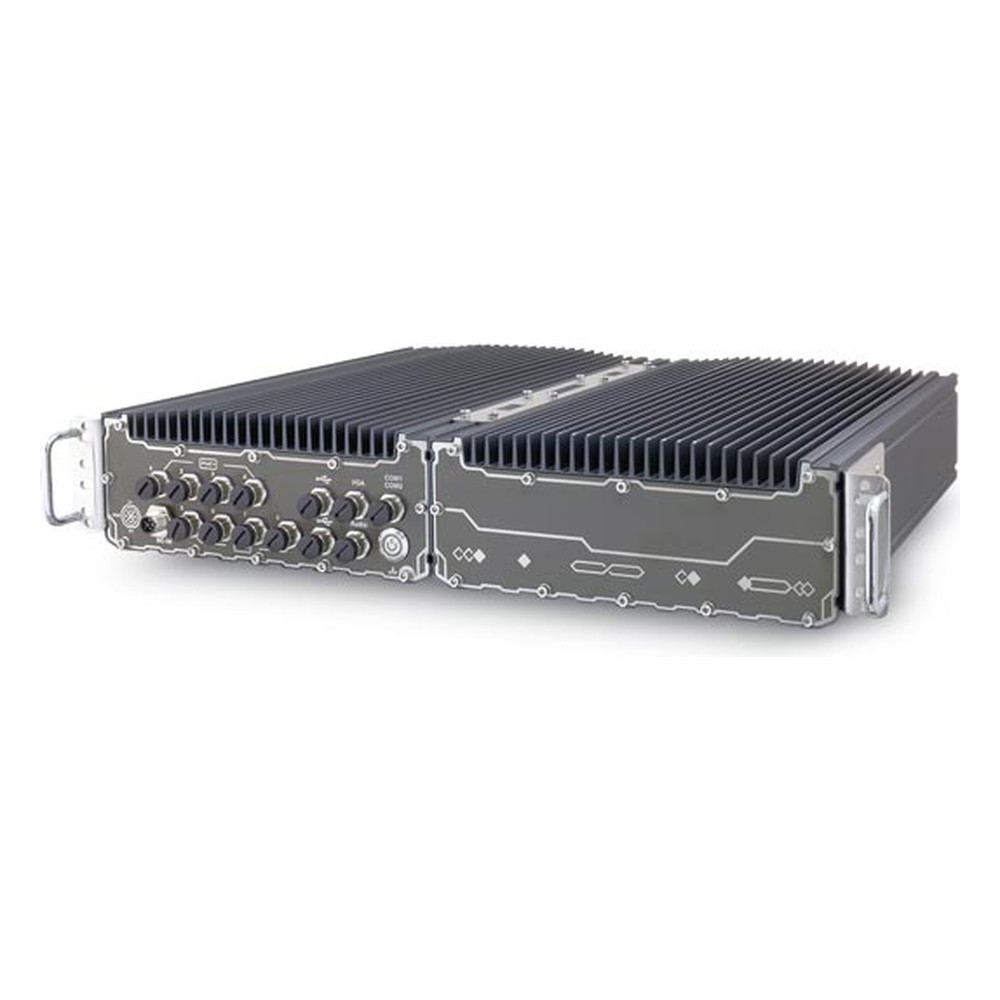
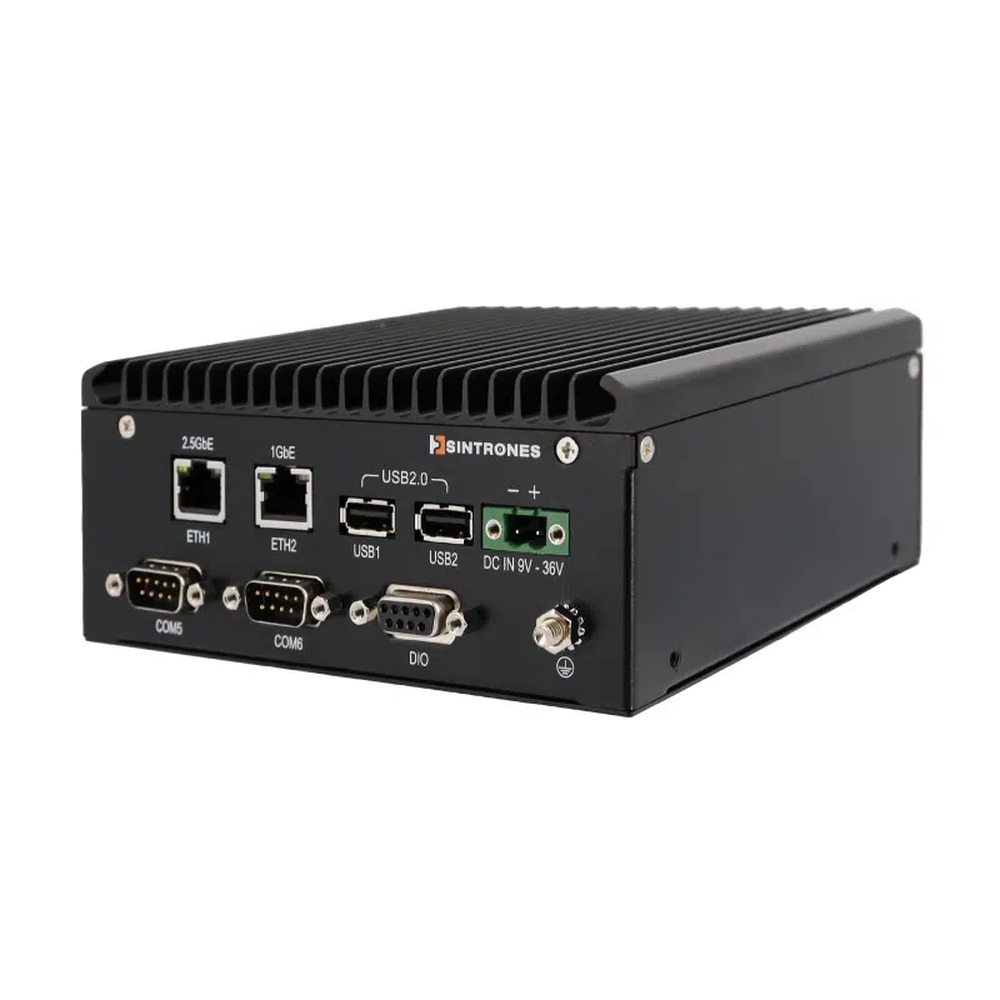
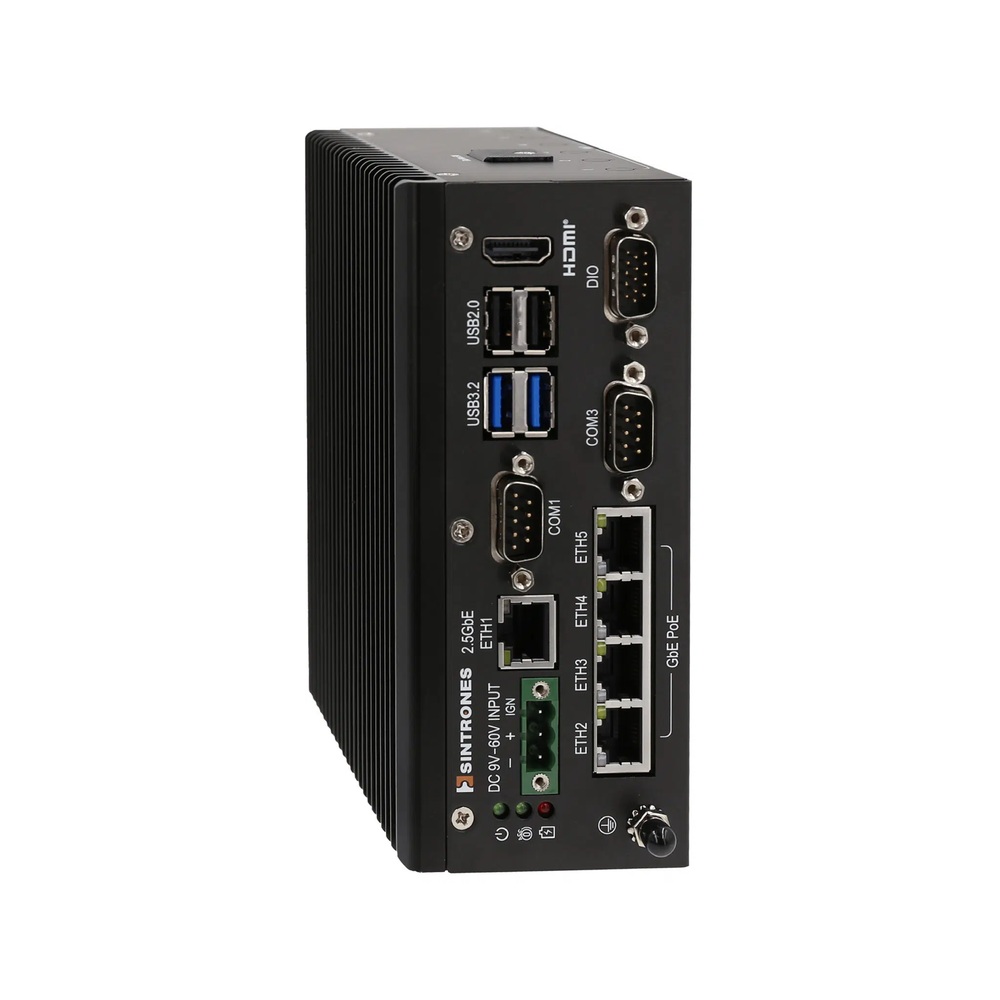
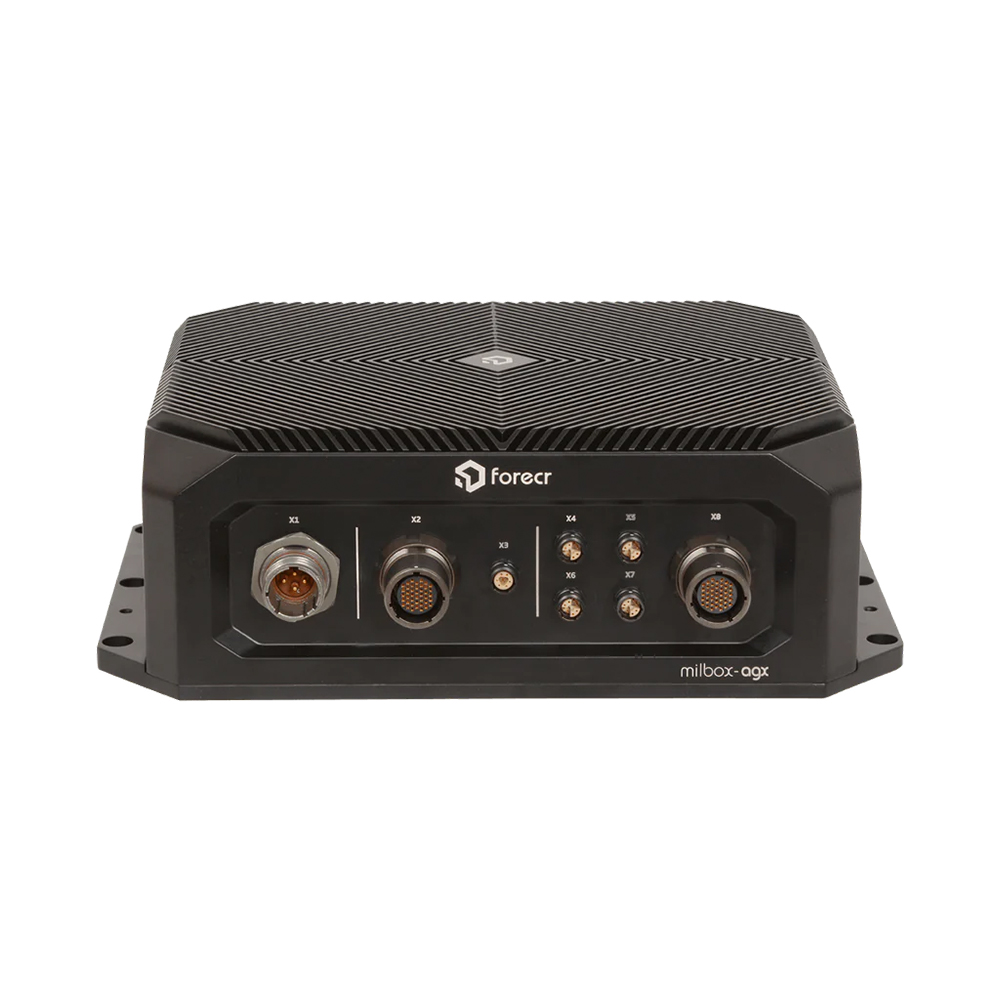
A rugged computer is a computer engineered to run reliably where a standard industrial PC would fail: extreme temperature, shock and vibration, dust and water, and unstable power. “Rugged” is not one product but a class of fanless, sealed, wide-input systems built and tested to defined environmental standards.
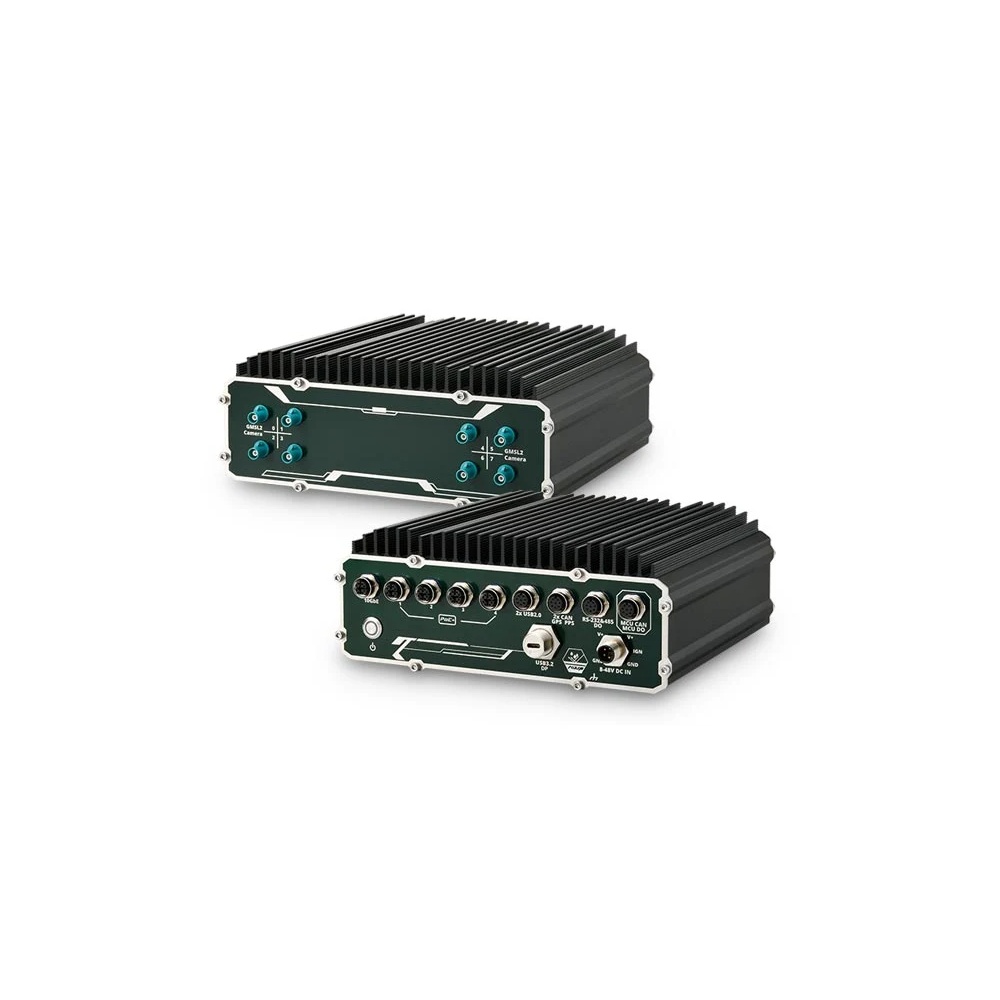
Where an office PC expects a heated room at around 10 to 35 °C, a rugged PC typically runs from −40 to 70 °C, takes 9–48 V DC straight from a vehicle supply and comes with test reports for shock, vibration and ingress.
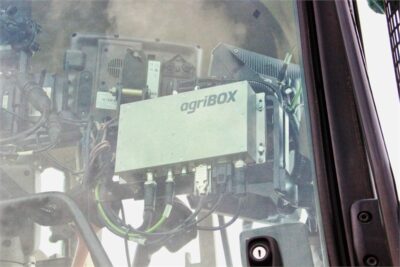
Typical deployments include in-vehicle and transport systems, harsh manufacturing such as steel and foundry floors, outdoor cabinets, and field equipment far from any climate-controlled room.
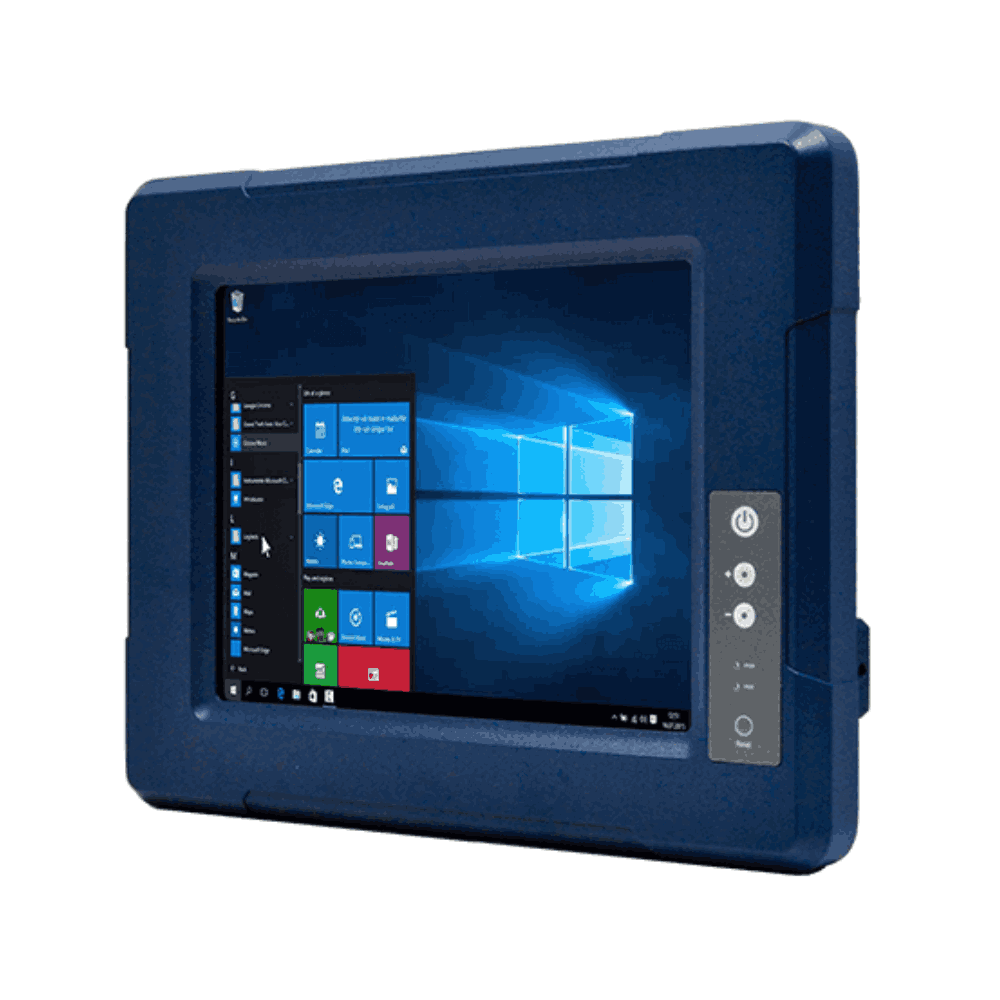
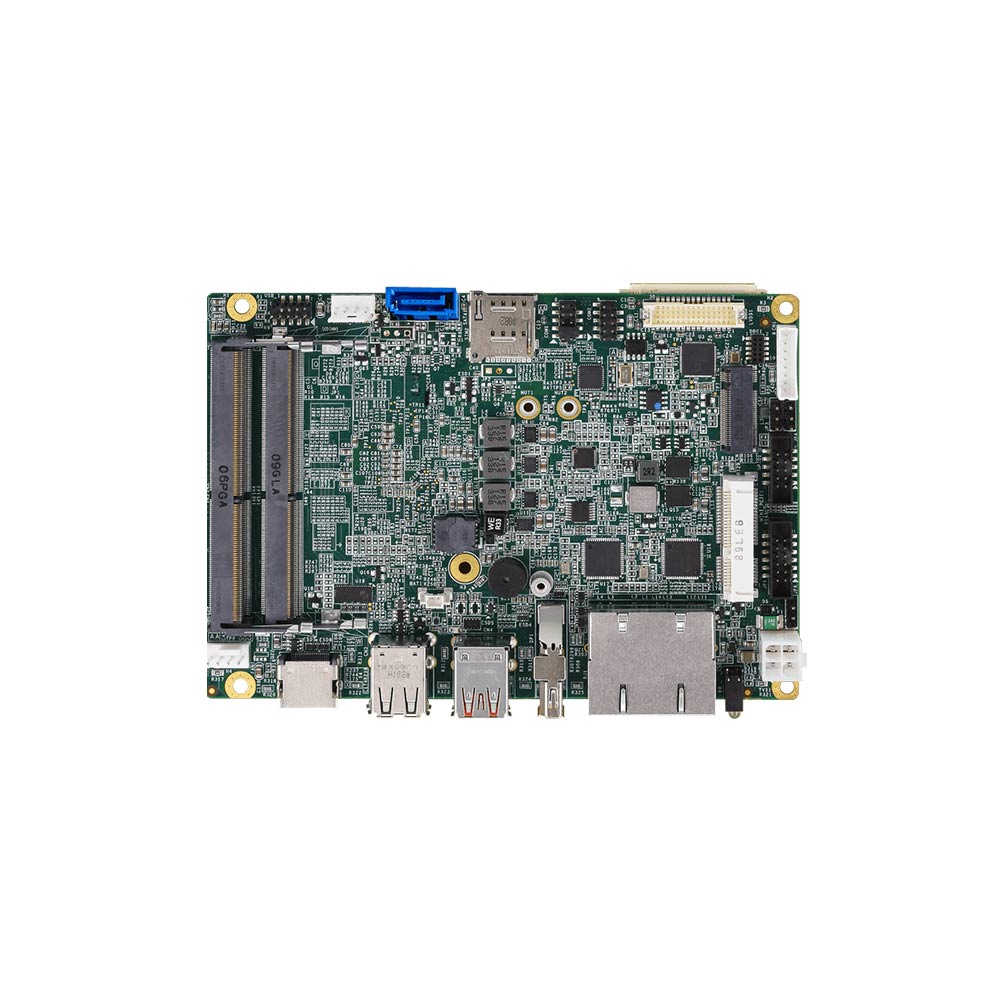
Things Embedded specialises in rugged systems for industrial, in-vehicle and defence deployment: box PCs, panel PCs, GPU computers and board-level systems, rather than rugged laptops or tablets. Every system is configured and tested before it ships.
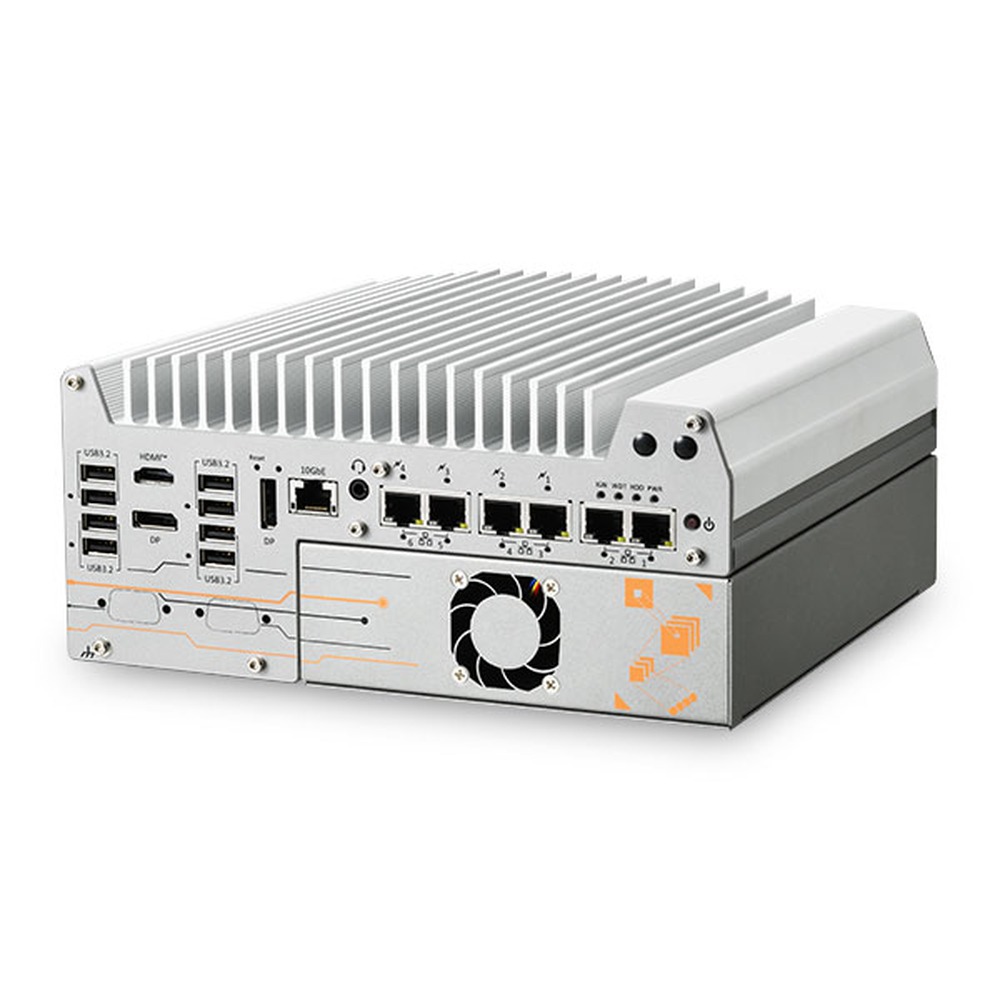
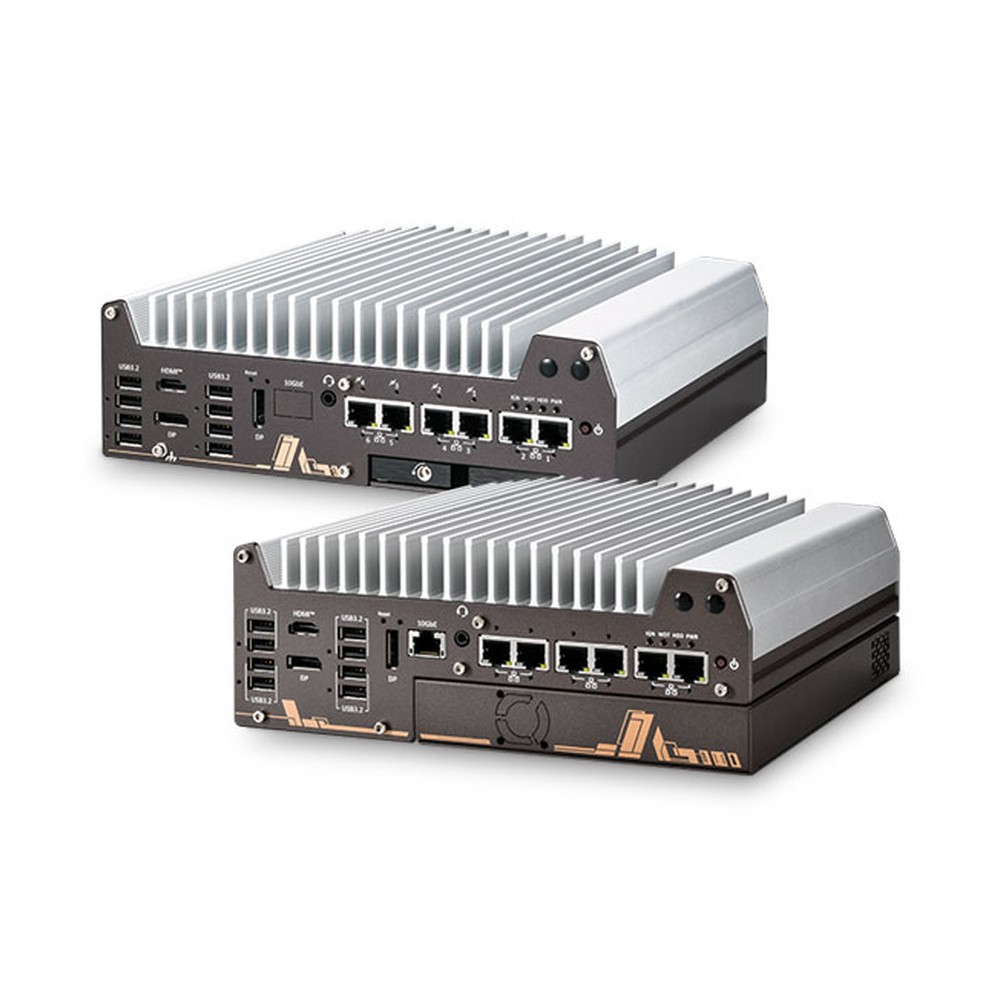
Recent launches show the range in practice: the RCO-1000-EHL rugged Intel Atom mini PC, the compact, fanless Neousys Nuvo-11531 for edge AI and our pick of the best rugged industrial computers for 2026.
If you are deciding between the two classes, where a rugged embedded computer earns its place over an industrial one sets out the design differences.

 UK
UK