
 US
US Embedded Computing Built Into Your Product or Process
Embedded computing for machines, kiosks, signage and control systems, where the computer is built into a product or process and has to keep running for years. We specify the right board, module or embedded PC for the design, then build, image and support it for the life of the project.
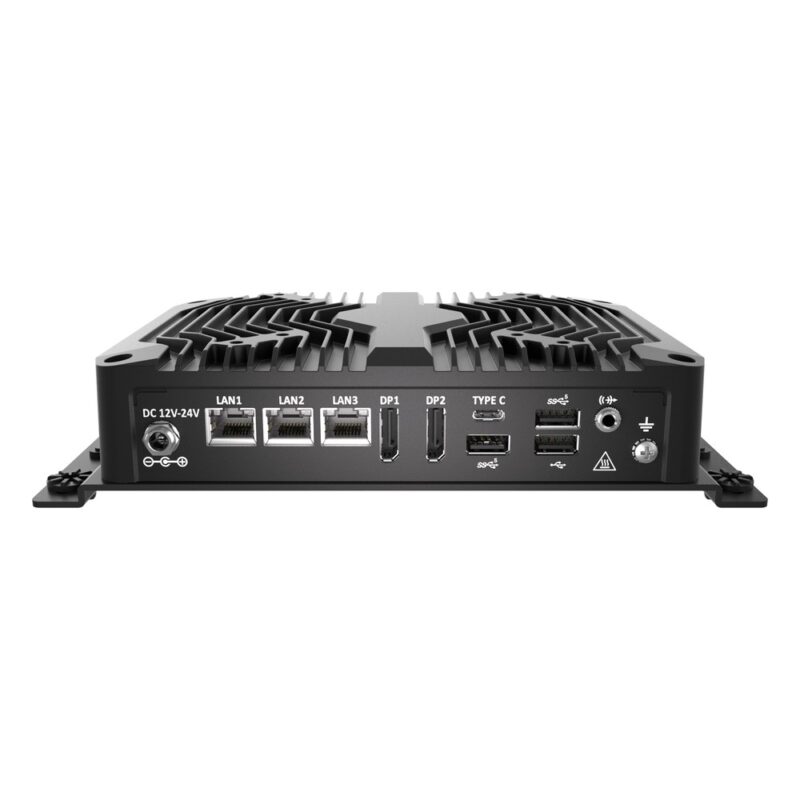
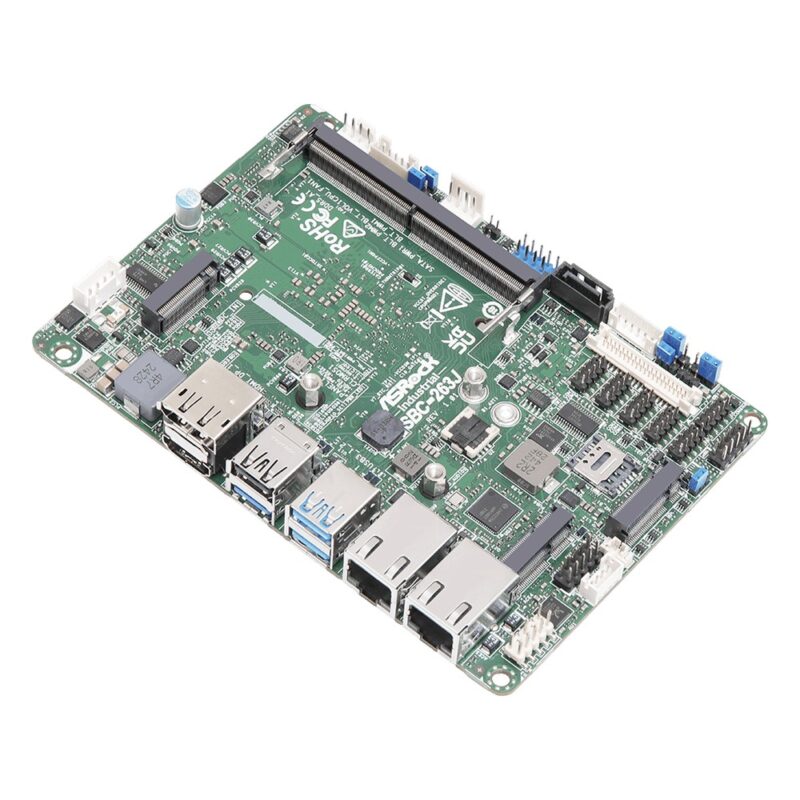
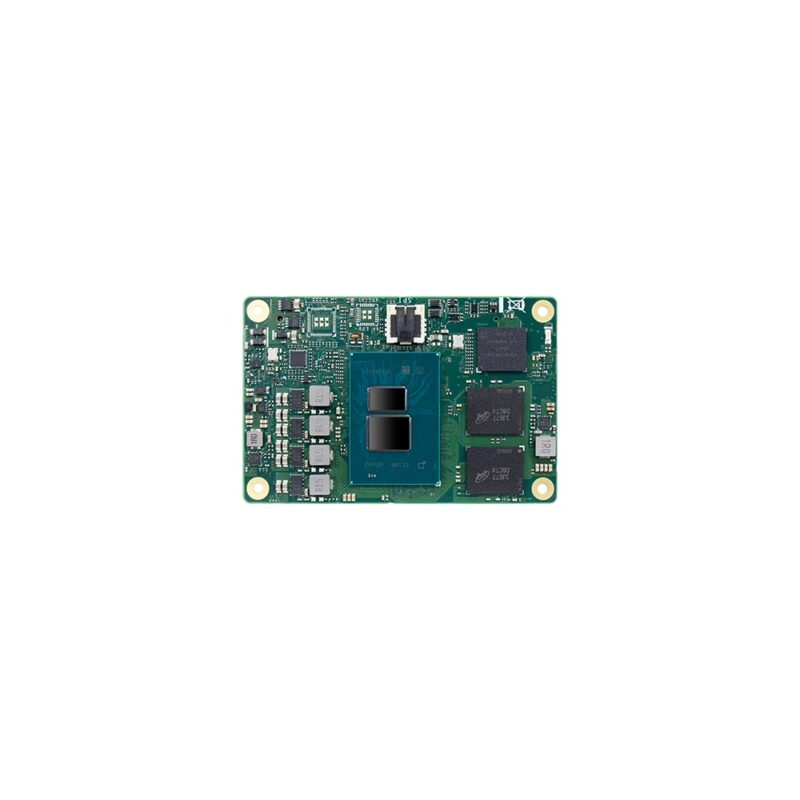
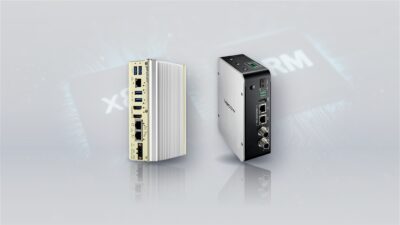
Intel and AMD x86 processors run Windows and the widest software base. Arm processors from NXP, Rockchip and Qualcomm trade some of that for lower power and simpler fanless designs. We match the architecture to your software, your power budget and how long the design has to stay in production. x86 vs Arm: Architectures Compared for Industrial and Embedded Systems
What goes into an embedded computer
An embedded computer is defined by how long it will be available, how it is powered and cooled, and the I/O it needs to talk to the rest of the machine. Here is how that looks on a fanless embedded PC.
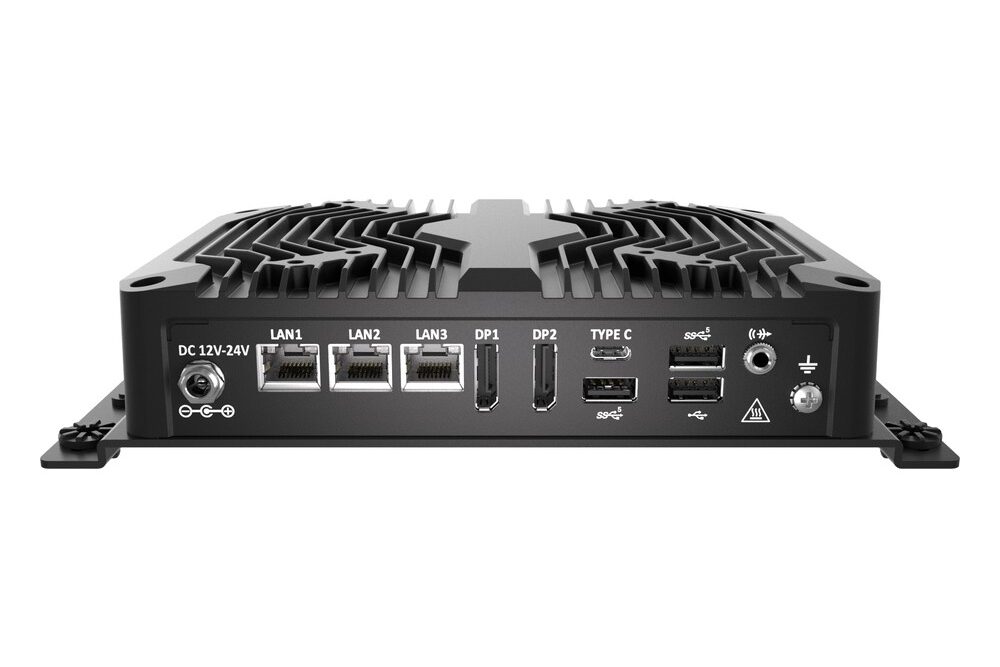
Fanless chassis with an integrated NPU
The Intel Core Ultra 7 155U and its NPU, rated at up to 11 TOPS, are cooled through the finned chassis, so the system runs fanless from −20 °C to 60 °C with no filter to change.
Three 2.5GbE ports
Three Intel 2.5GbE ports with PXE boot keep a machine network, a plant network and an uplink apart without a switch.
Dual 4K DisplayPort
Two DisplayPort 1.4 outputs drive two independent 4K displays, for an operator screen and a status display from one computer.
Protected 12–24 V DC input
A locking DC jack takes 12 V to 24 V, with over-voltage, over-current, reverse and surge protection.
Wall, VESA or DIN rail mounting
Wall and VESA mounting are standard and DIN rail is optional, and the chassis is designed to comply with MIL-STD-810H for shock and vibration.
Where embedded computing is deployed
Embedded computers sit inside the products and processes they run: a machine, a kiosk, a sign, a medical cart or an energy site. Each one sets its own space, I/O and lifecycle requirements, so the right board or system differs from one to the next.
01Factory automation
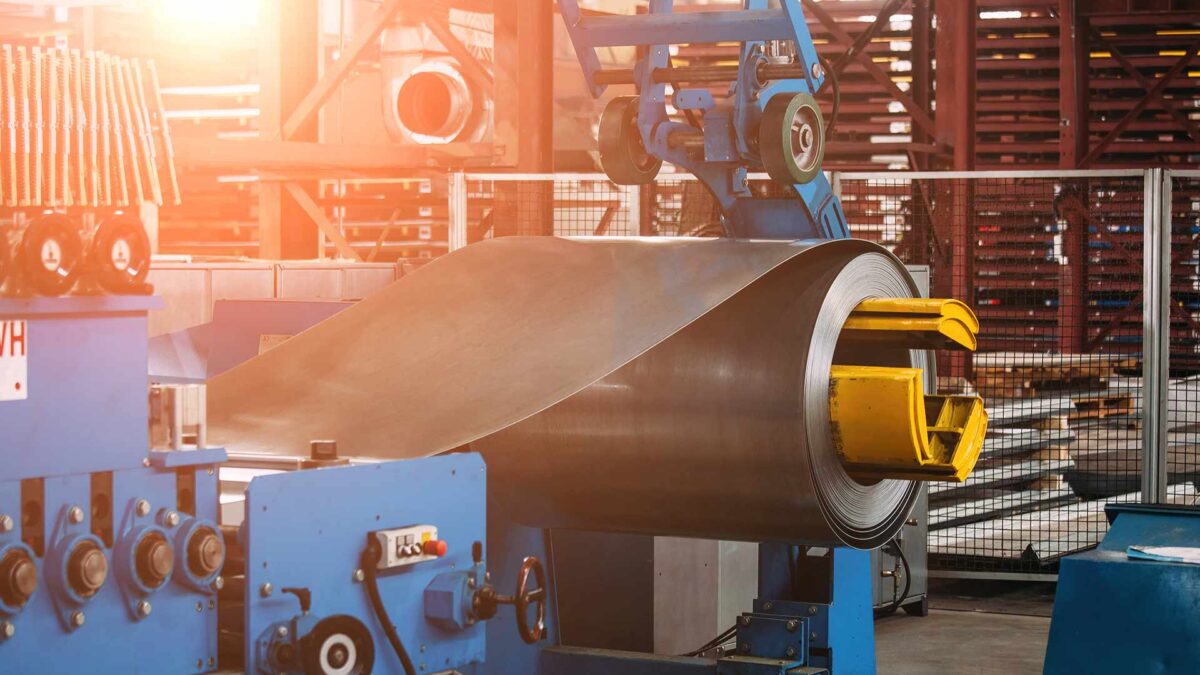
Embedded PCs for machine control and factory automation
Machine builders embed a fanless PC or SBC in the control cabinet to run the HMI, data collection or machine vision. Serial ports, isolated digital I/O and DIN rail mounting connect it to PLCs and sensors, and a long-life processor keeps the same build available across the machine’s production run.
See our manufacturing solutions02Kiosks and self-service
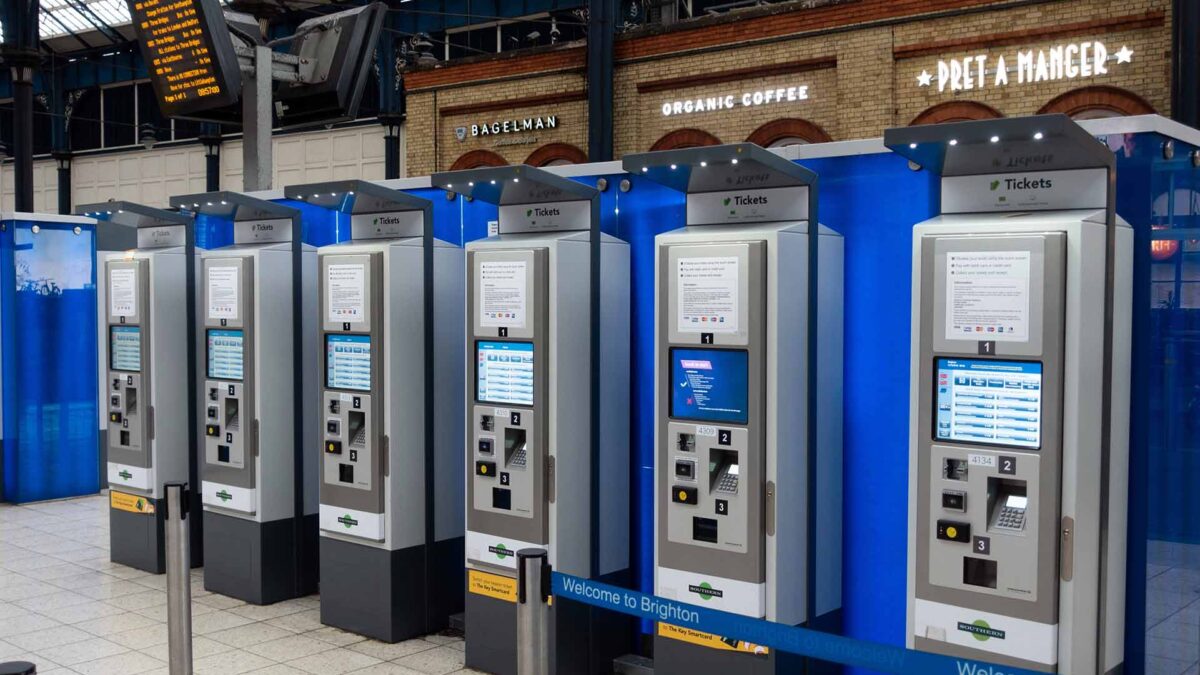
Computers for kiosks, vending and self-service
Self-service kiosks, lockers and reverse vending machines build a compact embedded PC or SBC into the cabinet to drive a touch screen, a payment terminal and a printer. Several display outputs, USB and serial ports cover the peripherals, and a 4G modem keeps a remote site connected.
See our retail and kiosk solutions03Digital signage
Media players and embedded PCs for digital signage
Digital signage players drive one or more 4K screens from a small fanless computer behind the display or in a ceiling void, often for years without a site visit. We match the outputs, the operating system and the content software, and image the build so every screen in the estate behaves the same.
See our digital signage solutions04Medical equipment
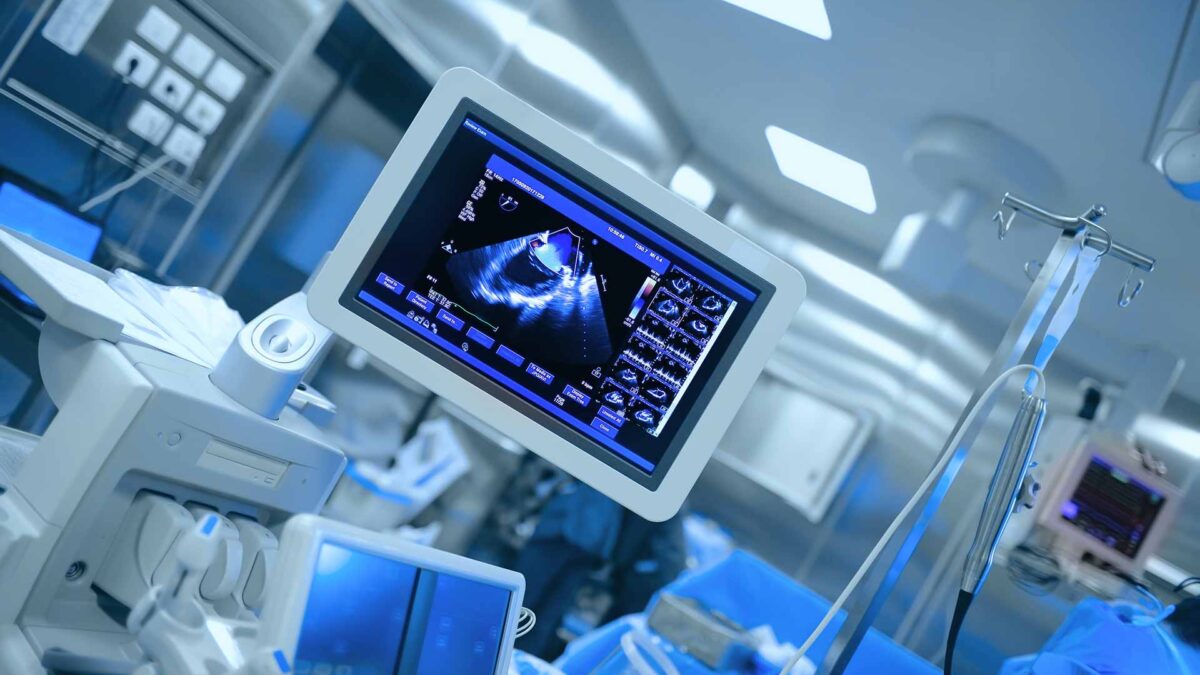
Embedded computers for medical equipment
Medical device makers build embedded boards and fanless PCs into carts, imaging systems and diagnostic equipment, where a design change can mean re-validation. A long-life processor and controlled revisions keep the same build available, and silent fanless cooling suits clinical spaces.
See our medical solutions05Energy and utilities
Edge PCs for substations and energy sites
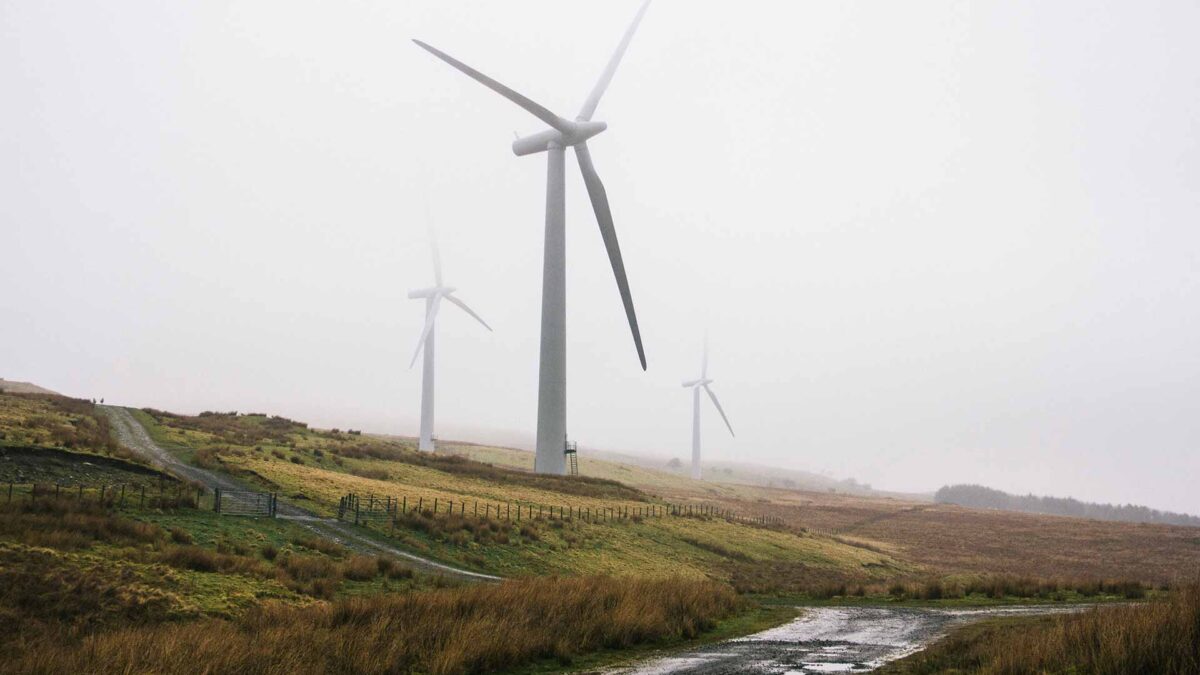
Substations, solar farms and battery storage sites put a DIN rail PC or gateway in an unheated cabinet, collecting data from meters and protection relays over serial and Ethernet. Wide-temperature components and fanless cooling keep it running through the seasons with no routine maintenance.
See our power and energy solutionsHow we build and integrate embedded systems
Every system ships as a complete build, with your image loaded and the hardware tested together. We work from your design: a board or module you build into your own enclosure, or a finished embedded PC configured for your product.
-
Scope
Scope the design and the lifecycle
We start with the product: the software, the I/O, the space and power available and how long the design has to stay in production. That decides between a board, a module and a finished embedded PC before the processor is chosen.
-
Design
Match the I/O, displays and power
We match serial, GPIO, displays and networking to the design, add 4G, 5G or Wi-Fi where needed, and make up custom cable harnesses. Semi-custom variants and custom enclosures come from our in-house design centre.
-
Build
Build, image and test in the USA
Boards and systems are assembled in our USA antistatic engineering facility with memory and storage fitted, the BIOS set and a “golden image” loaded, so every system in a production run starts the same. Each build is functionally tested and documented with photographs.
-
Lifecycle
Support for the life of the product
Warranties of up to five years, free lifetime technical support from our USA team, and EOL and PCN management with last-time-buy planning, so a design built today still has a clear supply path in the years ahead.
An extension of your engineering team
Our engineers work alongside yours, checking I/O, power and lifecycle against your design before you commit to a build.
Custom branding and white label
Custom I/O labeling, chassis colors and OEM packaging, with white-label direct delivery, while keeping the manufacturer’s serial number and nameplate.
Stock and call-off
We can hold stock on your behalf, with call-off or pre-agreed inventory under a project SLA, so systems arrive when the rollout or production line needs them.
BOM and asset tracking
We scan and track every BOM component, recording the contents, warranty status and delivery address of each system we ship.
Embedded hardware we build on
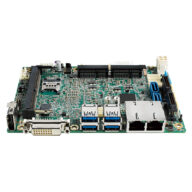
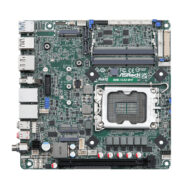
Seven product families cover most embedded projects, from COM Express modules and PC/104 stacks to industrial SBCs, motherboards and fanless embedded box PCs.
-

-
-
-
-
-
- 07PC/104PC/104, PCI-104 and PCIe/104 boards for stackable rugged embedded systems, many rated for extended temperatures.

Embedded case studies, guides and FAQs
Embedded systems we have built for parking, connectivity and AI vision projects, and our guides to choosing the board, processor and form factor.
-

-
-
-
-
-
What are the COM Express module types?
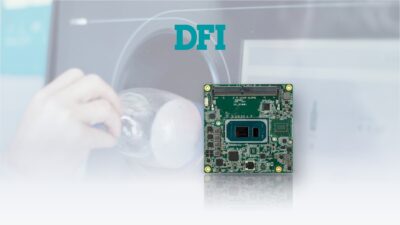
COM Express is a PICMG standard for computer-on-modules, and its pin-out types define which interfaces a module provides. Type 6 is the most common, with display outputs, USB and PCIe for general embedded systems. Type 7 is headless, with multiple 10GbE ports for server-class edge use. Type 10 is a smaller, lower-power pin-out for Mini modules.
COM Express module typesWhat are the advantages of fanless computers?
Fanless computers cool themselves passively, through a finned heatsink chassis and heat pipes, instead of a fan. With no moving parts and no airflow drawing in dirt, they are more reliable in dusty or vibrating places, completely silent, low maintenance and easy to seal, which is why they are the standard choice for industrial and embedded use.
Fanless computer advantagesWhat is PC/104?
PC/104 is a stackable board standard for rugged embedded computers. Boards plug into each other through their bus connectors instead of a backplane, so a processor board, I/O and power supply build into a compact stack that holds together under vibration.
What is PC/104?Speak to an embedded computing specialist.
Tell us what the system has to run, the I/O and displays it needs, the space and power available and how long the design has to stay in production. We will recommend the right board, module or embedded PC to start from, then configure, image and test it before it ships.