
 US
US 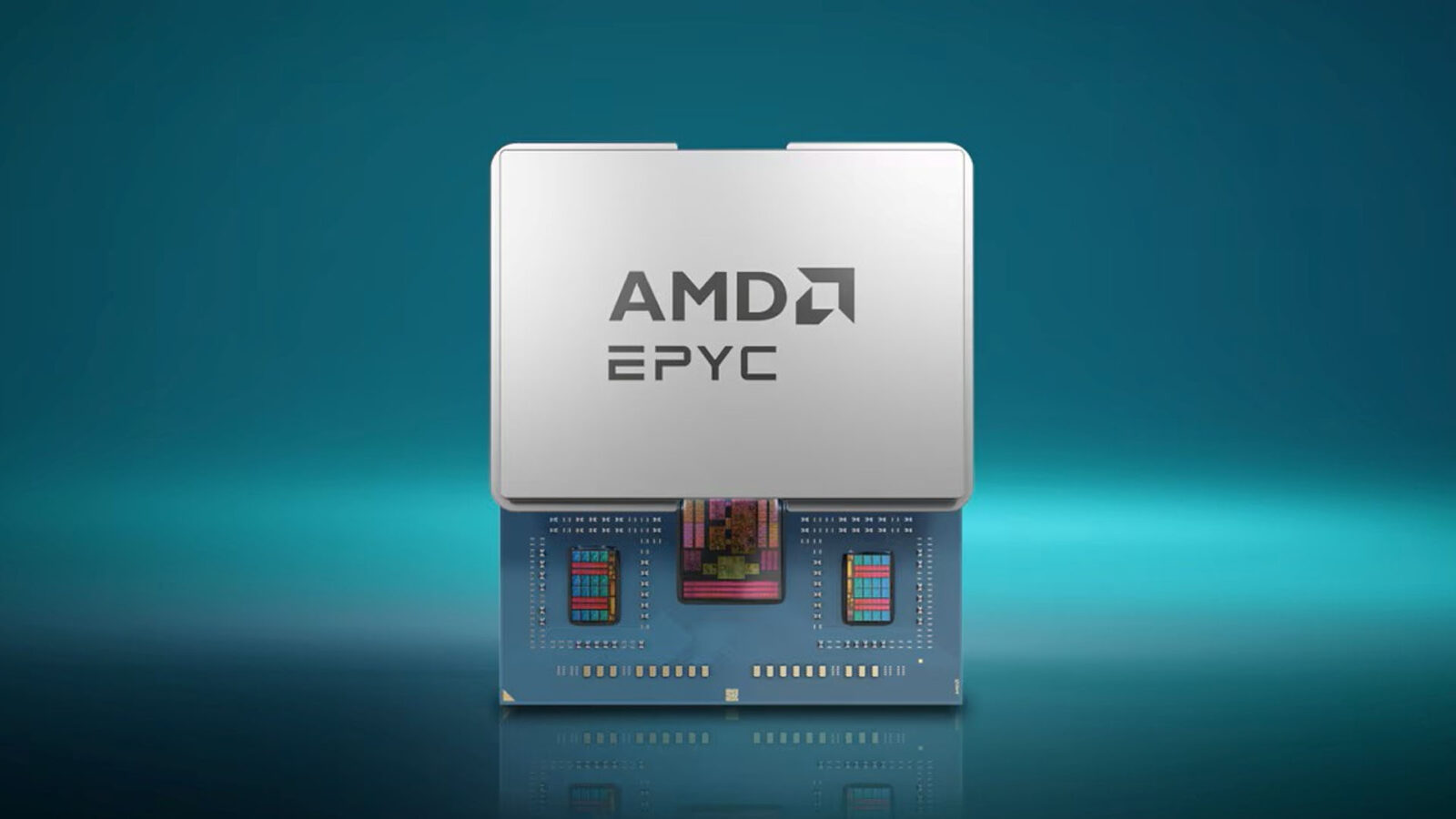
AMD EPYC Embedded for Edge Servers
An edge server brings server-class compute out of the data centre and close to where data is created. AMD EPYC Embedded 8004 — "Siena" — was built for exactly that: server cores in an energy-efficient, single-socket footprint.
An edge server brings server-class compute out of the data centre and close to where data is created — on the factory floor, in a vehicle depot, at a cell site or a retail back-room. The challenge is doing it within the space, power and thermal budget the edge allows. AMD’s EPYC Embedded 8004 series — codenamed “Siena” — was built for exactly that, and it is the platform behind a new class of compact, energy-efficient edge servers.
What Makes an Edge Server Different
An edge server is not a shrunk data-centre rack. It has to deliver real server capability — many cores, plenty of memory with ECC reliability, room for accelerators — within a footprint and power envelope that suits an industrial cabinet or a roadside enclosure, often fanless or with constrained cooling, and with long-life availability. That rules out consumer parts and full data-centre CPUs alike: it needs a server processor designed for the edge.
AMD EPYC Embedded 8004 ("Siena")
The EPYC Embedded 8004 series is AMD’s energy-efficient, single-socket server processor, with up to 64 “Zen 4c” cores and six channels of DDR5 in a compact footprint. Single-socket keeps the board and the power straightforward; the high core count and memory bandwidth handle real-time analytics, AI inference and large-scale data processing at the edge; and the embedded designation brings the long-life availability an industrial deployment needs.
What an edge server does
Bringing server compute to the edge unlocks workloads that a small edge device cannot handle and the cloud is too far away for.

Real-time analytics
Process data where it is generated — low latency, with no round-trip to the cloud.
AI inference
Run multiple AI models, or heavier vision pipelines, on-site rather than upstream.
Data aggregation
Collect, filter and store data from many edge devices before any of it goes to the cloud.

Consolidation
Run several workloads or virtual machines on one resilient box, replacing a rack of smaller ones.
EPYC vs Ryzen Embedded at the Edge
AMD covers the edge with two embedded lines. Ryzen Embedded suits compact, graphics-capable edge devices and edge-AI nodes — the newer Ryzen Embedded 8000 parts add a Ryzen AI NPU for on-device inference. EPYC Embedded steps up to server-class core counts, memory and reliability for heavier consolidation, virtualization and multi-stream AI. The rule of thumb: choose Ryzen for an edge device, EPYC for an edge server.
Where This Fits
Edge servers on EPYC Embedded are emerging from specialist vendors such as SolidRun in compact, fanless and rugged designs, alongside Ryzen-AI edge devices from the likes of Neousys and Sintrones. Things Embedded supplies AMD-based edge computing across both lines — see our AMD range, our guide to AMD Ryzen Embedded, or our processor selection guide. Tell us the workload and the deployment, and we will recommend an edge server or edge device to suit.
Building an Edge Server?
Tell us the workload — analytics, AI inference, consolidation — and the deployment environment, and we will recommend an AMD EPYC or Ryzen edge platform to suit.