
 US
NVIDIA Jetson Orin Nano 2: what's new for entry-level edge AI
NVIDIA announced the Jetson Orin Nano 2 on 25 August 2026, a new entry-level module for robots, drones and vision AI systems. It succeeds the Jetson Orin Nano in the same compact form factor, with 78 TOPS of AI performance, an eight-core Arm CPU and 8 GB of memory.
NVIDIA’s headline claim is twice the inference performance of the Orin Nano Super, or the same performance at 40% less power in 15 W mode. It credits improved Tensor cores and higher memory bandwidth from LPDDR5X, the first time Orin has used it. The module runs the existing Jetson Orin software stack, so models and containers built today carry over. The module and developer kit are due in the first half of 2027, and NVIDIA has not announced pricing.
That makes the Orin Nano Super the module to design on until then. Here is what changes, and how to plan a product so it can move across.
Orin Nano 2 vs Orin Nano Super
| Specification | Jetson Orin Nano 2 | Jetson Orin Nano Super (8 GB) |
|---|---|---|
| AI performance | 78 TOPS | 67 TOPS |
| CPU | 8-core Arm Cortex-A78 | 6-core Arm Cortex-A78AE |
| GPU | NVIDIA Ampere, with improved Tensor cores | 1024-core NVIDIA Ampere, 32 Tensor cores |
| Memory | 8 GB LPDDR5X, 120 GB/s | 8 GB LPDDR5, 102 GB/s |
| Power modes | 15–40 W | 7–25 W |
| Software | Jetson Orin software stack | Jetson Orin software stack |
| Availability | First half of 2027 | Available now |
Orin Nano 2 figures are from NVIDIA’s announcement and launch coverage; the full module datasheet, GPU core count and carrier board design guide are not yet published.
The jump from 67 to 78 TOPS looks modest on paper. NVIDIA says the real gain comes from the Tensor core changes and the faster memory, which is why it quotes twice the inference performance rather than the peak figure. Memory bandwidth limits many vision and language models on Jetson, so the move to LPDDR5X matters more than the TOPS number suggests.
What it means for a design
- 01Same software
- It runs the existing Jetson Orin stack, so an application built on Orin Nano Super today should move across without a rewrite.
- 02More work at the same power
- NVIDIA says the 15 W mode matches the performance Orin Nano Super reaches at 25 W, which suits battery-powered robots and drones.
- 03A higher top mode
- The 40 W mode is well above any Orin Nano mode today, so a fanless enclosure sized for 25 W needs checking before it runs flat out.
- 04Carrier fit to be confirmed
- NVIDIA describes the same compact form factor, but has not yet published the pinout or carrier board guidance.
- 05First half of 2027
- Both the module and the developer kit are due in the first half of 2027, with pricing still to be announced.
Planning a product around Orin Nano 2
A new module rarely changes what you should do this quarter. These checks keep a design on Orin Nano Super today and ready to move.
-
01
Keep building on Orin Nano Super
It is available now on the same software stack, so a product can ship on it and move to Orin Nano 2 once modules are in supply.
-
02
Leave thermal headroom
If you plan to use the 40 W mode, size the heatsink or enclosure for it now. Our Jetson cooling guide covers how heat limits sustained performance.
-
03
Wait for the carrier guidance
Choose a carrier board once NVIDIA publishes the pinout and design guide, rather than assuming today's Orin Nano carriers will take the new module.
-
04
Check the lifecycle
A new module starts a new supply window. Match the module you launch on to how long the product must stay in production.
-
05
Consider Orin NX if you need more now
If a model already needs more than Orin Nano Super, Orin NX gives more performance today on a compatible footprint.
For the detail behind those checks, see our Jetson cooling guide, how to choose a Jetson carrier board and the Orin Nano vs Orin NX comparison. When the new modules arrive, we will add Orin Nano 2 systems alongside our Jetson Orin Nano carrier boards and box PCs.
Orin Nano systems you can build on today
Fanless Jetson Orin Nano 8GB computers for vision, robotics and camera analytics, each configured and imaged before it ships.
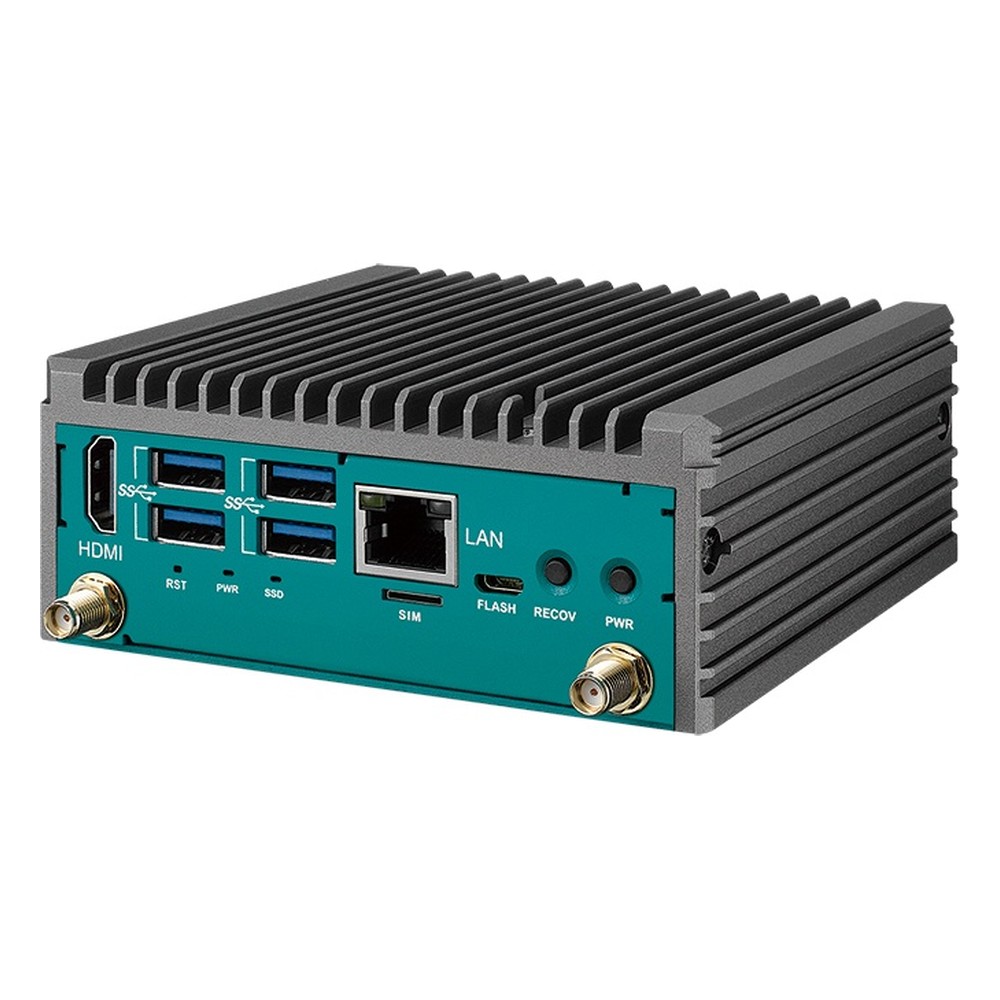
NVIDIA Jetson Orin Nano 8GB Embedded Box PC with 40 TOPS, Dual COM and -25 to 55 °C
- AI
- 40 TOPS
- SOM
- NVIDIA Jetson Orin Nano 8 GB
- Ethernet
- 1× GbE
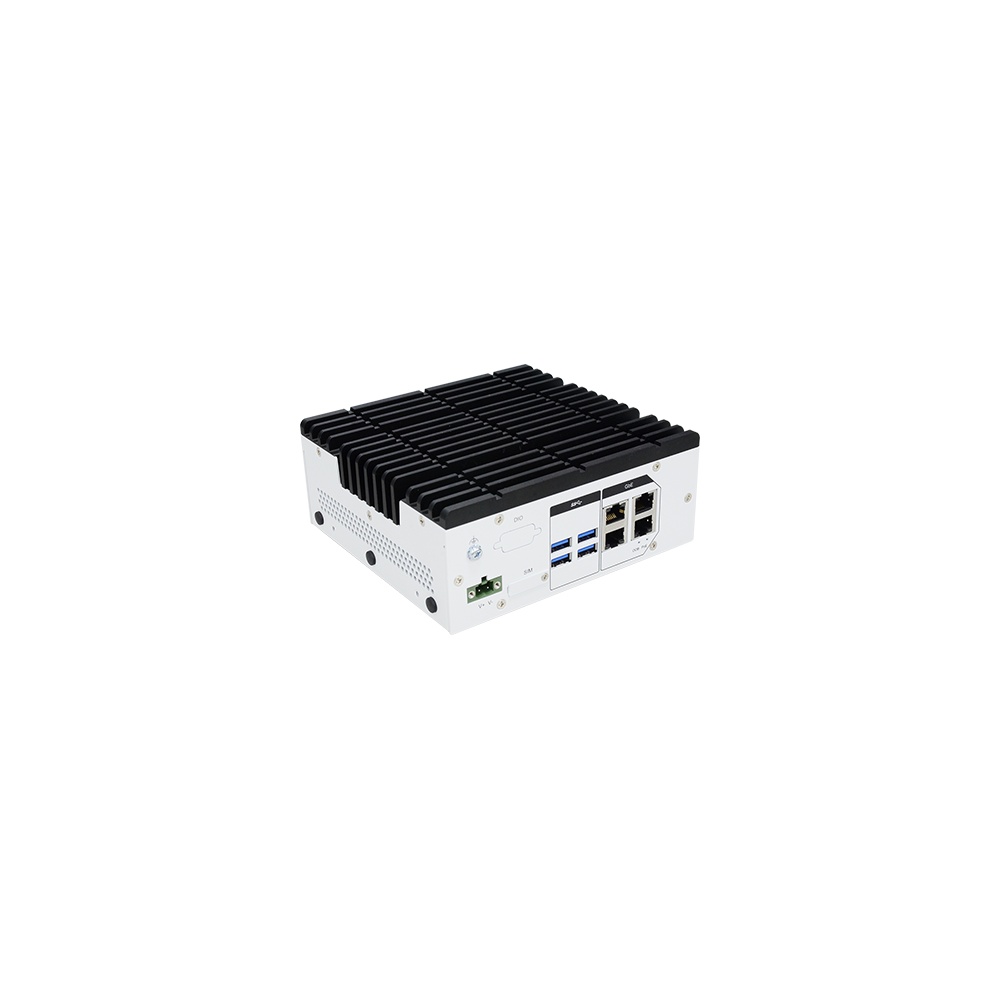
NVIDIA Jetson Orin Nano 8GB Fanless Edge AI Box PC with 2x PoE GbE
- AI
- 40 TOPS
- SOM
- NVIDIA Jetson Orin Nano 8 GB
- Ethernet
- 4× GbE (2× PoE)
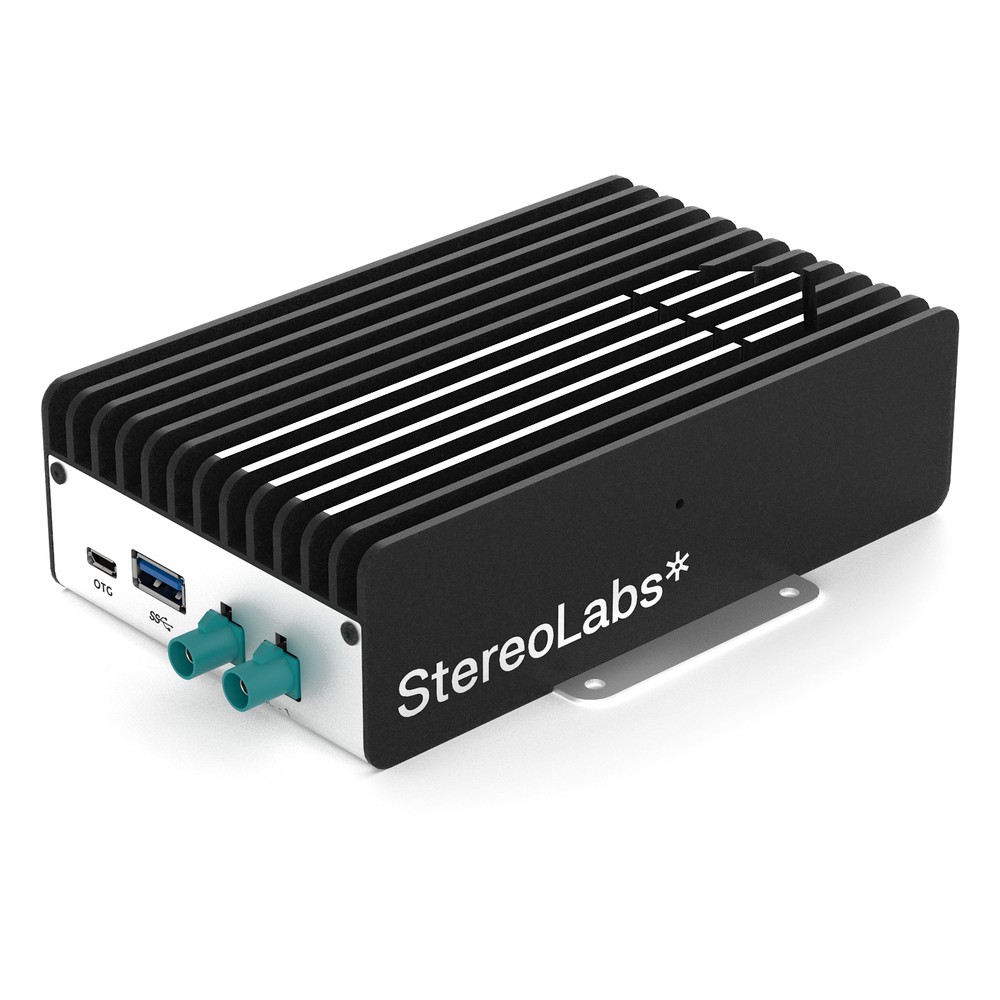
NVIDIA Jetson Orin Nano 8GB Embedded Box PC with 2x GMSL2 Cameras, 40 TOPS and Optional Wi-Fi 6
- AI
- 40 TOPS
- SOM
- NVIDIA Jetson Orin Nano 8 GB
- Cameras
- 2× GMSL
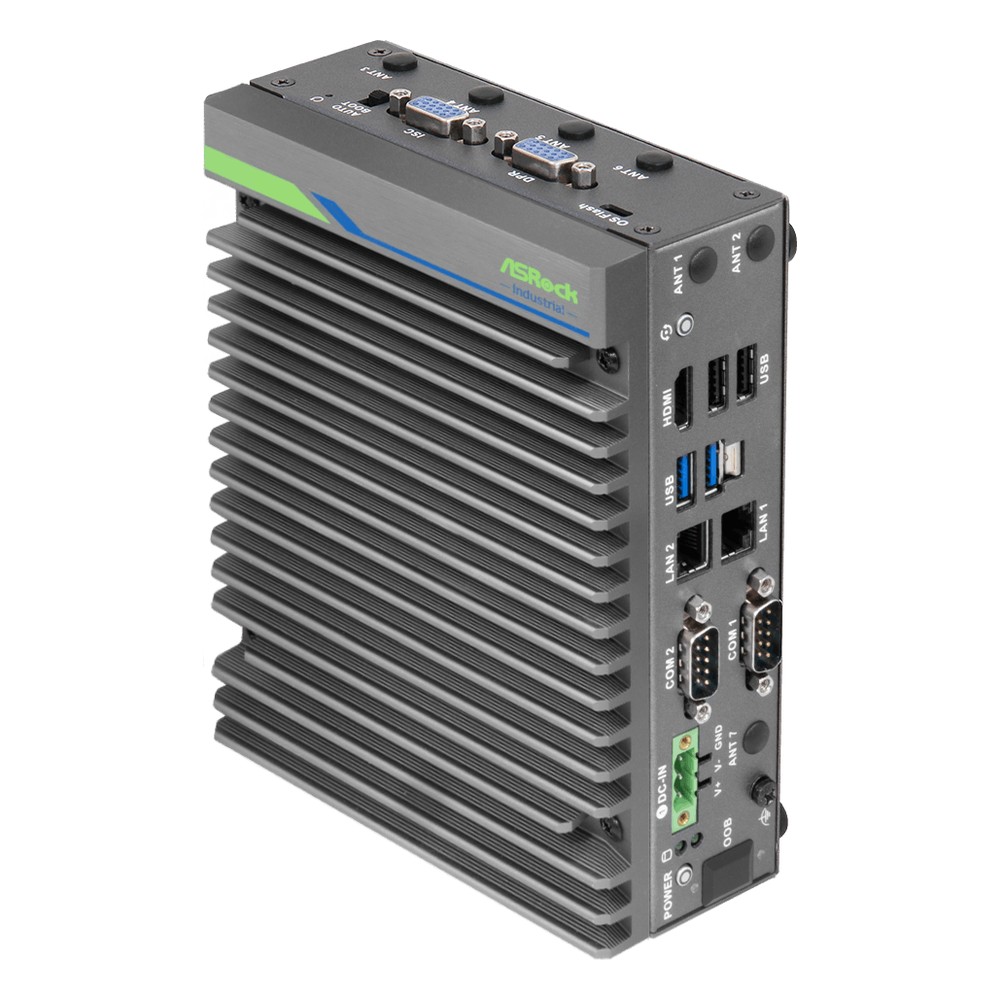
NVIDIA Jetson Orin Nano 8GB Fanless Edge AI Computer with Dual GbE and CAN
- AI
- 40 TOPS
- SOM
- NVIDIA Jetson Orin Nano 8 GB
- Ethernet
- 2× GbE
Jetson Orin Nano FAQs
-
Is the Jetson Orin Nano Super Worth It?
Yes, in almost every case, because the Super is a free software update rather than new hardware. JetPack lifts an existing Jetson Orin Nano from 40 to 67 TOPS by unlocking higher clocks and power, so deployed and new designs gain roughly 70 percent more AI performance at no hardware cost, provided the cooling handles 25 W.
-
What Is Jetson Super Mode?
Jetson Super Mode is a set of higher-power operating modes NVIDIA added for Jetson Orin Nano and Orin NX modules with JetPack 6.2. Raising clock speeds and power limits lifts AI performance substantially, for example to up to 67 TOPS on Orin Nano 8GB and up to 157 TOPS on Orin NX 16GB, on the same hardware.
-
Jetson Orin Nano vs Orin NX: What Is the Difference?
The Jetson Orin Nano delivers up to 67 TOPS in 7 to 25 W with 4 to 8 GB of memory, suited to entry-level, low-power vision. The Orin NX steps up to 157 TOPS in 10 to 40 W with 8 to 16 GB, adds deep learning accelerators and a hardware video encoder, and handles multi-camera, heavier inference.
-
What Is the Difference Between a Jetson Module and a Developer Kit?
An NVIDIA Jetson developer kit is a reference carrier board with a module fitted, meant for evaluation and prototyping. A production system uses the production module on a carrier board designed for your I/O, environment and lifecycle. The silicon and software are the same; the kit is not what you deploy.
-
How Long Is NVIDIA Jetson Supported?
NVIDIA gives Jetson modules long, published production lifecycles, which is part of why they suit industrial designs. Current Orin modules run well into the 2030s, and Industrial variants carry a ten-year production life. The exception is the older LPDDR4 generation, Xavier and TX2, which NVIDIA has brought to early end-of-life, with last-time-buy orders closing on 1 July 2026.
Planning a product around Orin Nano 2?
Tell us the model you run, the cameras and the enclosure. We will recommend an Orin Nano system to build on now, configured and imaged for your project, and plan the move to Orin Nano 2.