
 US
US 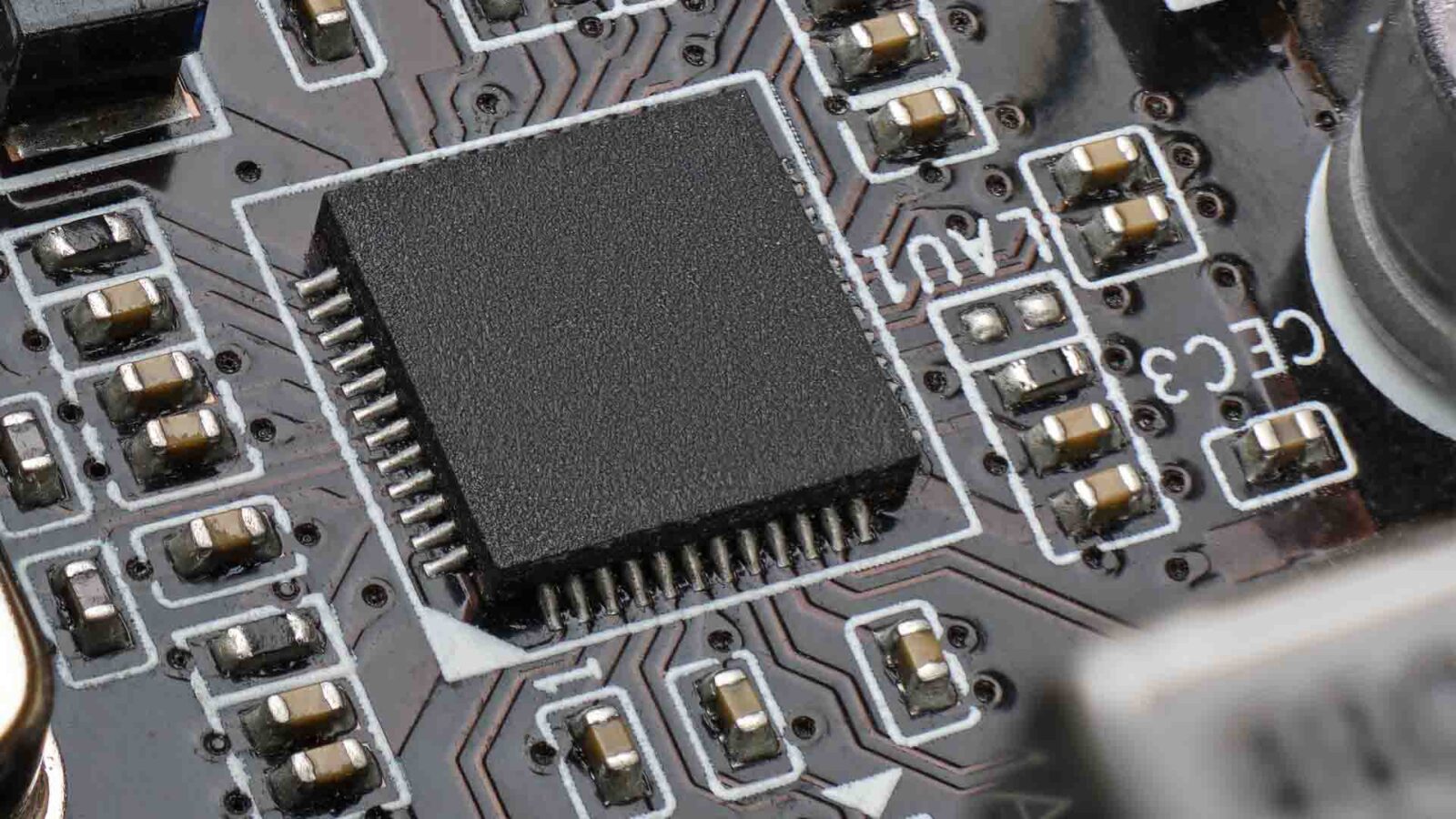
What Is a System on Chip (SoC)?
A system-on-chip packs the CPU, graphics, memory controller, I/O and often an AI accelerator onto one chip. It is how most compact, low-power embedded computers are built — and the norm for Arm platforms.
A system-on-chip (SoC) packs the major parts of a computer — CPU, graphics, memory controller, I/O and often an AI accelerator — onto a single chip. It is how most compact and low-power embedded computers are built, and it is the norm for Arm platforms. This guide explains what an SoC is, what it integrates, how it compares to a traditional discrete design, and where it fits in embedded systems.
What an SoC Is
In a traditional PC the CPU is one chip and the chipset, graphics and other functions are separate. An SoC brings them together: a single piece of silicon carrying the CPU cores, graphics, memory and storage controllers, I/O interfaces and, increasingly, an NPU for AI. Most Arm processors are SoCs by design, but x86 has them too — Intel Atom and AMD Ryzen Embedded parts are highly integrated SoCs.
What an SoC integrates
Rather than several chips on a board, an SoC puts the core functions on one die.

CPU cores
The processor cores — often a mix of performance and efficiency cores.
Graphics
An integrated GPU for display and, increasingly, compute.

Memory & I/O
Memory and storage controllers, plus the I/O interfaces the system needs.
AI accelerator
An NPU on many modern SoCs, for on-device inference.
SoC vs Discrete
The SoC trade is integration against flexibility. Putting everything on one chip cuts size, power and cost, and improves reliability — fewer components and fewer connections to fail. The cost is expandability: you generally cannot upgrade the CPU or add a discrete GPU to an SoC the way you can on a socketed desktop platform. For embedded designs, where size, power and longevity matter more than upgradeability, that trade usually favours the SoC.
SoCs in Embedded Systems
SoCs are why a gateway, an HMI or an edge-AI module can be compact and fanless. Arm-based SoCs from NXP, TI, Qualcomm and others dominate low-power devices; NVIDIA Jetson modules are SoCs that add a GPU for edge AI; and on x86, Atom and Ryzen Embedded SoCs bring integration to industrial PCs. See our guide to Arm processors for the architecture most associated with the SoC model, or to CPU generations and embedded processors for the wider picture. Many of these SoCs reach a product on a module rather than on the main board itself; how a system-on-module separates the compute from the carrier explains why that helps with upgrades and lifecycle.
Designing Around an SoC?
Tell us the workload, size and power budget, and we will recommend an SoC-based or discrete platform to suit — and supply it.