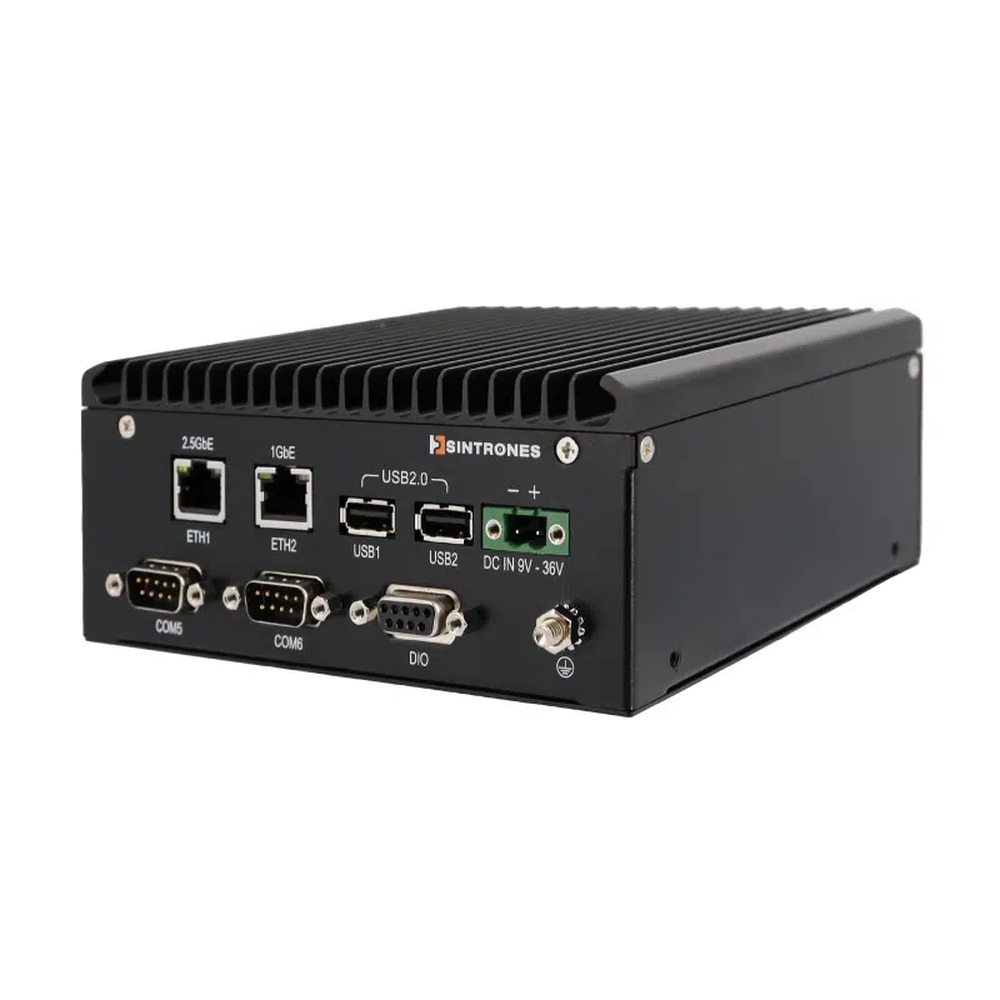
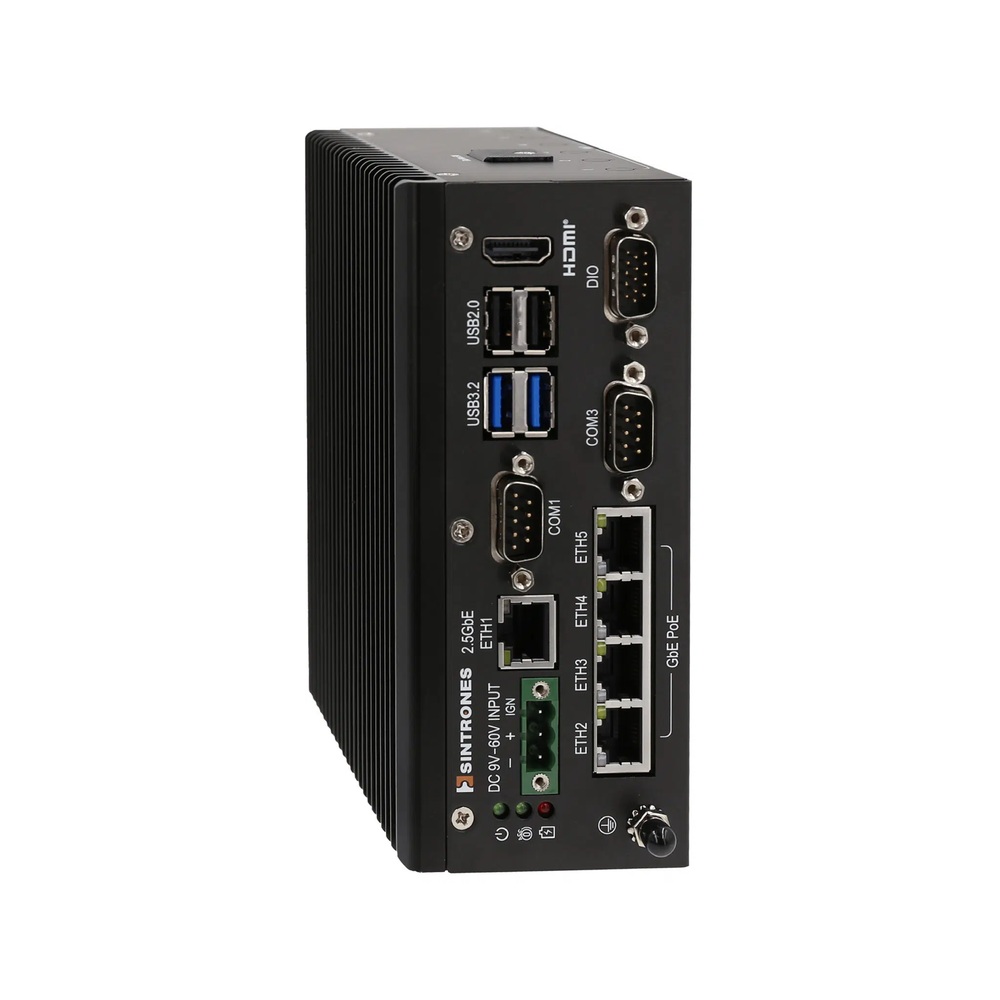
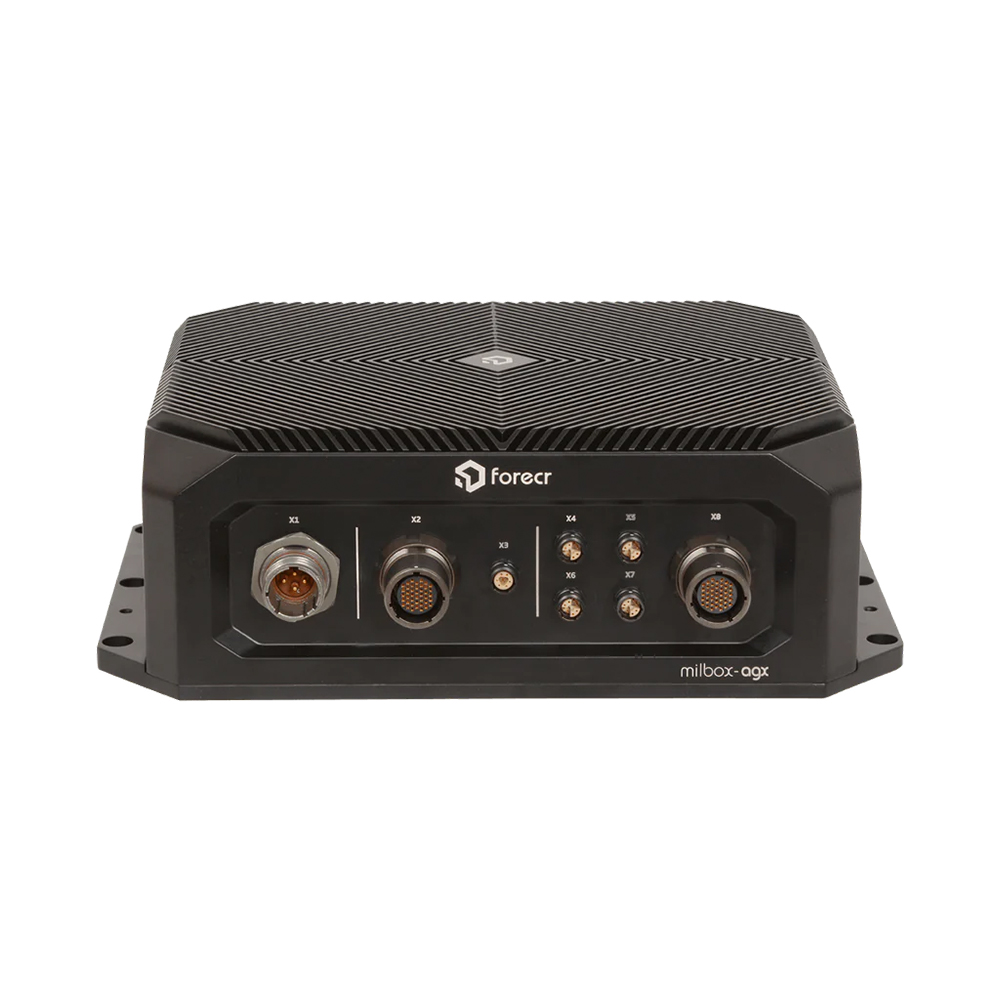
What is a rugged computer?

Built to run where standard PCs fail: the types, the standards and how to choose one.

TypeWhite paper
Published24 Jun 2022
AuthorAndrew WhitehouseCEO
Reading time20 min

A rugged computer is a computer engineered to run reliably where a standard industrial PC would fail: extreme temperature, shock and vibration, dust and water, and unstable power. “Rugged” is not one product but a class of fanless, sealed, wide-input systems built and tested to defined environmental standards.

Where an office PC expects a heated room at around 10 to 35 °C, a rugged PC typically runs from −40 to 70 °C, takes 9–48 V DC straight from a vehicle supply and comes with test reports for shock, vibration and ingress.

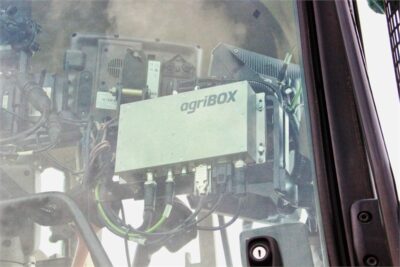
Typical deployments include in-vehicle and transport systems, harsh manufacturing such as steel and foundry floors, outdoor cabinets, and field equipment far from any climate-controlled room.

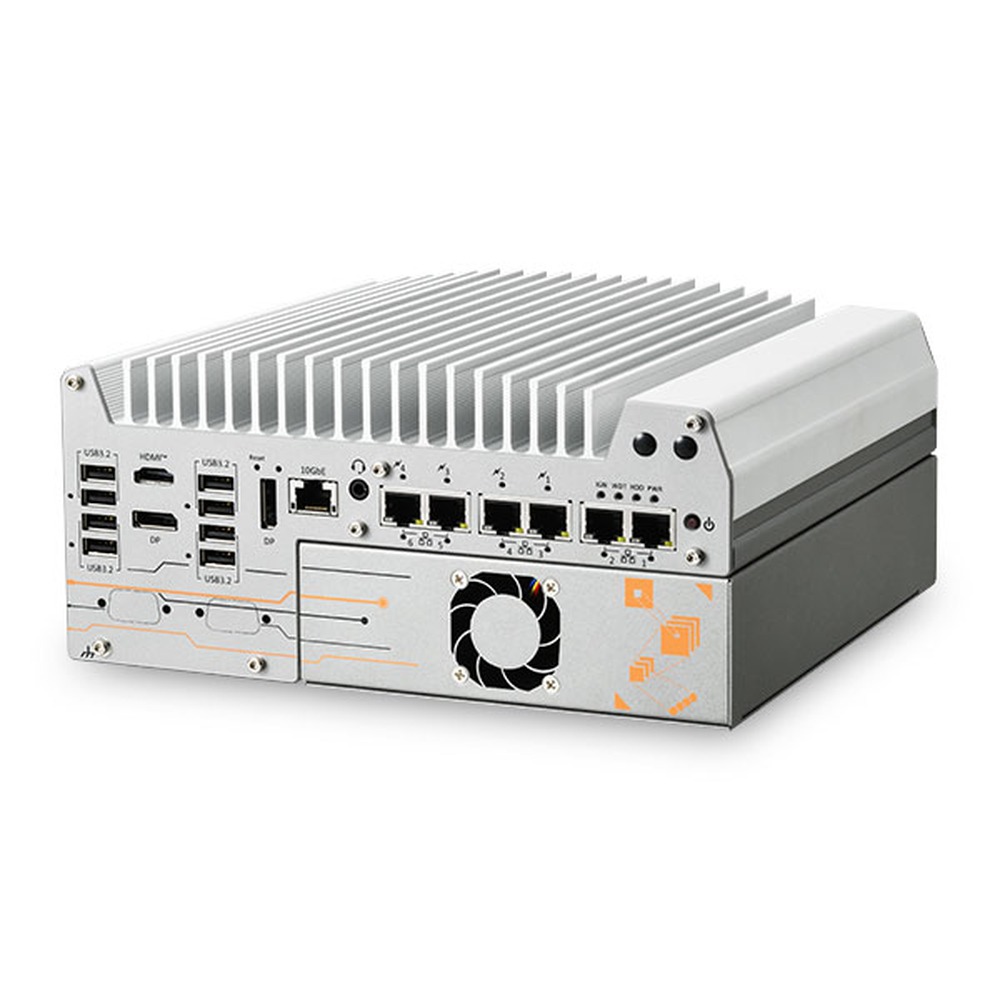
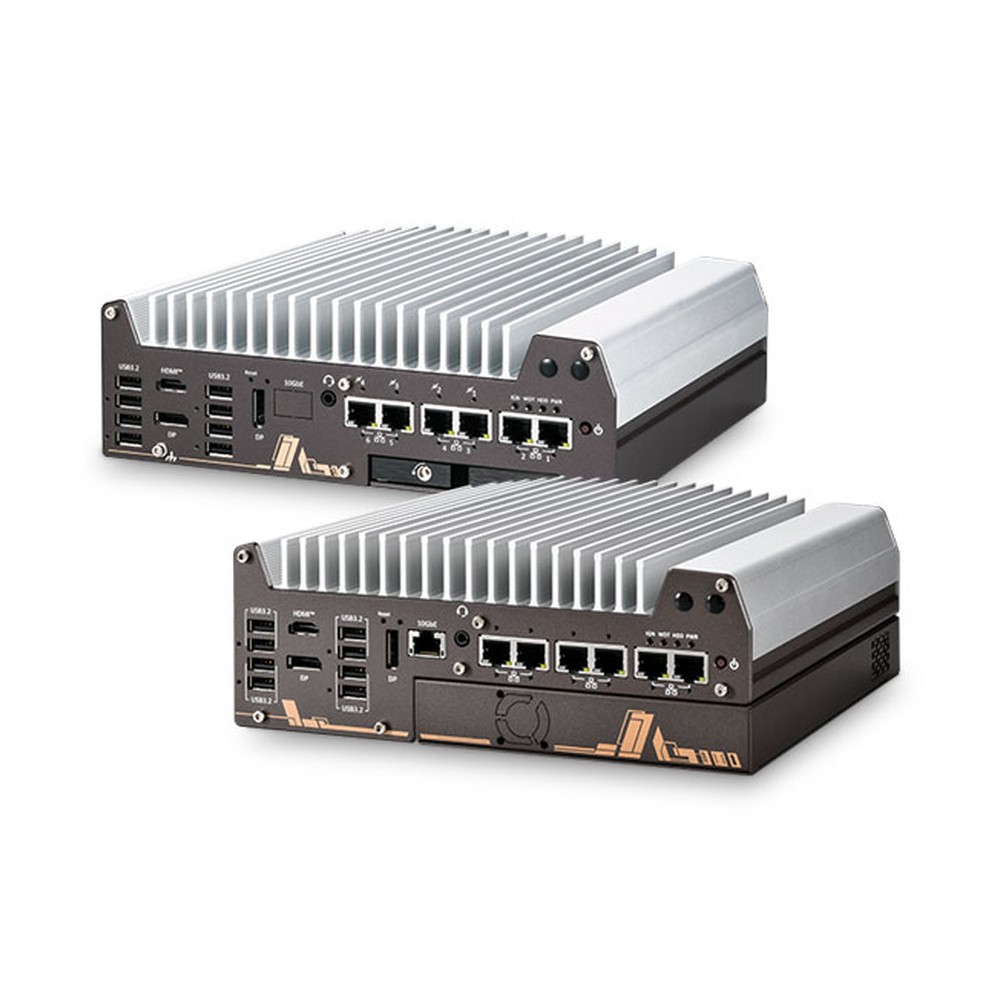
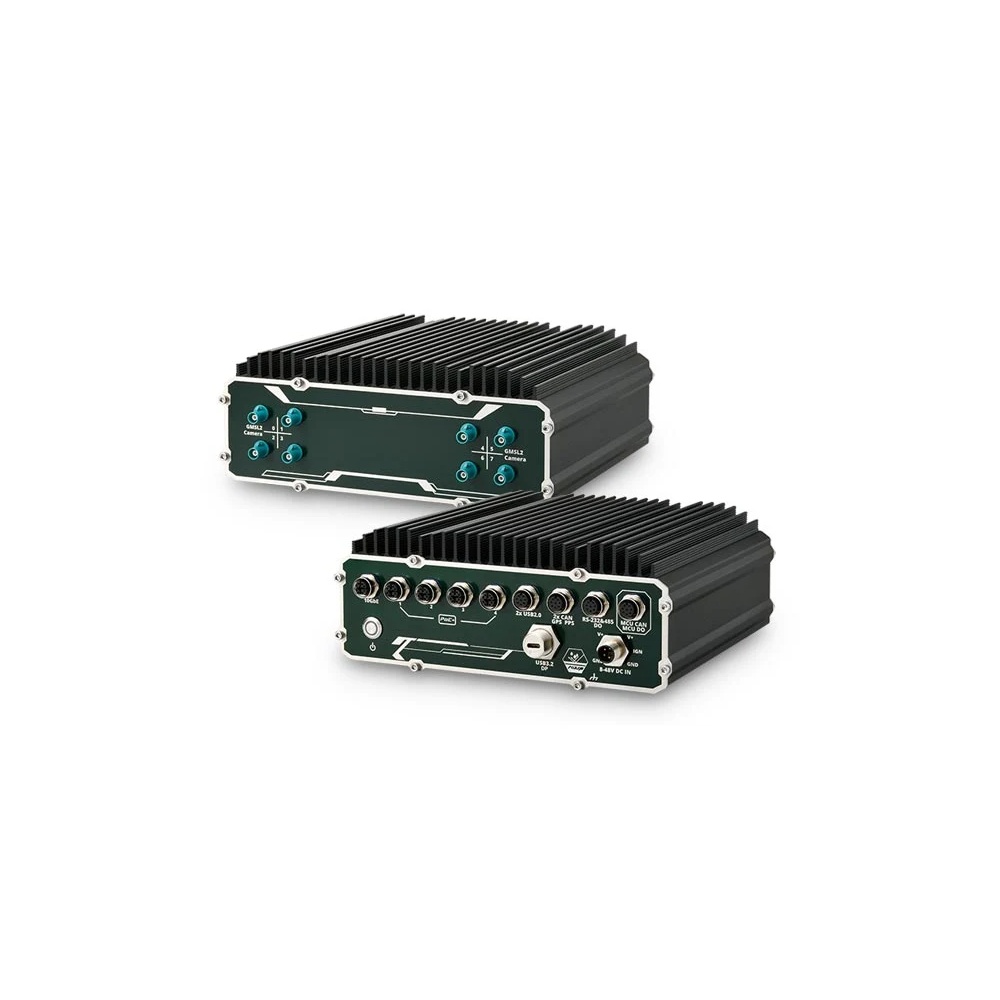
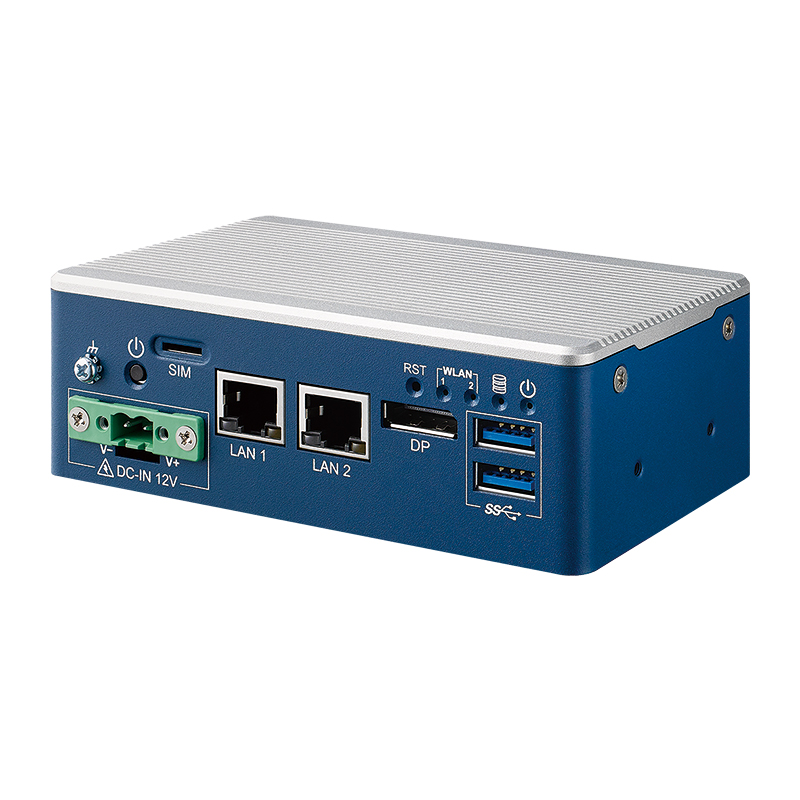
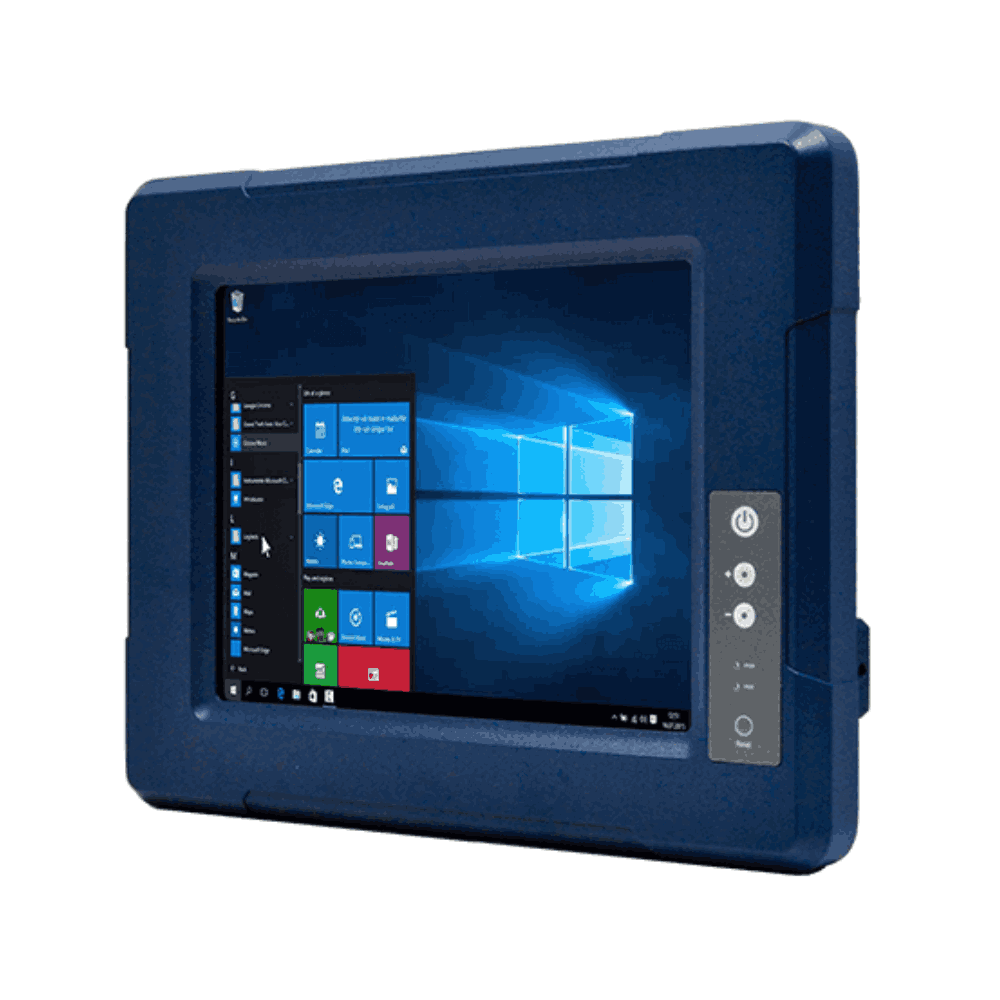
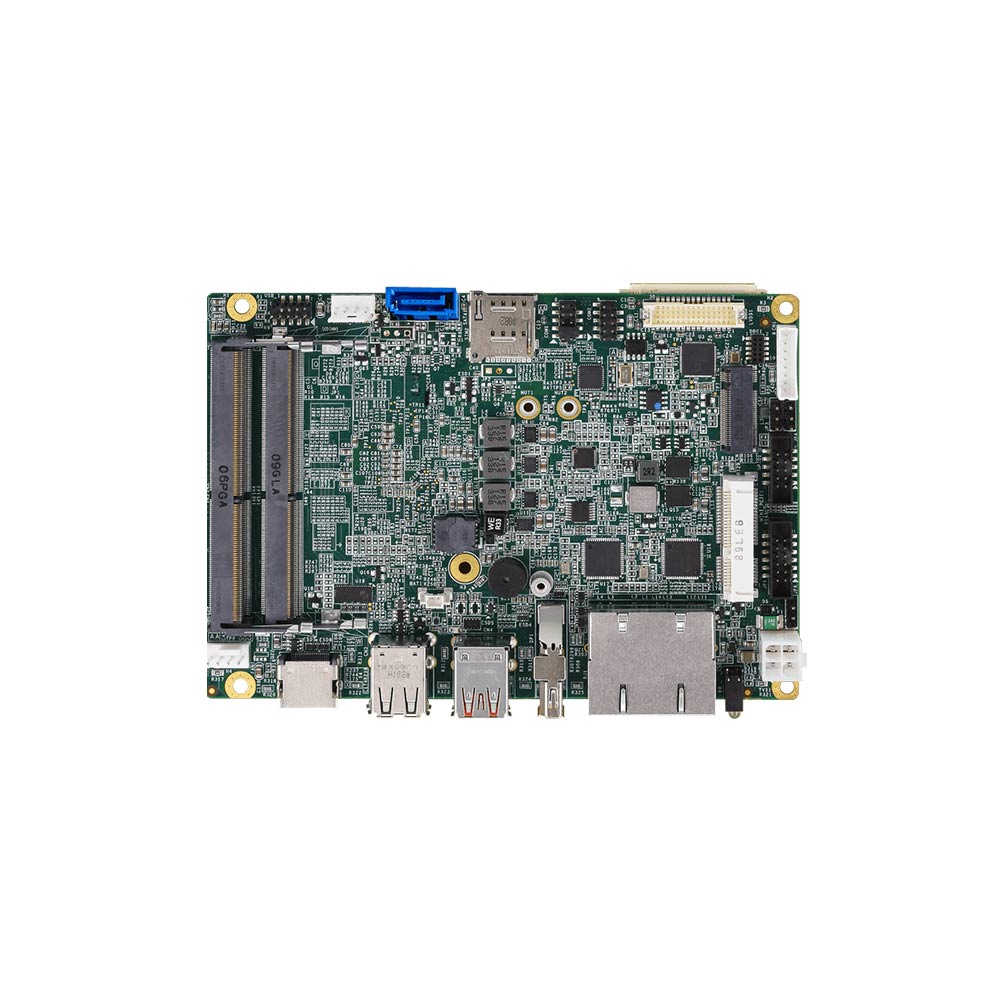
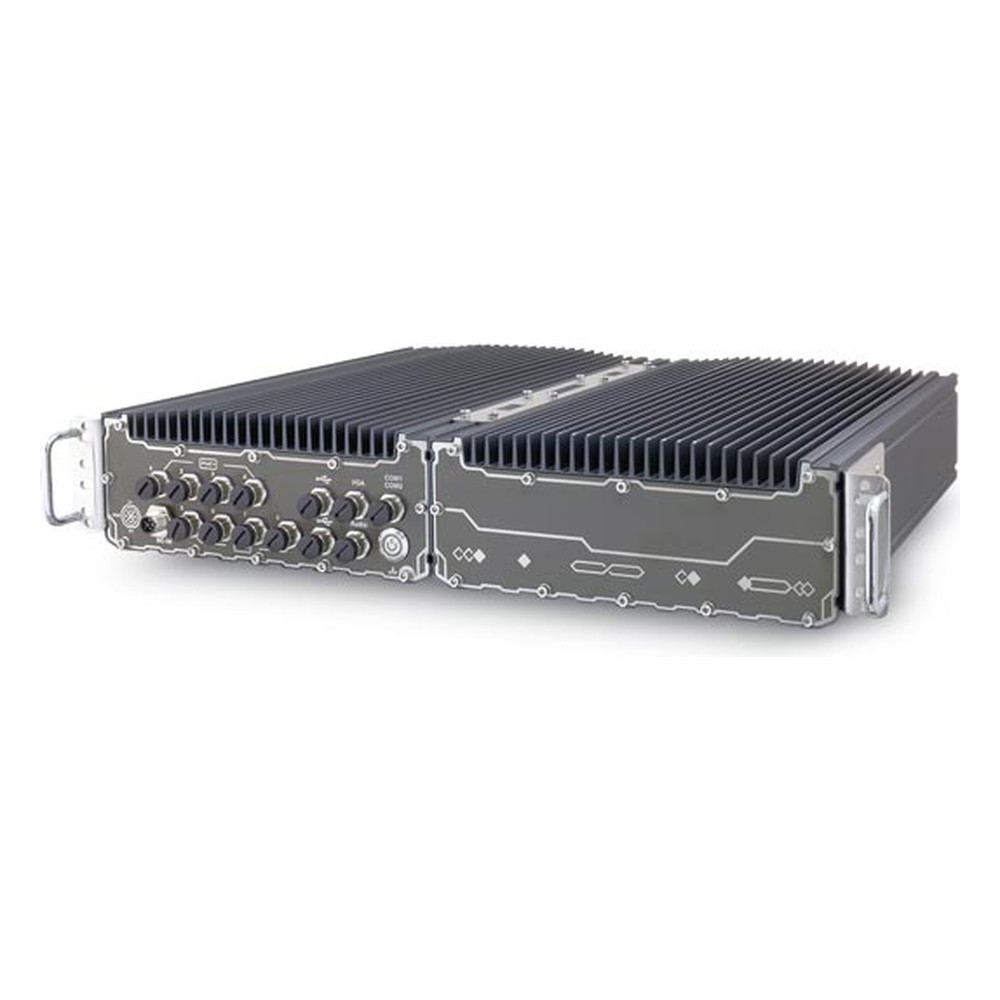
Things Embedded specializes in rugged systems for industrial, in-vehicle and defense deployment: box PCs, panel PCs, GPU computers and board-level systems, rather than rugged laptops or tablets. Every system is configured and tested before it ships.

Recent launches show the range in practice: the RCO-1000-EHL rugged Intel Atom mini PC, the compact, fanless Neousys Nuvo-11531 for edge AI and our pick of the best rugged industrial computers for 2026.

If you are deciding between the two classes, where a rugged embedded computer earns its place over an industrial one sets out the design differences.


Key points · 4 points

Key takeaways

01Built for harsh conditions
Runs reliably through temperature extremes, shock, vibration, dust, water and unstable power that would stop a standard industrial PC.
02Fanless and sealed
Most rugged systems are passively cooled and sealed, removing the fan and vents that fail first in dusty or wet environments.
03Tested to standards
Ruggedness is defined, not claimed: look for MIL-STD-810, IP ingress ratings, E-Mark and EN 50155 against your deployment.
04Specified for the long term
Industrial lifecycles outlast consumer hardware, so wide-temperature components and last-time-buy planning matter as much as raw performance.
Key features · 5Features

What sets a rugged computer apart

A few engineering choices separate a rugged computer from a standard industrial PC. These are the ones that matter most when you are scoping a system for a demanding environment.

Wide operating temperature

Most industrial PCs are rated for 0 to 50 °C. A rugged computer typically runs from −25 to 70 °C, and often −40 to 85 °C, so it keeps working in unheated cabinets, vehicles and outdoor enclosures where climate control is not an option.

The storage and memory you specify matter as much as the chassis: industrial-temperature SSDs and memory are what let the whole system start at −40 °C, and some designs add a heater that warms the board before it boots. See what the industrial temperature range covers.

Shock and vibration resistance

Equipment mounted in vehicles, on machinery or in transit sees repeated mechanical shock that can work connectors and components loose over time. Rugged computers are tested against standards such as MIL-STD-810, UNECE Reg. 10 (E-Mark) and EN 50155.

Inside, cable-free board designs, solid-state storage and secured memory keep components seated. Outside, locking USB, Ethernet, serial, CAN and power connectors, or M12 circular connectors, hold the connection under vibration.

Sealing against dust and water

A fanless, sealed design removes the most common failure point in dusty environments: the fan and its vents. Where water is a factor, ingress protection typically runs from IP65 for rain, to IP67 for temporary submersion, to IP69K for high-pressure washdown, usually paired with M12 or hooded connectors to keep moisture out.

Sealing keeps water out but cannot stop condensation forming inside on a cold start. Where that is a risk, conformal coating on the circuit boards protects them from moisture and corrosive air.

Wide DC power input

Vehicle and field power is rarely clean. A wide 9–48 V DC input absorbs the dips and surges a fixed 12 or 24 V supply would not tolerate.

Ignition control allows a timed start-up and shutdown with the vehicle’s ignition to protect data and the operating system, and railway builds add galvanically isolated power and EMC to the requirements of EN 50121-3-2.

Long-term availability

Industrial projects outlast consumer hardware cycles. When a component is discontinued, a whole system can need re-validation, which is costly and slow.

We plan around embedded CPU roadmaps and last-time-buy, and offer like-for-like or a clear upgrade path, so the system you specify today still has a home in several years. Ask for revision control, so a replacement is the same validated build.

Features

IP ratings for rugged computers

The IP code has two digits: the first grades protection against solids such as dust, the second against water. Above 6 the water digits are not cumulative, so an IP67 enclosure is not automatically suitable for jet washing.

Rating Protection Where it is used
IP54 Dust-protected; splashing water from any direction Front panels and indoor cabinets
IP65 Dust-tight; low-pressure water jets Outdoor cabinets, machine-side, rain
IP66 Dust-tight; powerful water jets Heavy rain, deck equipment, hose-down
IP67 Dust-tight; immersion to 1 m for 30 minutes Vehicles, flood-prone and outdoor sites
IP69K Dust-tight; close-range, high-pressure, high-temperature washdown Food processing, agricultural and vehicle washdown

For the detail on each rating, see our FAQs on IP65, IP66, IP68 and IP69K.

Standards

MIL-STD-810H methods to look for

MIL-STD-810H is a set of tailored test methods, not a pass mark. A credible datasheet names the methods and procedures a system passed; “MIL-STD-810 compliant” on its own says little. These are the methods most relevant to rugged computers.

Method Test What it simulates
500.6 Low pressure Altitude and air transport
501.7 High temperature Sun-loaded vehicles and enclosures
502.7 Low temperature Cold starts and cold storage
503.7 Temperature shock Moving between heated and frozen spaces
507.6 Humidity Tropical and condensing conditions
510.7 Sand and dust Desert, quarry and unpaved sites
514.8 Vibration Road, rail, rotor and engine vibration
516.8 Shock Drops, impacts and crash loads

For what changed between revisions, see MIL-STD-810G vs MIL-STD-810H.

Specify · 6 checksRugged computer

How to choose a rugged computer

Work through these six questions and the shortlist tends to fall out.

  1. 01

    Environment

    Temperature range, ingress protection, shock and vibration. The environment sets the floor.

  2. 02

    Power

    Supply voltage, ignition behavior and any isolation requirement, from 12 V vehicle supplies to 110 V rail.

  3. 03

    Certification

    Any sector standard the deployment demands: EN 50155 for rail, E-Mark for road vehicles, MIL-STD-810 for defense.

  4. 04

    Performance

    The compute the application needs, including CPU, memory and whether it needs a GPU for edge AI or vision. Specify for the workload, not the headline.

  5. 05

    Expansion

    The I/O the deployment requires: serial, CAN, isolated DIO, PoE, cellular and storage. Rugged systems are often defined by their I/O as much as their processor.

  6. 06

    Lifecycle

    How long the system must stay available and supported. Ask about embedded CPU roadmaps and last-time-buy.

Rugged projects rarely fail on the processor. They fail on a detail nobody specified: a cold start, the ignition behavior, a connector that works loose. Tell us the environment and your I/O list and we’ll recommend a tested system.

Andrew WhitehouseCEO, Things Embedded
Speak to a solution architect
06FAQs

Rugged computer FAQs

  1. What Is the Industrial Temperature Range?

    The industrial temperature range is −40 to 85 °C: the grade an electronic component must operate across to be called industrial, compared with 0 to 70 °C for commercial parts. Rugged computers built from industrial-grade components typically run from −25 or −40 °C up to 70 °C as a complete system.

  2. What does IP67 mean?

    IP67 means an enclosure is dust-tight and protected against temporary submersion in water up to 1 meter deep for 30 minutes. It is the standard rating for field-deployed equipment that might be briefly immersed — agricultural sensors, military field hardware, marine bilge installations — equivalent to NEMA 6 in North American markets.

  3. What does IP69K mean?

    IP69K means an enclosure is dust-tight and protected against high-pressure, high-temperature water jets per DIN 40050-9 — 80°C water at 8—10 MPa from close range. It is the food and beverage industry standard for sanitary wash-down on both sides of the Atlantic — and it does NOT imply submersion protection.

  4. What Are the Advantages of Fanless Computers?

    Fanless computers cool themselves passively, through a finned heatsink chassis and heat pipes, instead of a fan. With no moving parts and no airflow drawing in dirt, they are more reliable in dusty or vibrating places, completely silent, low maintenance and easy to seal, which is why they are the standard choice for industrial and embedded use.

  5. MIL-STD-810G vs MIL-STD-810H: What Is the Difference?

    MIL-STD-810G (2008) and MIL-STD-810H (2019) are successive revisions of the US military environmental test standard. 810H is the current version; it refined and reorganised test methods and tightened guidance, but both define test methods rather than a pass or fail certificate.

  6. What Is Conformal Coating?

    Conformal coating is a thin protective film, tens of microns thick, applied over an assembled circuit board so that it follows the shape of the components. It protects the electronics from moisture, condensation, dust, salt and chemicals, and is common on rugged computers, vehicle electronics and boards used outdoors.

  7. What Is an IK Rating?

    An IK rating grades how well an enclosure resists mechanical impact, from IK00 (no protection) to IK10, which withstands a 20 joule impact. It is defined by IEC 62262 (EN 62262) and is used alongside the IP rating to specify displays, panel PCs and enclosures for public and industrial sites.

// Next Step

Need help choosing a rugged system?

Tell us the environment, power input, I/O list and how long you need it supported, and a member of our team will recommend a starting point.

Phone · USA +1 407 214 9446