
 UK
White Papers
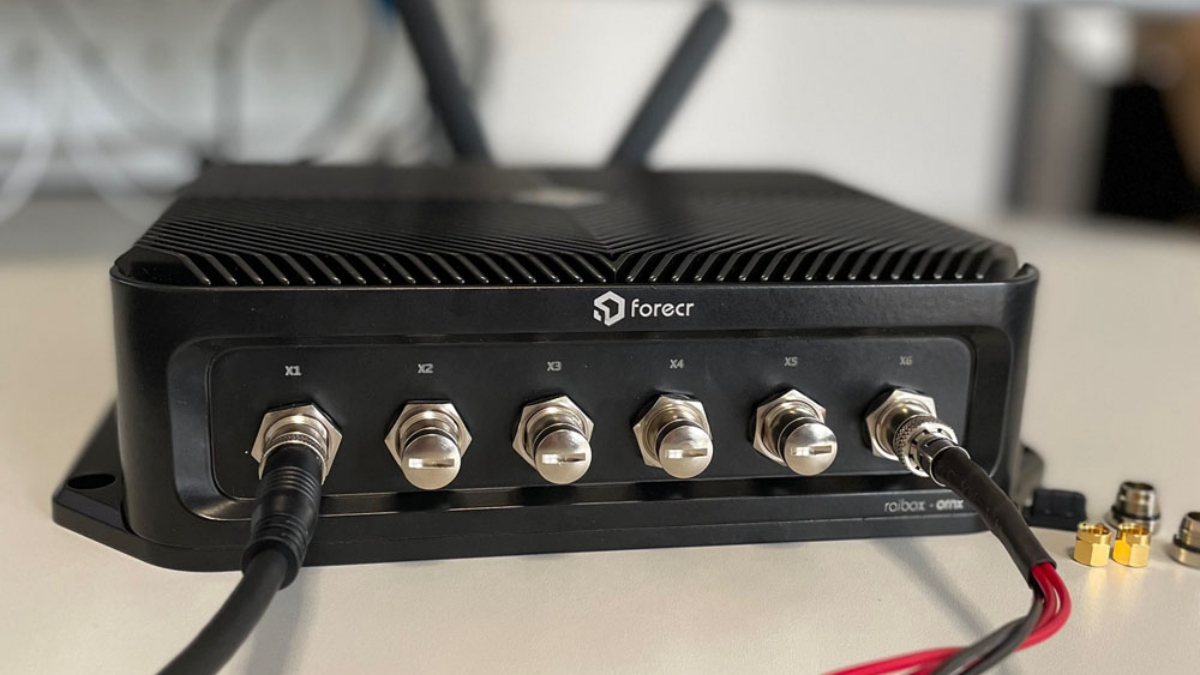
What is an embedded computer?
An embedded computer is a computer built into a larger machine or system to do one defined job. This guide covers how it differs from a desktop PC, the main types, where they are used and how to choose one.

Windows 11 IoT Enterprise LTSC 2024: Editions, Licensing and Support Dates
Windows 11 IoT Enterprise LTSC is the ten-year edition of Windows 11 for fixed-purpose devices. This guide compares it with the other editions and covers support dates, hardware requirements, licensing tiers, lockdown features and imaging.
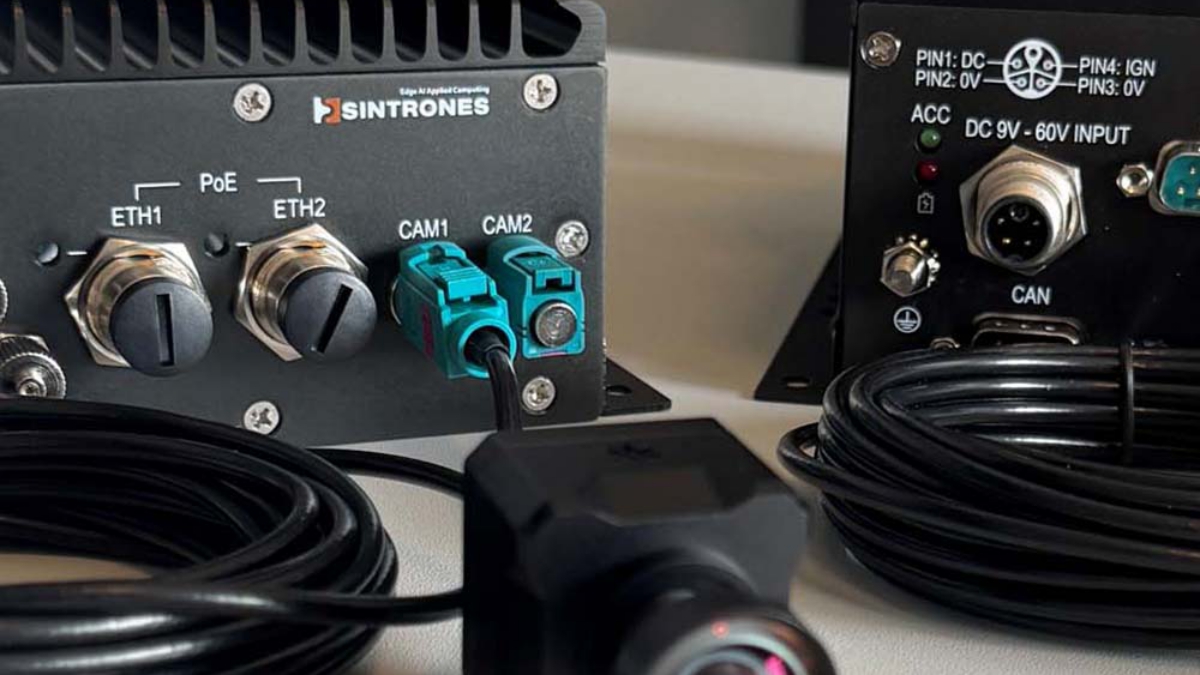
GMSL3 vs GMSL2: Understanding GMSL Technology for Industrial Edge AI
GMSL3 explained: how it doubles GMSL2 to 12 Gbps, bandwidth per camera, backward compatibility, cable reach, Jetson Orin and Thor support, and what makes GMSL integration hard.
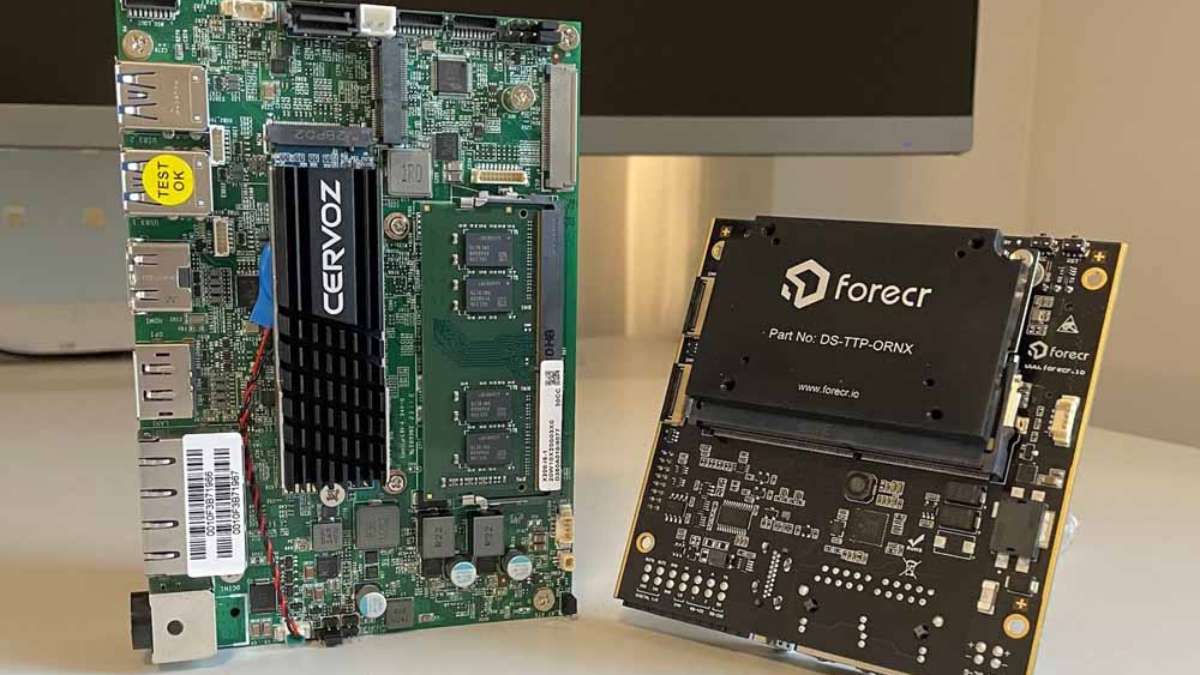
Choosing an Embedded Motherboard or Single Board Computer
An embedded motherboard is the board-level computer inside a machine or device. This guide compares embedded motherboard and SBC form factors, embedded vs consumer boards, processor families and what to check before choosing one.

10 Gigabit Ethernet for Edge AI: Why 2.5GbE Is No Longer Enough
10 Gigabit Ethernet gives edge AI systems four times the bandwidth of 2.5GbE. This guide compares Ethernet speeds, 10GBASE-T and SFP+, the cabling and host each needs, and when multi-camera and multi-node AI justify 10GbE.

The GMSL Camera Interface: Integrating Stereolabs ZED X with NVIDIA Jetson
How the GMSL camera interface connects a Stereolabs ZED X to an NVIDIA Jetson: GMSL vs MIPI, GigE and USB, cable reach, which Jetson systems support GMSL cameras, and the board support work.

AI Predictive Maintenance: How Edge AI and IoT Predict Machine Failures
AI predictive maintenance uses sensor data and machine learning to forecast machine faults before they stop production. This guide covers the sensors, the edge and cloud split, model types, integration with OPC UA, MQTT and Modbus, and the hardware to run it.

NVIDIA Jetson Modules Compared: Orin Nano vs Orin NX vs AGX Orin vs Thor
Jetson modules run from the 7 W Orin Nano to the 130 W Jetson T5000. This guide compares all nine current modules side by side, then covers sizing, Thor vs AGX Orin, carrier compatibility, industrial modules and lifecycle.

PoE Budget for Multi-Camera Edge AI: How to Calculate It
A PoE budget is the total power a switch or PoE computer can share across its ports. This guide shows how to calculate it for multi-camera edge AI, with three worked examples, cable and supply losses and how allocation works.

Supercapacitor vs Battery UPS: Ride-Through and Safe Shutdown for Vehicle and Rail Computers
A supercapacitor UPS carries a vehicle or rail computer through supply dips and shuts it down cleanly when the power does not return. This guide compares supercapacitors with Li-ion and lead-acid batteries and covers EN 50155 hold-up, sizing, shutdown signalling and integration.

PoE in Surveillance and NVR Systems
A PoE NVR records IP cameras that take power and data from one cable. This guide compares PoE NVRs, NVRs, DVRs and PoE edge computers, and shows how to size the PoE budget, bandwidth and storage for an industrial site.

Managed vs Unmanaged Industrial Ethernet Switches: A Selection Guide
An unmanaged switch is plug-and-play; a managed switch adds VLANs, QoS, redundancy, monitoring and security. This guide compares managed, smart and unmanaged industrial switches and shows when each is the right choice.

Layer 2 vs Layer 3 Switches: What’s the Difference and When You Need Layer 3
A Layer 2 switch forwards frames by MAC address within one network; a Layer 3 switch also routes IP between VLANs and subnets in hardware. This guide compares both with a router and shows when you need Layer 3.

Time-Sensitive Networking (TSN): A Guide to Deterministic Ethernet
Time sensitive networking (TSN) is a set of IEEE 802.1 standards that give standard Ethernet bounded, guaranteed latency. This guide covers the standards, how the time-aware shaper works, TSN vs PTP and fieldbus, and the hardware every hop needs.

OEM Ethernet Switch Modules: Board-Level Switching for Integration
An OEM Ethernet switch is a managed switch built into your own product as a board-level module or board. This guide compares modules, boards, boxed and custom switches, carrier design, features and OEM vs ODM.

PCIe Generations and Bandwidth: Gen 3 to Gen 7 Explained
PCIe bandwidth doubles with each generation, from about 1 GB/s per lane at PCIe 3.0 to about 15 GB/s at PCIe 7.0. This guide covers every generation’s speed, encoding and lane bandwidth, plus slots, bifurcation, connectors, retimers, heat and how to choose for an edge build.

How a Military Ethernet Switch Is Built
A military Ethernet switch is a managed switch built to MIL-STD-810, MIL-STD-461 and MIL-STD-1275 or 704. This guide covers the standards, the power, connectors and features, and how Diamond Systems builds them.

NVIDIA Jetson Xavier & TX2 End-of-Life: Last-Time-Buy and Migration to Orin
Jetson Xavier end of life explained: which Xavier and TX2 modules are affected, the last-time-buy and last-ship dates, the Orin successor for each and how to plan the migration.

What Is MTBF? Mean Time Between Failures for Industrial Computers
MTBF is the average operating time between failures across a population of systems. This guide explains how it is calculated and predicted, how it converts to failure rate and availability, why it is not a lifetime and what raises it in an industrial computer.

What Is Thermal Throttling? Why Computers Slow Down When They Get Hot
Thermal throttling is a processor cutting its clock speed to protect itself when it reaches its temperature limit. This guide explains the triggers, how to spot and measure it, SSD and GPU throttling, and how to size a fanless system that holds its speed.

TAA-Compliant NVIDIA Jetson: Country of Origin and Part Numbers Explained
TAA compliance for NVIDIA Jetson comes down to the part number and where the module was built. What TAA requires, the USA and Taiwan origin SKUs and how compliance carries to a system.

Active vs Passive Cooling for Computers
Active cooling moves heat with fans and blowers while passive cooling relies on heatsinks, heat pipes and conduction. This guide compares capacity, noise, dust, sealing and reliability, and how to choose for an industrial computer.

What Is NVIDIA Jetson? The Edge AI Platform Explained
NVIDIA Jetson is NVIDIA’s family of compact AI computers for the edge: a GPU, Arm CPU and memory on one module with the JetPack software. This guide covers the lineup, hardware, software, generations and uses.

CPU Generations and Embedded Processors Explained
An embedded processor is built into a device to do one job for years. This guide covers the types of embedded processor, what a CPU generation signals, Intel, AMD, Arm and Jetson naming, embedded vs consumer parts and how to choose one.

x86 vs Arm: Architectures Compared for Industrial and Embedded Systems
x86 vs Arm for industrial and embedded systems: CISC vs RISC, power, software and drivers, emulation, boot and long-term maintenance, the processor families on industrial boards and how to choose.

DDR4 vs DDR5: What’s the Difference for Industrial Computing?
DDR4 vs DDR5 compared for industrial computing: data rates, sub-channels, on-die ECC, latency and bandwidth, LPDDR5 and module types, which processors use which memory, and temperature grades and lifecycle.

What Is Arm Architecture? Arm Processors in Embedded and Industrial Systems
Arm architecture is a RISC instruction set licensed to chip makers. This guide covers the licensing model, Armv7 to Armv9, Cortex-A, R and M profiles, Arm chips in industrial boards, software, security and when Arm fits.

What Is Intel Core Ultra? Series 1, 2 and 3 Explained
Intel Core Ultra is Intel’s tiled processor line with an NPU for AI on every chip. This guide covers Series 1, 2 and 3, the naming, Core Ultra vs Core i7, NPU and platform TOPS, and Core Ultra in industrial and edge systems.

What Is a Jetson Carrier Board? How to Choose the Right One
What is a carrier board? The board a Jetson module plugs into for power, I/O and form factor. Which module fits which carrier, carriers compared, custom vs off-the-shelf and how to choose.

What Is an NPU? Neural Processing Units for Edge AI
What is an NPU? A neural processing unit is the part of a processor built to run AI models efficiently. This guide covers how NPUs work, which chips have one and how fast, how they compare with CPUs and GPUs and when an edge system needs one.

What Is a System on Chip (SoC)?
A system on chip puts the CPU, graphics, memory controller, I/O and often an NPU on one chip. This guide covers what is inside an SoC, tiles and chiplets, SoC vs CPU, SoM and microcontroller, examples and choosing an SoC platform.

AMD EPYC 8004 for Edge Servers: EPYC Embedded 8004 (Siena) Explained
AMD EPYC 8004 (Siena) for edge servers: the specification, what EPYC Embedded 8004 adds, how it compares with EPYC 4004, 9004, Xeon and Ryzen Embedded, and how it powers edge AI servers.

NPU vs GPU: Which for Edge AI?
NPU vs GPU for edge AI: throughput and TOPS, power and cooling, precision, software and porting effort, and a workload table for choosing an NPU, a Jetson or a GPU computer, or both.

What Is a System-on-Module (SoM)?
A system on module packs the processor, memory and storage onto one small board that plugs into a carrier. This guide compares SoMs with SoCs and SBCs, sets out the module standards and Jetson, and covers carrier design and how to choose.

NVIDIA Jetson Orin Nano Super: What the 67 TOPS Update Means
The Jetson Orin Nano Super is the Orin Nano running JetPack 6.2’s Super modes, lifting the 8GB module from 40 to 67 TOPS on the same silicon. This guide covers the original vs Super figures, power, upgrades, workloads and production systems.

The ZED ROS2 Wrapper on NVIDIA Jetson: Setting Up a ZED X Robotics Stack
The ZED ROS2 wrapper turns a Stereolabs camera into ROS 2 depth, point cloud and odometry topics. How the stack fits together on a Jetson, which ROS 2 release to use and how to take it into production.

Jetson Orin NX vs AGX Orin: Which Module to Choose
Orin NX vs AGX Orin: two tiers of the same Jetson generation. Specs side by side, memory and I/O, the 16GB vs 32GB close call, carriers, cooling and worked examples.

What Is NVIDIA JetPack? The Jetson Software Stack Explained
NVIDIA JetPack is the software kit that turns a Jetson into a working AI computer. What is inside it, JetPack vs L4T, versions by module, installing and updating, and production images.

What Does Medical Grade Mean? IEC 60601-1, Certification and Cleaning for Computers
Medical grade has no single legal definition, but for a computer it usually means designed and tested to IEC 60601-1 for use near patients. This guide covers the standards, the patient environment, certified vs compliant, regional marks, cleaning and what to check before you buy.

Global Shutter vs Rolling Shutter: Choosing a Camera for Robotics and Machine Vision
Global shutter vs rolling shutter for robotics and machine vision: how each sensor reads a frame, the rolling shutter effect and how to calculate it, noise, sensors and which to choose.

NVIDIA Jetson for Drones: Choosing an AI Companion Computer
A Jetson drone computer is an NVIDIA Jetson module that flies beside the flight controller as an AI companion computer. This guide covers module choice, SWaP, the flight-controller link, sensors, power and heat.

PC/104 Bus Variants Explained: PC/104, PC/104-Plus, PCI-104, PCIe/104 and PCI/104-Express
PCIe/104 is the PCI Express version of PC/104, one of five bus variants on one footprint. This guide explains each bus, Type 1, Type 2, Universal and OneBank connectors, stacking rules and how to choose.

OPC UA vs MQTT: Protocols for IIoT Gateways and Industrial Data
OPC UA describes machine data and gives secure access to it; MQTT moves messages through a broker. This guide compares the two, covers Sparkplug B and the unified namespace, and sets out gateway architectures, security and the hardware to run them.

Robot Computer Guide: Choosing Onboard Compute for AMRs, Humanoids and Cobots
A robot computer is the onboard computer that runs a robot’s perception, planning and AI models. This guide covers the compute stack, sensor I/O, Jetson Orin, Jetson Thor and IGX, safety, power and sizing for AMRs, humanoids and cobots.

SMARC vs Qseven vs OSM vs COM Express: Computer-on-Module Standards Compared
SMARC, Qseven, OSM, COM Express and COM-HPC compared: module sizes, connectors, processors, power and interfaces, plus carrier board design, migration paths, lifecycle and how to choose a standard for an embedded product.

IEC 62443-4-2 Hardware Security Checklist for OT Edge Devices
IEC 62443-4-2 explained for edge hardware: component types, the seven foundational requirements and security levels, plus a checklist mapping Secure Boot, TPM 2.0, BIOS lock-down and other controls to the requirements they support.

JetPack 7.2 and Yocto on Jetson Orin: What the Production Update Means for Your Fleet
JetPack 7.2 moves Jetson Orin onto the same JetPack 7 base as Thor and makes Yocto an officially supported path. What is in the release, what changes from JetPack 6 and how to plan the move.

Cellular Gateways and Industrial Cellular Computers: 4G LTE and 5G Explained
A cellular gateway connects local equipment to a network over 4G LTE or 5G. This guide covers modem vs router vs gateway, LTE categories and 5G, dual-SIM failover, bands, antennas and security for industrial computers.

A Guide to SDI Capture for Edge AI
SDI capture brings uncompressed broadcast-grade video into edge AI computers. SDI standards, link types, SDI vs HDMI and GMSL, capture interfaces, bandwidth, latency and Jetson integration.

Jetson Thor Specs: T5000 and T4000 vs AGX Orin
Jetson Thor vs Orin compared: T5000 and T4000 against AGX Orin by AI performance, memory, power and I/O, why FP4 and INT8 differ, and what a move to Thor changes.

Single Pair Ethernet (SPE) in Industrial and Edge AI Computing
Single pair Ethernet (SPE) runs Ethernet over one twisted pair, from 10BASE-T1L at up to 1,000 m to multi-gigabit T1 links in vehicles. This guide covers the standards, PoDL, connectors, Ethernet-APL and SPE on edge AI computers.

Industrial Computer Mounting: Wall, DIN Rail, VESA, Panel and Rack Options
Industrial computer mounting covers how a computer is fixed to a wall, DIN rail, VESA arm, panel, rack or vehicle. This guide compares each method and its effect on cooling, vibration and access.

Intel AMT and Out-of-Band Management for Industrial PCs
Intel AMT is the out-of-band management engine in Intel vPro systems. This guide compares AMT with BMCs and out-of-band modules, lists which industrial PCs support it, and covers provisioning, security and Allxon OOB.

Fanless Mini PC Guide: Industrial vs Consumer, Processors and Cooling
A fanless mini PC cools through its finned metal case, so it runs silently with no fan to clog or wear. This guide compares consumer and industrial models, the processors that suit them, how the cooling works and how to choose one.

How Does a Fanless PC Work?
A fanless PC moves heat from its processor through heat pipes and pads into a finned or flat metal chassis, which passes it to the air or a cabinet wall. This guide follows the heat path and covers sizing, derating and installation.

Installing a Control Cabinet PC for Reliable Performance
A control cabinet PC is an industrial computer installed beside the PLCs and power supplies in an electrical cabinet. This guide covers placement, cabinet temperature, power, earthing, cabling and thermal monitoring.

NVIDIA Jetson Cooling: A Thermal Design Guide for Orin and Thor
Jetson cooling decides which power mode a module can hold. Heat by module, nvpmodel power modes, throttling, fans, fanless heatsinks and heat spreaders, and how to check a design.

Solid State Computers: How to Choose a Solid State Industrial PC
A solid state computer has no moving parts: fanless cooling, flash storage and few internal cables. This guide compares it with a conventional PC and covers storage, cooling options and how to choose one.

U.S. Department of Defense Military Standards (MIL-STDs)
Military standards are US DoD documents that set how defence equipment is tested, powered and connected. This guide covers MIL-STD-810H methods, MIL-STD-461G, platform power, shipboard standards, DEF STAN equivalents and how to read a claim.

Designing Outdoor Computer Enclosures for Embedded Systems
An outdoor computer enclosure protects an embedded computer or display from rain, dust, sun, cold and condensation. This guide covers NEMA and IP ratings, solar heat, cooling, condensation, materials and cable entry.

Embedded x86: Intel and AMD Processors for Industrial Systems
Embedded x86 explained: the Intel and AMD processor families used in industrial systems today, why x86 remains the default, what the x86 advisory group has agreed, x86 vs Arm, and how long embedded processors stay available.

COM-HPC vs COM Express
COM-HPC and COM Express are PICMG’s computer-on-module standards. This guide compares them side by side: sizes and types, connectors, PCIe, networking, displays and power, COM-HPC Mini, Client vs Server and carrier design.

P Core vs E Core and Intel Hybrid CPU Architecture Explained
P-core vs E-core explained: how Intel’s performance, efficient and low-power E-cores differ, how the mix has changed from Alder Lake to Panther Lake, and what hybrid cores mean for industrial and fanless systems.

Electrical Enclosure Cooling: Heat Load, Cooling Methods and Fanless Computers for Sealed Cabinets
Electrical enclosure cooling keeps the air inside a closed cabinet within the ratings of its equipment. This guide compares cooling methods, works through a heat-load calculation and shows how to choose computers that suit sealed enclosures.

Intel Alder Lake-N for Compact Rugged Computers: N97, N100 and i3-N305 Compared
Alder Lake-N is Intel’s low-power, E-core-only processor family for compact fanless computers. This guide compares the N97, N100, N200 and i3-N305, explains the limits, covers what replaced them and shows how to choose one for a rugged system.

How to Mount DIN Rail Computers
DIN rail mounting fixes a computer to a standard 35 mm rail with a spring clip. This guide covers rail types and sizes, how to mount and remove a DIN rail PC, thermal clearance and heavier systems.

Jetson Orin Specs: Orin Nano, Orin NX and AGX Orin Compared
Jetson Orin specs for every module in one place: Orin Nano, Orin NX and AGX Orin compared by TOPS, GPU, memory, I/O and power, with Super mode, the Industrial module and typical uses.

E-Mark Certification for Automotive Computers: UN ECE R10 Explained
E-mark certification shows a vehicle component meets UN ECE R10 for electromagnetic compatibility. This guide covers E-mark vs e-mark, country codes, ISO 7637-2 and ISO 16750-2, when in-vehicle computers need it and the power features that go with it.

What Is a Single Board Computer? SBC Form Factors, Uses and Industrial Boards
A single board computer puts the processor, memory, storage and I/O on one board. This guide covers SBC form factors from Femto-ITX to PC/104 and EPIC, x86 vs Arm, SBCs vs motherboards and modules, and industrial vs maker boards.

What Is an Industrial Grade Computer? Industrial vs Rugged Embedded PCs
An industrial grade computer uses wide-temperature parts, a fixed build and industrial testing to run 24/7 where an office PC would fail. This guide explains the grades, what rugged adds and how to choose.

UL 508A Explained: Industrial Control Panels and the UL-Listed Computers Inside Them
UL 508A is the US safety standard for building industrial control panels. This guide explains what it covers, how UL Listed and Recognized components, NRTLs and SCCR work, and what to check before fitting a computer in a listed panel.

Jetson Orin vs Xavier: AGX Orin and AGX Xavier Compared
Jetson Orin vs Xavier compared: AGX Orin and AGX Xavier side by side, why 8× is not the real gain, pin compatibility, JetPack 5 vs 6 and the move from an end-of-life Xavier design.

IEEE 1588 PTP for Machine Vision: Profiles, Clocks and Accuracy
IEEE 1588 defines the Precision Time Protocol, which synchronises network clocks to sub-microsecond accuracy. This guide covers PTP versions, clocks, profiles and timestamping, and how shared time lets machine vision cameras and sensors work together.

Why You Need a Harsh Environment Computer for Industrial Applications
A harsh environment computer is built and tested to run where heat, cold, dust, water, vibration, unstable power or explosive gases would stop an ordinary PC. This guide maps each hazard to its failure, design answer and standard.

Hailo-8 AI Accelerators: Benefits and Integration for Edge Computing
The Hailo-8 runs deep learning inference at up to 26 TOPS on around 2.5 W. How it works, how it compares with Hailo-8L, Hailo-10H, Jetson and on-chip NPUs, and how to build it into an industrial edge computer.

Hygienic Design for Washdown Computers and Monitors
Washdown computers and monitors are foamed, hosed and sanitised every shift. This guide explains hygienic design principles and standards, food and splash zones, IP69K sealing, stainless steel and seal choices that keep them clean and working.

Wake on LAN for Industrial and Vision Computers: Remote Power On Explained
Wake on LAN powers a computer on remotely with a magic packet. This guide covers how it works, other remote power-on methods, enabling and troubleshooting WoL, Wake on WAN, and remote on/off for vision systems.

Benefits of Open Frame Displays vs Embedded LCD Display Kits
An open frame display is a monitor in a bare metal chassis, built into a kiosk, machine or enclosure behind your own bezel. This guide compares open frame displays with embedded LCD kits and panel mount monitors.

304 vs 316 Stainless Steel: Differences, Uses and Which to Choose
304 vs 316 stainless steel comes down to molybdenum: 316 adds 2 to 3% for resistance to salt and chlorides. This guide compares composition, PREN and properties, covers 304L, 316L, finishes and passivation, and explains which grade to choose.

Vehicle Computer Ignition Control: Wiring, Modes and Delay Timers
Vehicle computer ignition control starts and stops a computer with the ignition, with delays that ride out cranking and short stops. This guide covers wiring, modes, delay timers, low-voltage protection and setup.

Benefits of Fanless Computers: Advantages of a Fanless Industrial PC and How to Install One
The benefits of fanless computers come from removing the fan: sealed against dust, no wear parts, silent and rugged. This guide compares fanless and fan-cooled PCs, covers processors and limits, and sets out how to install a fanless industrial PC.

Clean Room Computers: What to Specify for Cleanroom Manufacturing
A clean room computer must add no particles to the room and survive daily disinfection. This guide covers ISO 14644-1 classes and GMP grades, fanless sealed design, cleaning agents, gloved touch and mounting for cleanroom manufacturing.

M.2 Key Types Explained: A, B, E and M Keys, Sizes and Slots
M.2 key types A, B, E and M decide which modules fit a socket and which interfaces they use. This guide covers keys, sizes, SATA vs NVMe, heat in fanless PCs, compatibility mistakes and installing M.2 modules in industrial computers.

AI Edge Computing: Deploying Rugged Edge Computers for AIoT
AI edge computing runs AI models on computers beside the cameras and machines that produce the data. This guide covers edge AI hardware tiers, sizing, rugged deployment, model updates and industrial examples.

USB Versions Explained: Speeds, Connectors and Industrial USB
USB versions run from USB 1.0 at 12 Mbps to USB4 at 80 Gbps. This guide compares every version’s speed, connectors and power, then covers locking connectors, isolation and bandwidth for industrial USB.

Types of Ethernet Switches: Industrial, Rugged and Military
The types of Ethernet switches range from unmanaged to managed and Layer 3, and from DIN-rail and rack mount to M12, board-level and military builds. This guide compares them and shows which type suits each industrial installation.

Isolated Digital Inputs: DIO vs GPIO for IIoT Gateways and Edge Computing
An isolated digital input reads a field signal through a galvanic barrier. This guide compares DIO and GPIO and covers isolation, IEC 61131-2 input types, sinking and sourcing, dry and wet contacts, outputs and expansion.

What Is TDP? CPU Thermal Design Power Explained
TDP (thermal design power) is the heat, in watts, a processor’s cooler must remove at base frequency. This guide explains TDP, PL1, PL2 and cTDP, and how to size a fanless industrial computer around them.

Benefits of AMD Ryzen Embedded Motherboards, SBCs, and Industrial PCs
AMD Ryzen Embedded explained: every generation from R1000 to the 8000 series with an NPU, how it differs from standard Ryzen, ECC and lifecycle, and the SBCs, motherboards and industrial PCs built on it.

IP Rating Chart: IP65, IP66, IP67, IP68 and IP69K Explained
An IP rating chart shows what each digit of an ingress protection code means. This guide covers IP65, IP66, IP67, IP68 and IP69K, how each is tested, NEMA equivalents and how to choose a rating for industrial computers.

A Guide to Industrial Power over Ethernet Devices: IEEE Standards, Active vs Passive & PD vs PSE
Power over Ethernet sends data and DC power down one Ethernet cable. This guide covers the IEEE 802.3af, 802.3at and 802.3bt standards, PoE classes 0–8, power budgets, active vs passive PoE, PSE vs PD and industrial PoE.

M12 Connectors Explained: Coding, Pinouts and Uses in Industrial Computers
M12 connectors carry power, signals and Ethernet through a sealed, screw-locked circular connector. This guide explains M12 coding, IEC standards, pinouts and sizes, D vs X coded Ethernet and PoE, and why rugged and waterproof computers use them.

Choosing an Industrial HMI: Panel PCs, Touch Monitors and Vehicle HMIs
An industrial HMI is the touch screen, computer and software operators use to run a machine, line or vehicle. This guide compares panel PCs, touch monitors, operator panels and vehicle HMIs, and covers protocols, software and specification.

What Is GPU Computing? Key Terms in AI GPU Computing Explained
GPU computing explained: how GPUs run parallel work, CPU vs GPU, a term map from CUDA and Tensor Cores to training, inference and sensor fusion, and GPU options for edge AI systems.

What Is a Rugged Computer?
A rugged computer is built and tested to keep running through extreme temperature, shock, vibration, dust, water and unstable power. This guide covers rugged vs industrial vs commercial PCs, the types, the standards and how to choose one.

Private 5G at the Edge: Networks, Spectrum and Industrial Computers
Private 5G is a 5G network built for one organisation’s site. This guide compares private 5G with private LTE and Wi-Fi, covers spectrum, standalone 5G, slicing and RedCap, and what an edge computer needs to join.

IEC 60945 Explained: Maritime Computing Requirements, DNV Type Approval and IEC 61174 ECDIS
IEC 60945 sets the tests for marine navigation and radio equipment. This guide covers its equipment categories and tests, compass safe distance, DNV type approval to CG-0339, IEC 61174 ECDIS and how marine computers and displays are specified.

What Is EN 50155? A Quick Summary of the Rolling Stock Standard
EN 50155 is the European standard for electronic equipment on rolling stock. This guide explains the OT temperature classes, supply and interruption classes, EN 50121-3-2, IEC 61373 and EN 45545-2, and how onboard computers are specified.

Key Features for Choosing a Sunlight Readable Display
A sunlight readable display stays legible in direct sun by combining a 1,000 nit or brighter backlight with low reflection. This guide covers nits by environment, contrast, optical bonding, transflective and high-TNI panels, dimming and touch.

ECC RAM: A Guide to ECC Memory for Industrial Computing
ECC RAM stores extra check bits so the memory controller can correct errors as data is read. This guide covers how it works, on-die and in-band ECC, UDIMM and RDIMM, processor support and when industrial systems need it.

What Is Optical Bonding? Benefits, Process and Uses in Industrial Displays
Optical bonding fixes a display’s cover glass or touch sensor to the LCD with clear adhesive, removing the air gap. This guide explains the process, the benefits, dry vs liquid bonding and where bonded displays are used.

Touch Screen Technology: Choosing the Right Touch Type for Industrial Displays
Touch screen technology is the sensor and controller that turn a finger, glove or stylus on a display into input. This guide compares resistive, surface capacitive, PCAP, SAW and infrared touch for industrial displays.

What Is PC/104? The PC104 Form Factor and Stacking Standard Explained
PC/104 is a stackable board standard for rugged embedded computers. This guide covers the form factor rules, how a stack is built, the history and bus generations, where it is used and how it compares with COM Express.